A swollen ear after wrestling, boxing, MMA, or another contact sport can look like a minor injury. But if blood collects between the skin and cartilage and is not treated properly, the ear can start healing in the wrong shape.
That is how cauliflower ear develops.
The main concern is not just swelling. It is whether the cartilage is losing the support and blood supply it needs to heal normally. If that happens, the deformity can become permanent.
About Dr. Ardesh
Dr. Ardesh of Beauty Mark MD is a double board-certified facial plastic and reconstructive surgeon known for delivering thousands of refined, natural outcomes. With an academic background that includes teaching in head and neck surgery, ophthalmology, and dermatology at Loma Linda University, he later transitioned into private practice to focus on patient-centred care. His philosophy emphasises subtle enhancement rather than obvious alteration, earning him recognition as a leading plastic surgeon in Beverly Hills and Newport Beach.
Why Does Cauliflower Ear Develop?
A direct blow or repeated friction can cause an ear hematoma, which is a collection of blood between the skin and cartilage.
If that blood remains trapped, it can affect the cartilage underneath.
Over time, this may lead to:
- Thickened cartilage
- Firm scar tissue
- Irregular folds
- Loss of normal ear definition
- Permanent shape changes
This is why cauliflower ear is common in wrestlers, boxers, mixed martial artists, and other contact-sport athletes.
What Happens If the Hematoma Is Not Treated?
At first, the ear may simply look swollen or feel soft.
But untreated swelling can progress.
As the tissue heals abnormally, the ear may become firmer, thicker, and more distorted. Once scar tissue and cartilage changes develop, the problem is no longer just fluid under the skin.
It becomes a structural deformity.
That is the key reason early evaluation matters.
Can Cauliflower Ear Go Away on Its Own?
Swelling can improve, but established cauliflower ear usually does not return completely to its original shape on its own.
Once the cartilage has healed abnormally, the deformity may remain.
This is why waiting for a significantly swollen ear to “settle down” can be risky after trauma.
A recent ear injury and an old cauliflower ear are not the same problem, and they may need very different treatment.
Fresh Injury vs Old Cauliflower Ear
The timing of treatment matters.
Recent Injury
If the injury is new and a hematoma is still present, treatment may involve drainage when appropriate.
The goal is to address the blood collection before long-term cartilage changes develop.
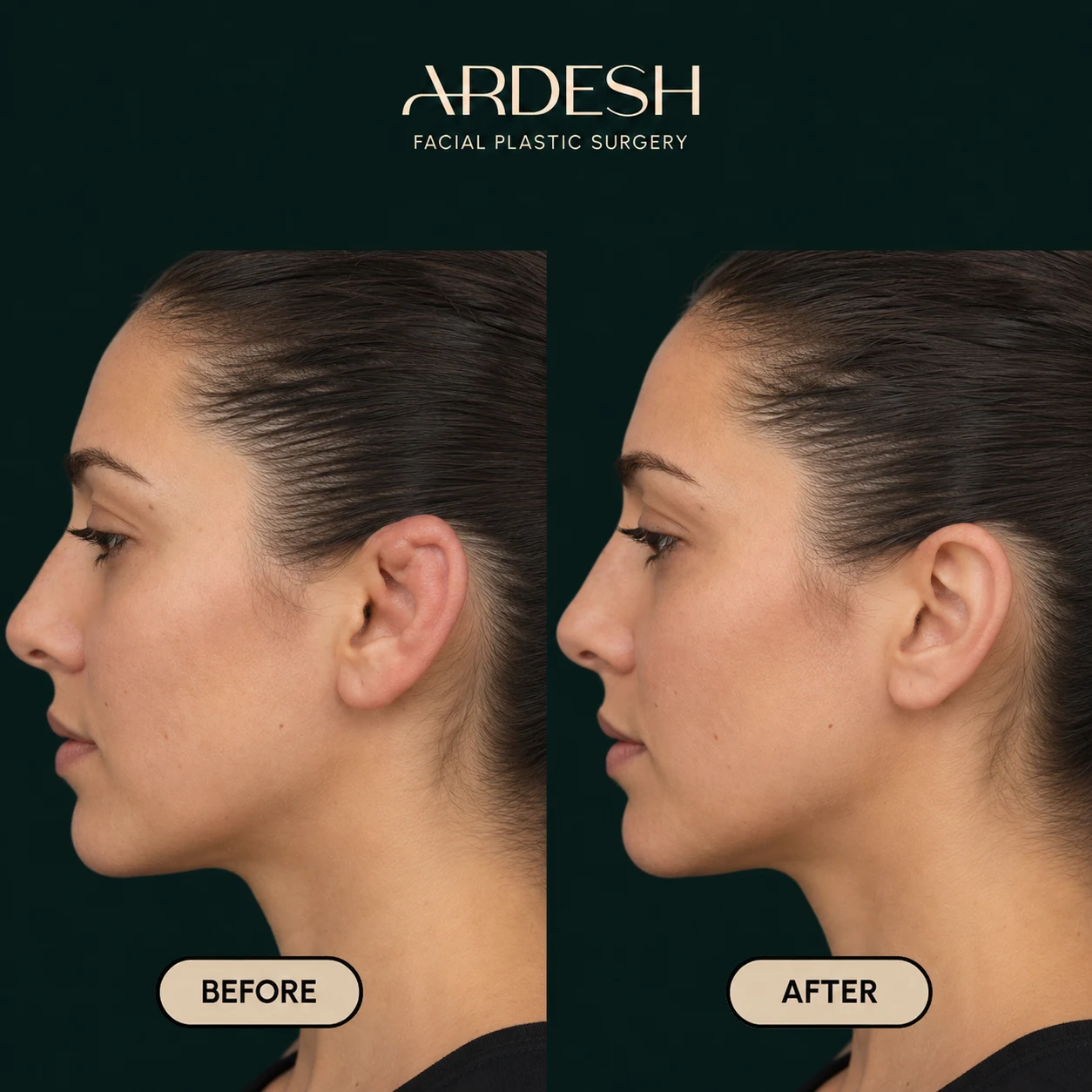
Established Cauliflower Ear
When the deformity has been present for longer, treatment may need to focus on the cartilage and scar tissue that have already changed.
Depending on the case, treatment can include:
- Removal of abnormal or calcified tissue
- Cartilage reshaping
- Scar revision
- Reconstruction of damaged cartilage
- Restoration of a more natural ear contour
These treatment options are based on the age and severity of the deformity.
Can Severe Cauliflower Ear Be Reconstructed?
Yes, depending on the extent of the damage.
The ear has a complex three-dimensional shape made up of skin, cartilage, curves, and folds. When trauma destroys or distorts that structure, treatment may require more than simple reshaping.
In more advanced cases, reconstruction may involve techniques such as:
- Local tissue rearrangement
- Cartilage reconstruction
- Skin coverage
- Staged reconstruction
The aim is not simply to make the ear look smaller or smoother.
The goal is to rebuild a more natural contour while preserving symmetry, proportion, and structural support.
Why Repeated Trauma Makes It Worse
Athletes often continue training after an ear injury.
That can make the problem more complicated.
Repeated blows or friction can cause:
- More bleeding
- More swelling
- Additional cartilage damage
- Further distortion of the ear
If the ear is injured again before it has healed, the deformity can become more difficult to correct.
For contact-sport athletes, early assessment can make a meaningful difference.
When Should You Get the Ear Checked?
Consider an evaluation if you notice:
- New swelling after ear trauma
- A soft or fluid-filled area
- Increasing firmness
- Progressive thickening
- Loss of the normal ear contour
- Persistent deformity after swelling decreases
- An old cauliflower ear that you want corrected
The sooner the ear is assessed, the easier it is to determine whether the problem is still an acute hematoma or has already become a permanent structural change.
What If the Ear Is Already Permanently Deformed?
An old cauliflower ear does not automatically mean nothing can be done.
The next step is to evaluate what has changed.
A surgeon may look at:
- Cartilage damage
- Scar tissue
- Skin quality
- Degree of deformity
- Available healthy tissue
- Overall ear symmetry
Dr. Farhad Ardesh treats ear deformities with an approach based on the individual structure of the ear rather than a one-size-fits-all technique.
For patients considering cauliflower ear treatment in Beverly Hills, treatment may involve reshaping, scar revision, removal of abnormal tissue, or reconstructive techniques depending on how much damage has occurred.
The right approach depends on whether the problem is still recent or has already become a long-standing deformity.
Schedule a consultation with Dr. Ardesh to have a recent ear injury or established cauliflower ear properly evaluated.