Rhinoplasty: Transforming Your Nose, Transforming Your Life
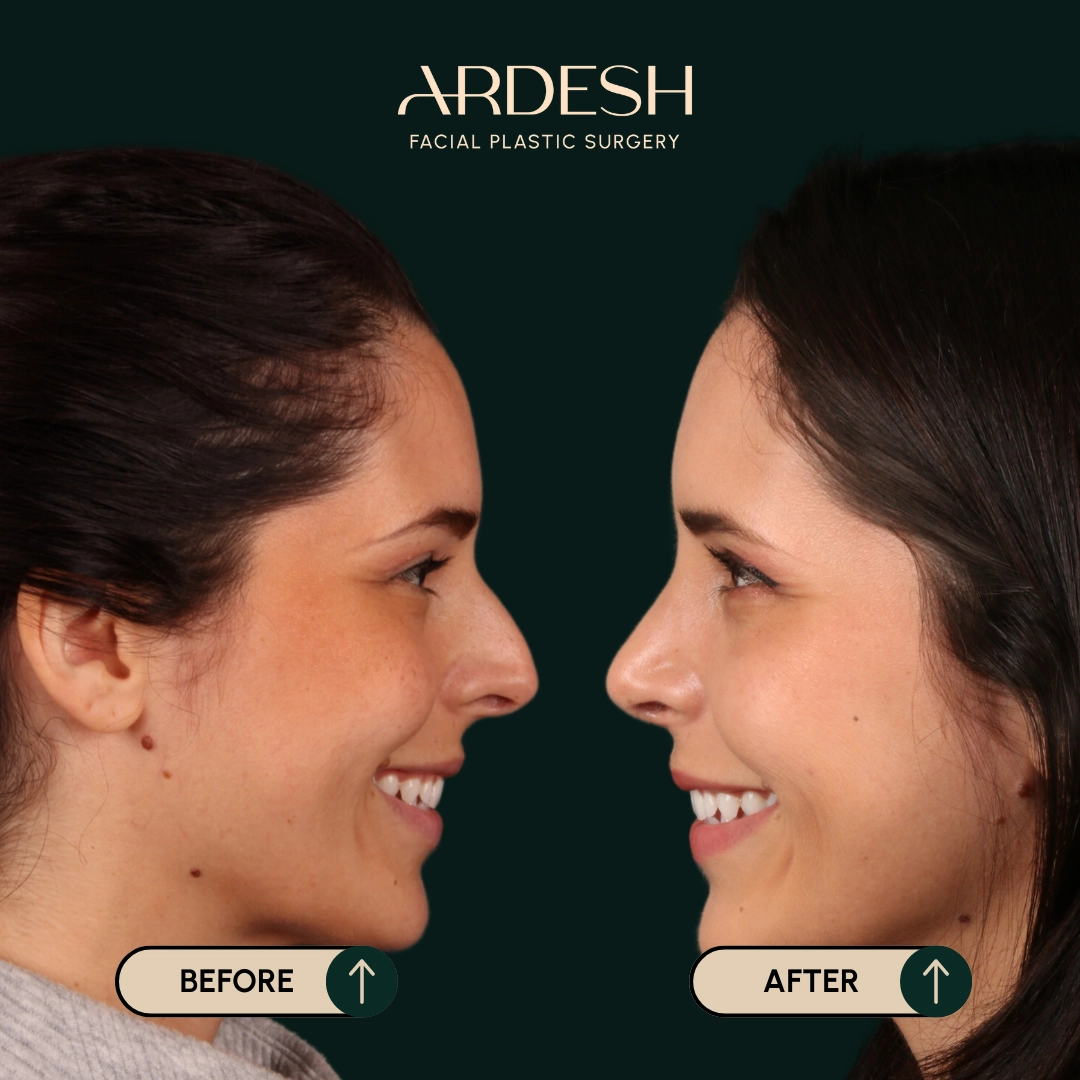
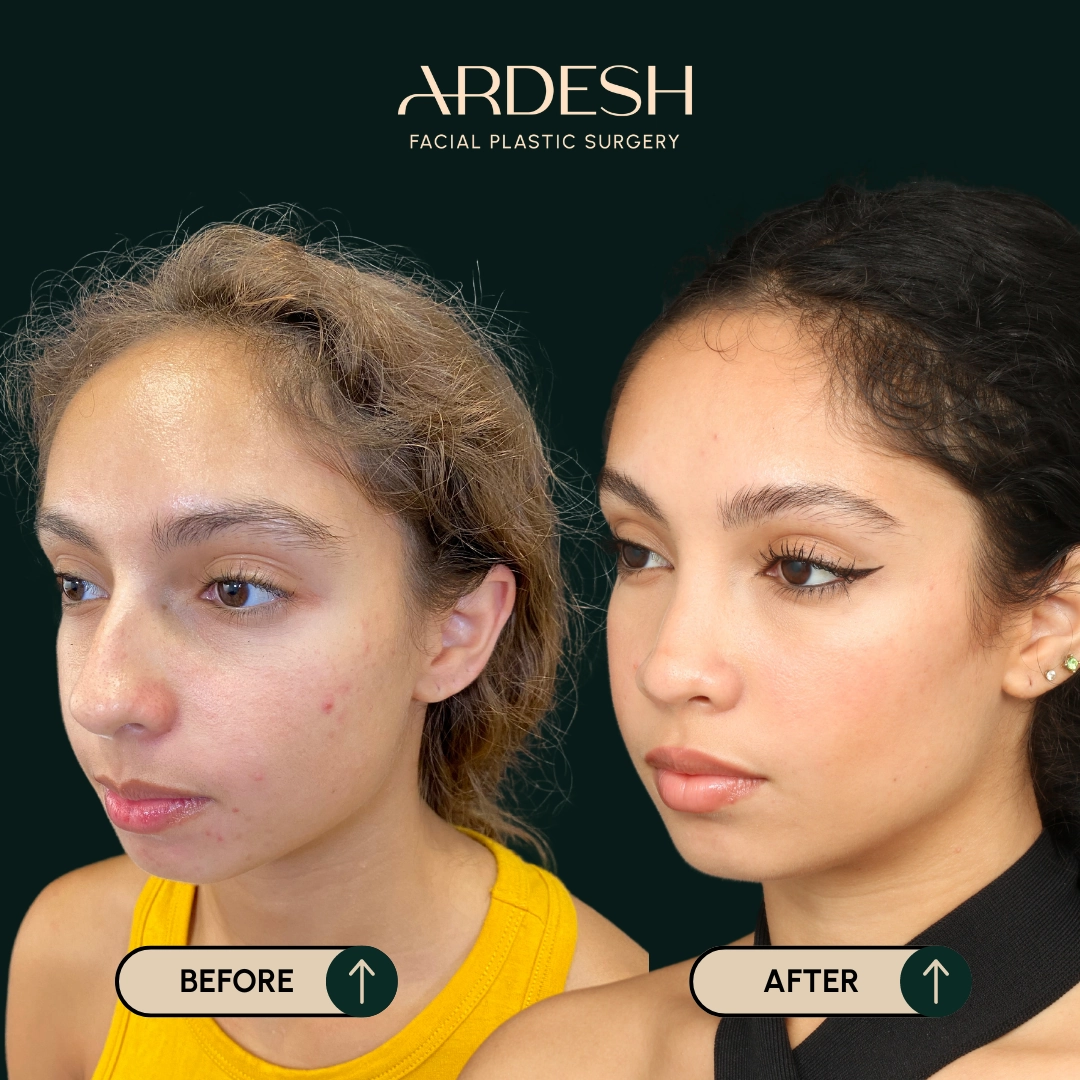
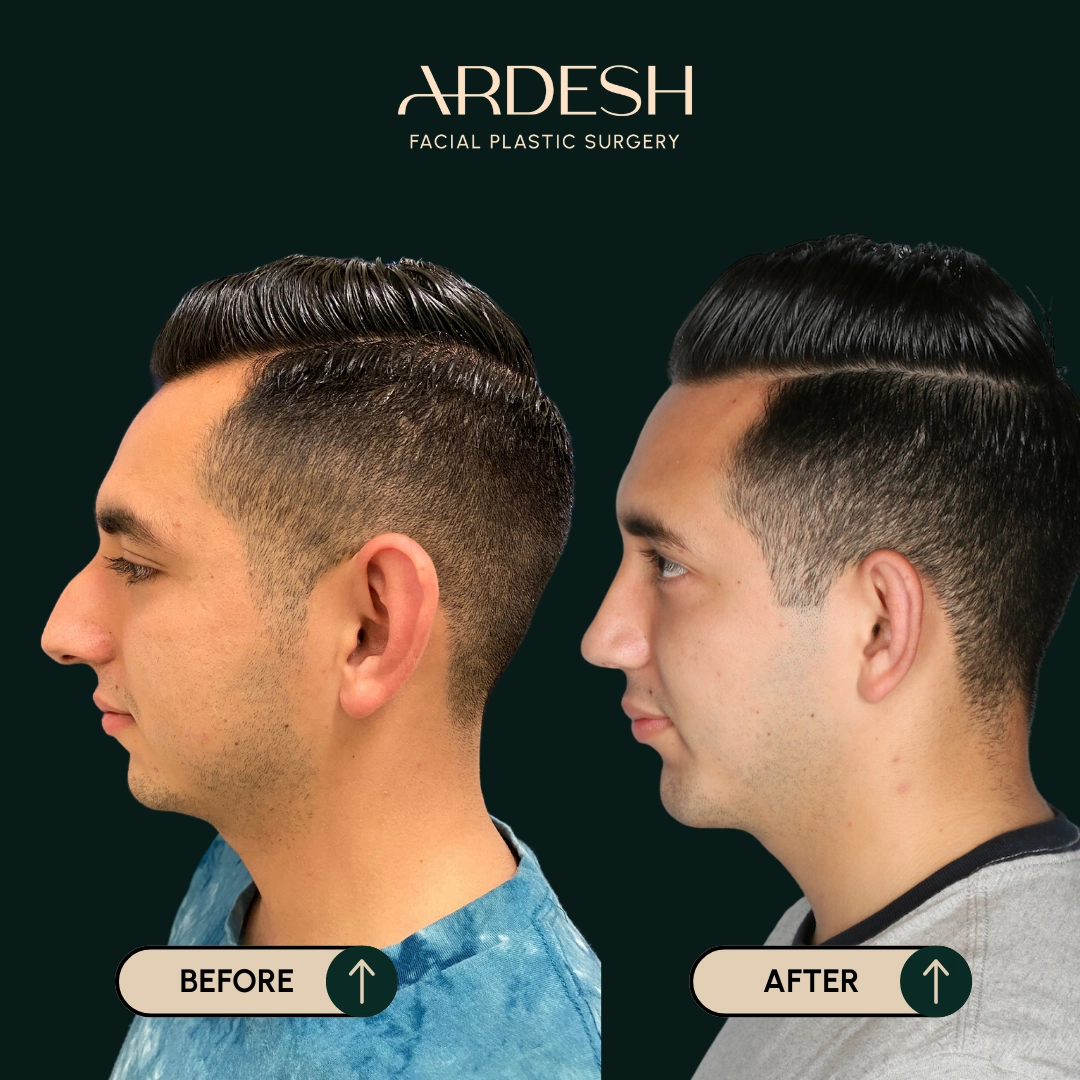
Real Patients.
Real Transformations.
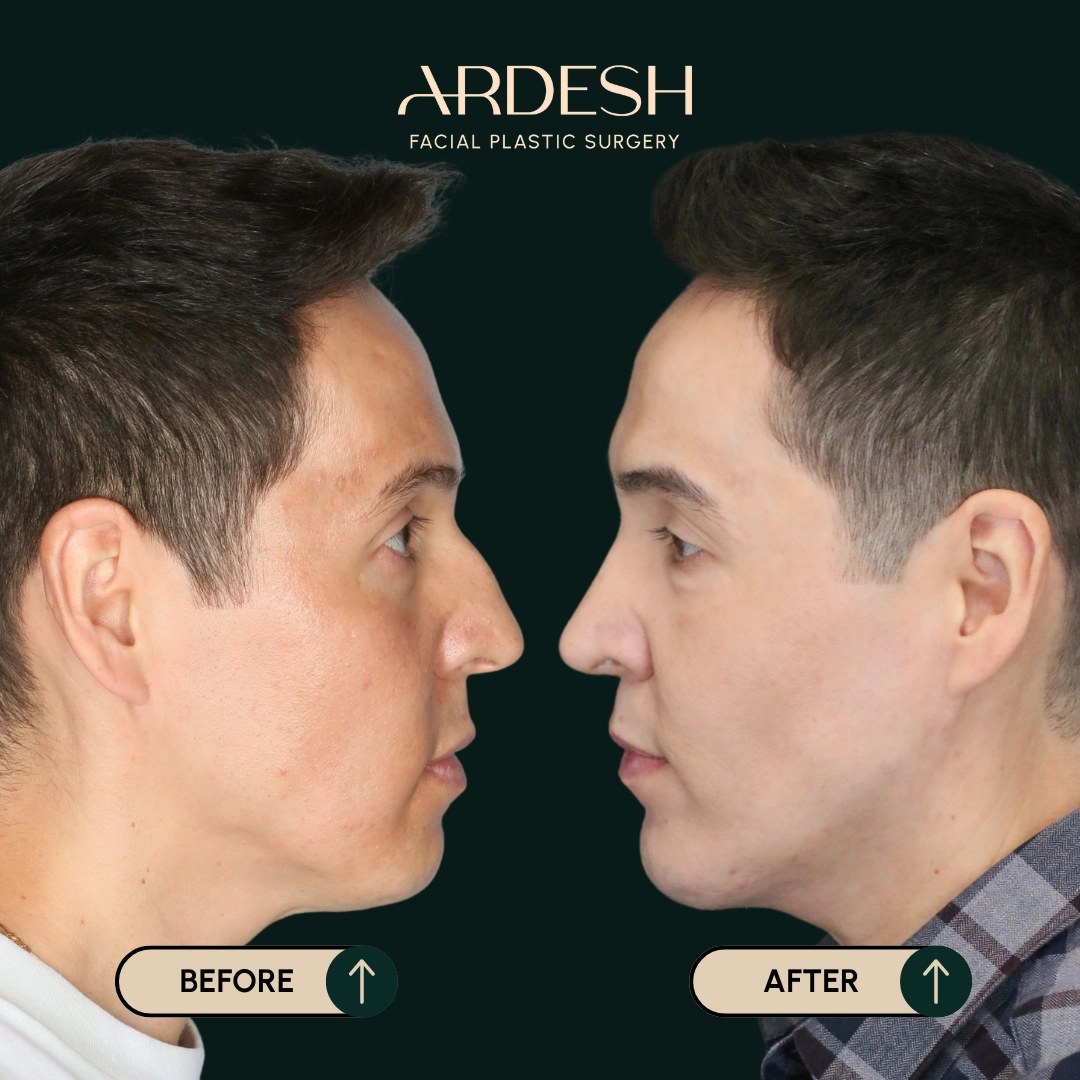
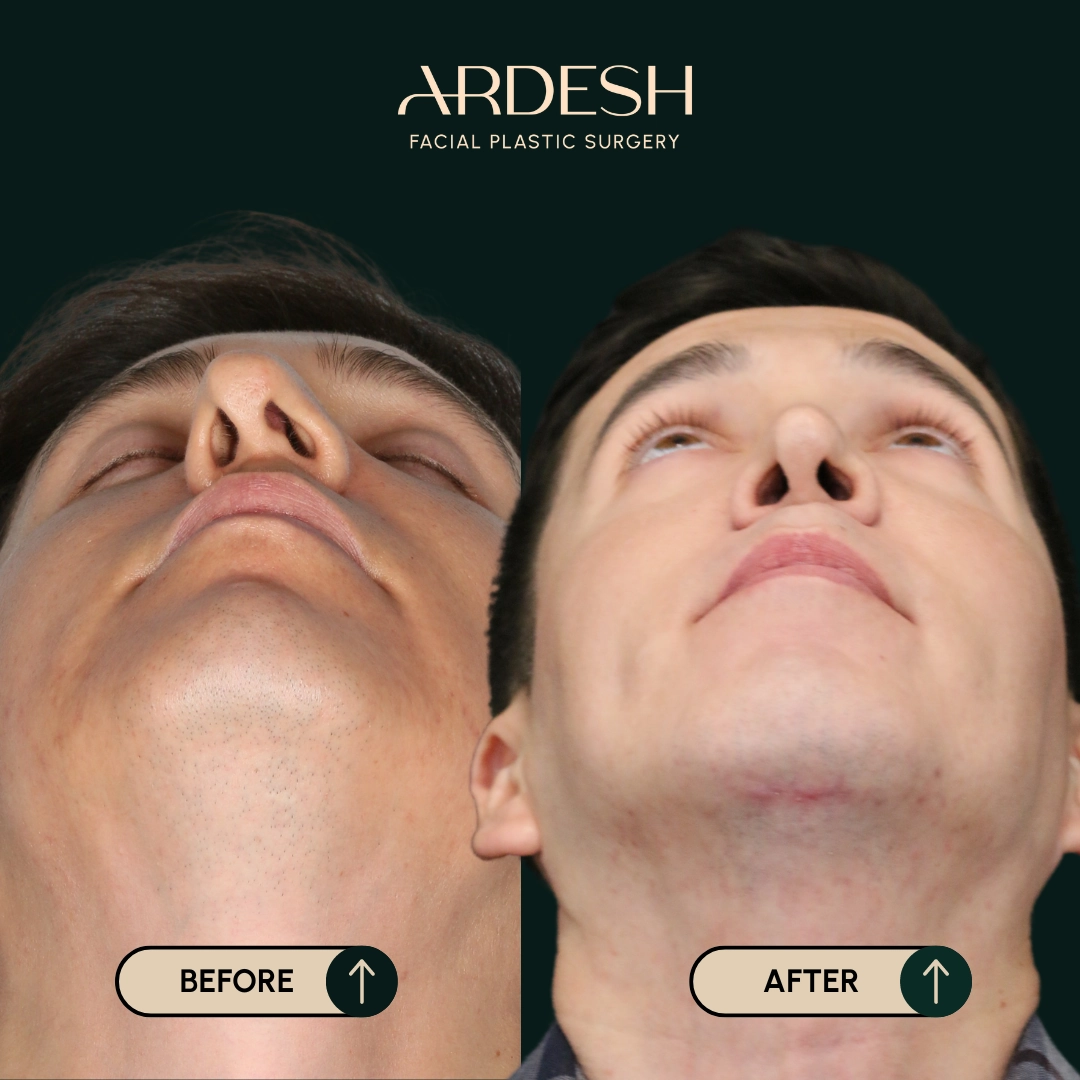
Meet Dr. Ardesh: Your Trusted Doctor for Rhinoplasty
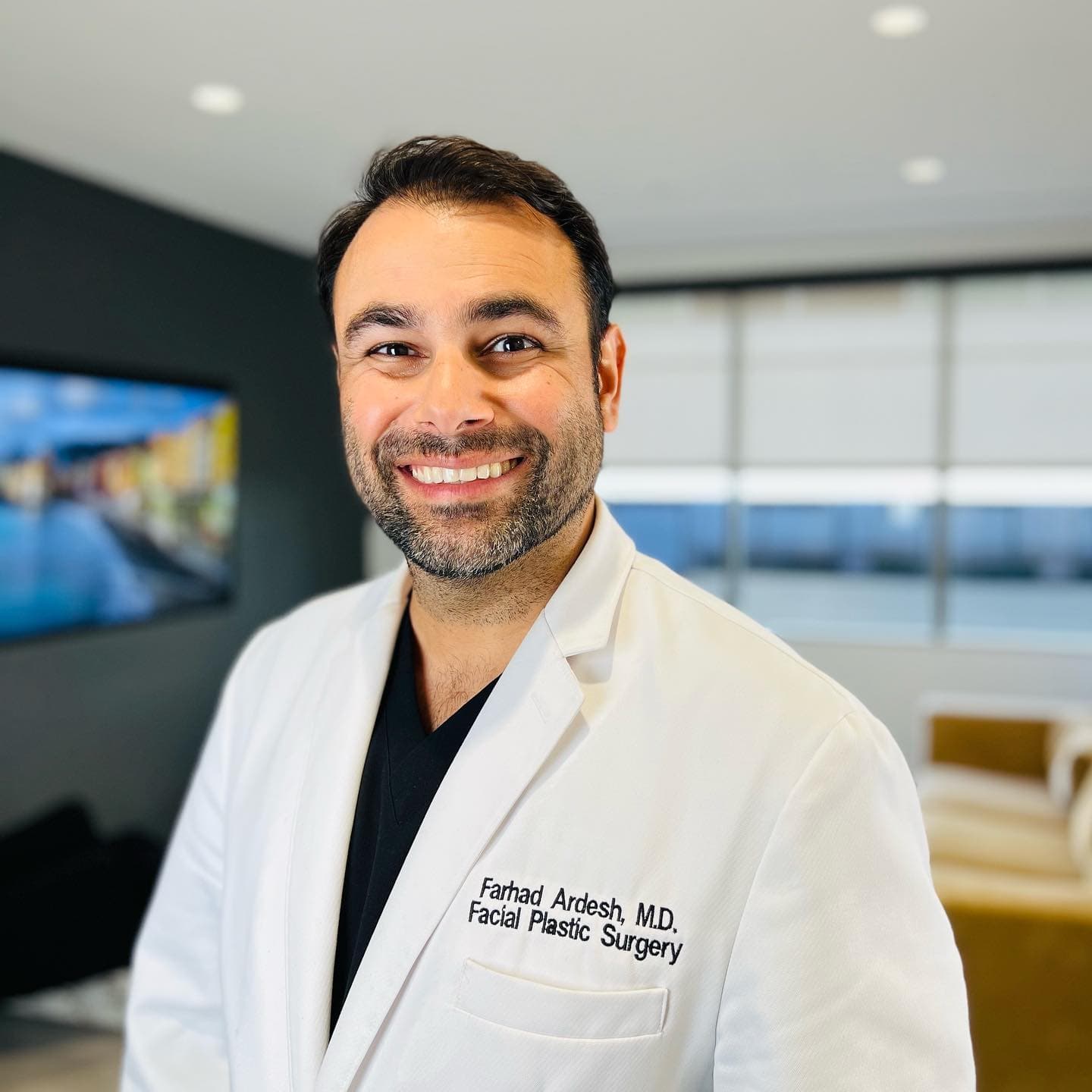
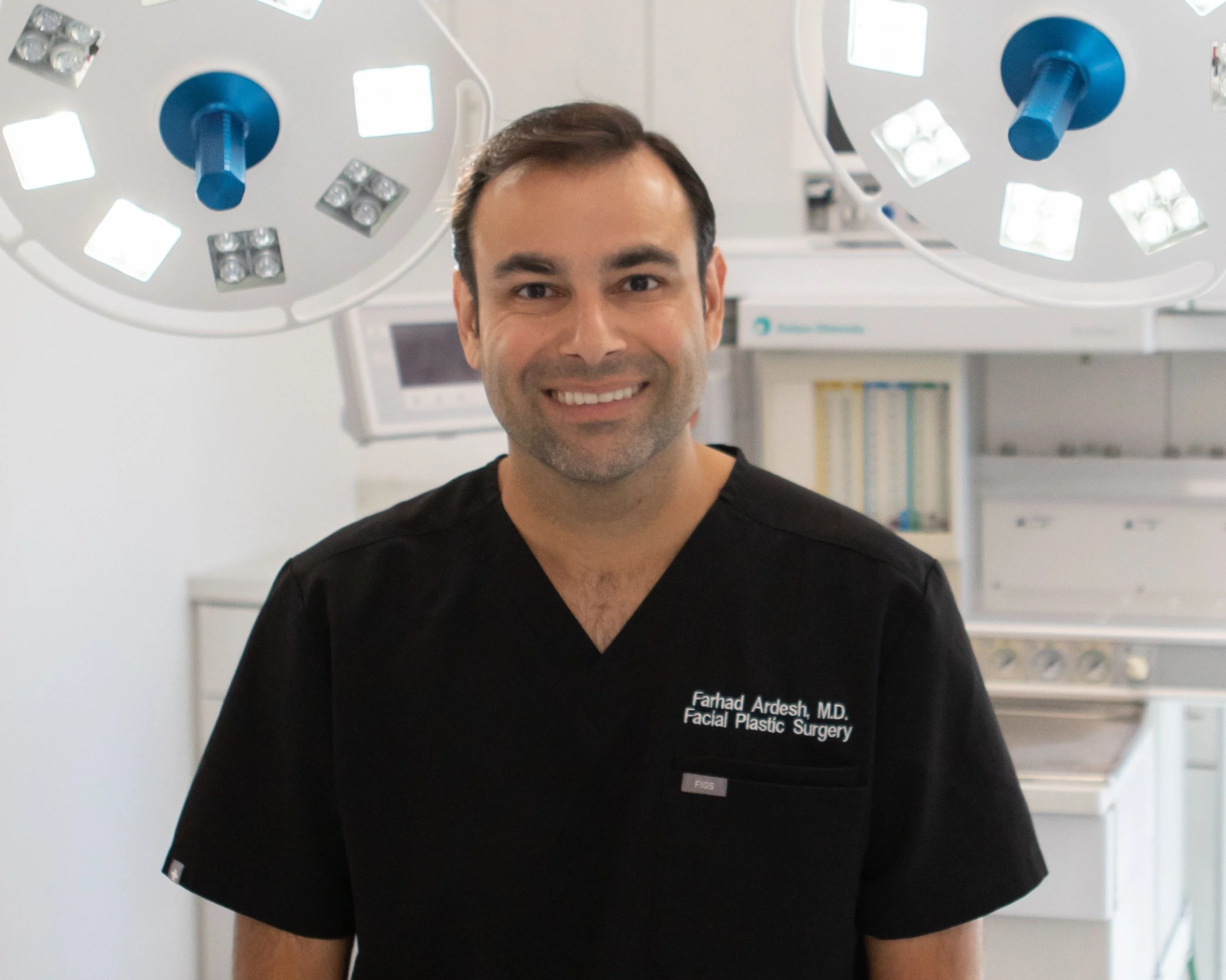
Dr. Ardesh is a double board-certified facial plastic surgeon specializing in rhinoplasty and nasal surgery. With years of experience and a deep understanding of facial anatomy, Dr. Ardesh offers a meticulous and personalized approach to rhinoplasty, ensuring optimal results for each patient. His expertise in reshaping nasal bones, cartilage, and tissues means that whether you’re seeking aesthetic changes or improved breathing, you're in expert hands.
Why You Should Consider A Rhinoplasty
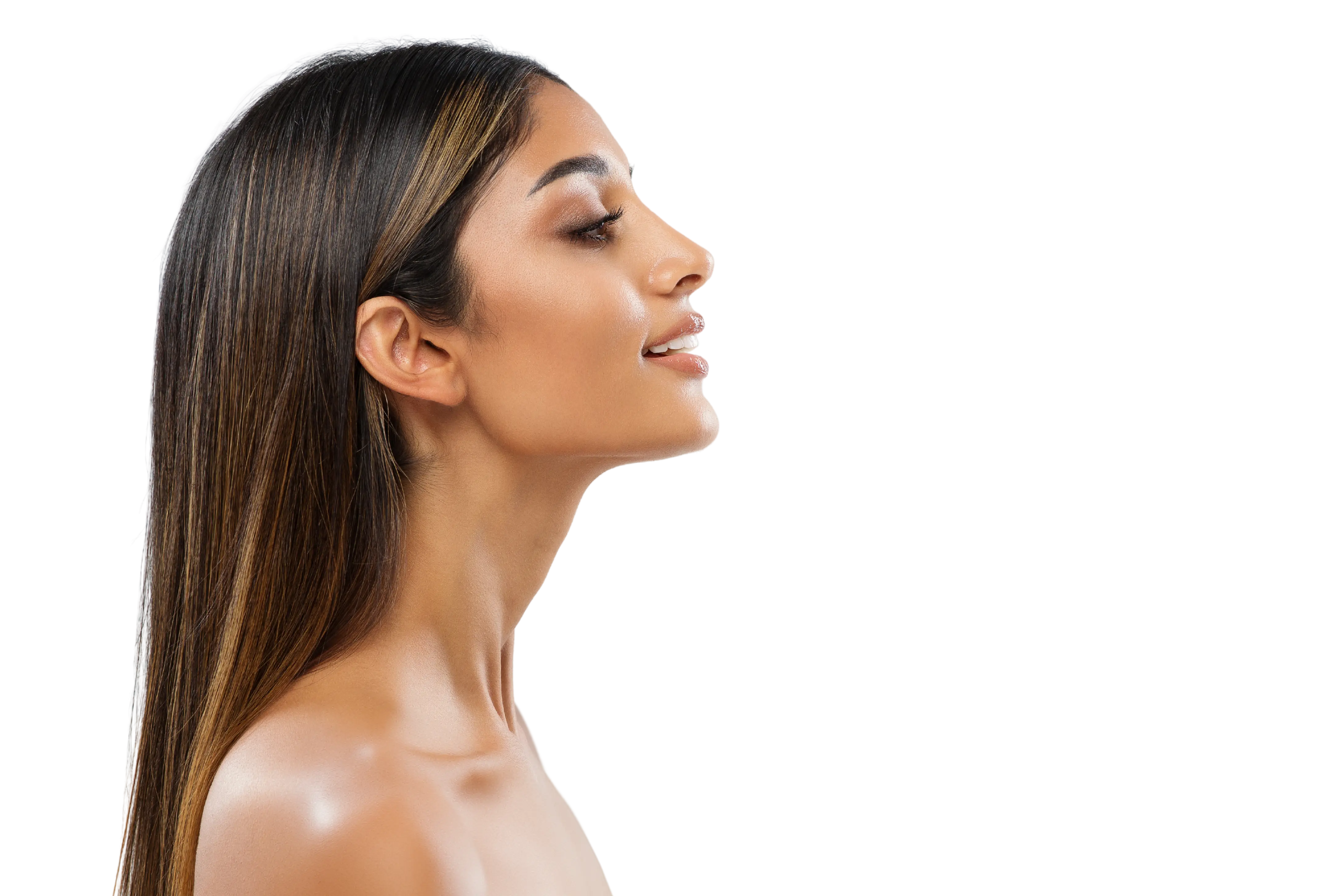
Rhinoplasty is one of the most popular cosmetic surgeries, and for good reason. It addresses a variety of concerns, from medical issues like breathing difficulties to cosmetic desires such as refining the shape and size of the nose. Dr. Ardesh performs rhinoplasty to:
- Correct a deviated nasal septum, improving nasal airway function
- Modify the size and shape of the nose, including the nasal bridge and nostrils.
- Repair injuries or trauma to the nose.
- Remove a dorsal hump or reduce excessive cartilage.
- Achieve facial symmetry and balance
- Restore proper nasal function after previous surgeries (revision rhinoplasty).
Benefits of Rhinoplasty
Correcting structural issues such as a deviated septum improves airflow and nasal function.
A well-proportioned nose can enhance harmony between facial features, boosting confidence.
Once healed, rhinoplasty results are permanent and provide a lasting enhancement.
Rhinoplasty can restore both the form and function of the nose following trauma or injury.
Cosmetic Rhinoplasty Procedures
Primary Rhinoplasty
Primary rhinoplasty is performed on patients undergoing nose surgery for the first time. The procedure can improve concerns such as a dorsal hump, nasal width, tip shape, asymmetry, projection, or overall facial balance while preserving the structural integrity and function of the nose. Every primary rhinoplasty procedure is carefully customised to enhance the patient's natural features and achieve balanced, harmonious results.
Revision Rhinoplasty
Revision rhinoplasty, also known as secondary rhinoplasty, is performed to improve the appearance or function of a nose that has previously undergone surgery. These procedures are often more complex due to scar tissue, altered anatomy, or reduced structural support. Using advanced surgical techniques and meticulous planning, the goal is to restore both nasal function and aesthetics while addressing the patient's unique concerns.
Non-Surgical Rhinoplasty
Non-surgical rhinoplasty, also known as a liquid nose job, is a minimally invasive procedure that uses dermal fillers to temporarily improve the shape and contour of the nose without surgery. It can be used to smooth the appearance of a dorsal hump, enhance the nasal bridge, improve tip definition, or correct minor asymmetries, creating a more balanced facial profile. The procedure is performed in the clinic with little to no downtime, and results are visible immediately. While non-surgical rhinoplasty can provide noticeable cosmetic improvements, it cannot reduce the size of the nose or correct functional concerns, such as a deviated septum or breathing difficulties. A consultation is essential to determine whether non-surgical rhinoplasty or surgical rhinoplasty is the most suitable option based on your anatomy and aesthetic goals.
Types of Rhinoplasty
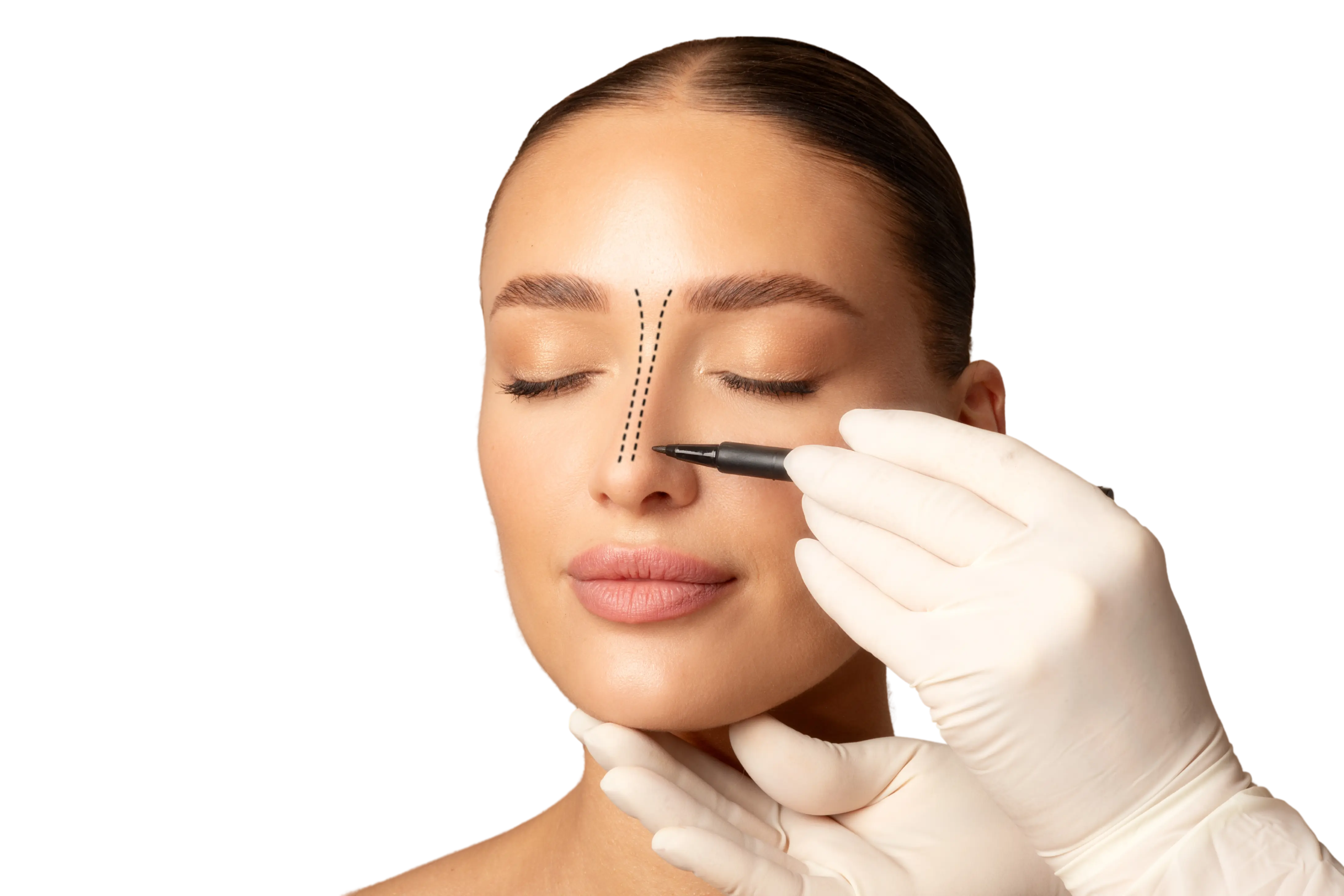
Open rhinoplasty involves a small incision across the columella, the strip of tissue between the nostrils to provide a clear view of the underlying nasal structures. This technique allows for greater surgical precision and is commonly recommended for complex rhinoplasty, revision rhinoplasty, structural nasal corrections, or procedures that require significant functional improvement. Although it involves a small external incision, the scar typically heals well and becomes barely noticeable over time.
Closed rhinoplasty, also known as endonasal rhinoplasty, is performed entirely through incisions inside the nostrils, leaving no visible external scar. This technique is ideal for selected patients requiring less extensive nose reshaping and cosmetic refinements. With no external incision, it may result in reduced swelling and a quicker initial recovery while maintaining the natural support and structure of the nose.
A Non-Surgical Rhinoplasty provides a needle-based enhancement that improves nasal shape and symmetry without incisions or downtime, an ideal choice for subtle, refined results.
Advance Rhinoplasty Techniques
Correcting structural issues such as a deviated septum improves airflow and nasal function.
A well-proportioned nose can enhance harmony between facial features, boosting confidence.
Once healed, rhinoplasty results are permanent and provide a lasting enhancement.
Rhinoplasty can restore both the form and function of the nose following trauma or injury.

What to Expect with Your Rhinoplasty Treatment
The Consultation
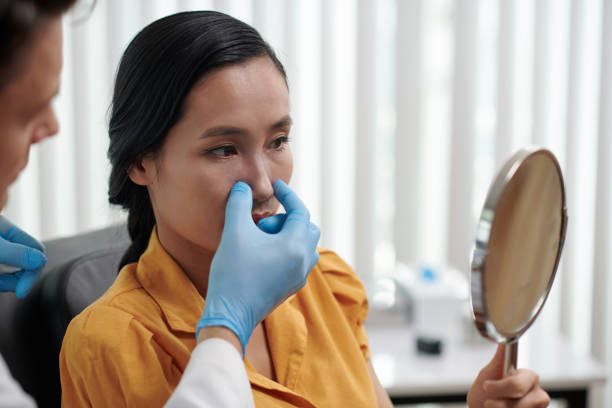
Your journey begins with an in-depth consultation with Dr. Ardesh. During this session, he will evaluate your nose’s form and function, listen to your goals, and discuss potential outcomes. You’ll receive a detailed explanation of the recommended surgical approach (whether open or closed rhinoplasty) and what to expect in terms of recovery and results.
The Procedure
Rhinoplasty is typically performed as an outpatient procedure under general anesthesia. The surgery can take anywhere from 1.5 to 3 hours, depending on the complexity. Dr. Ardesh will carefully sculpt the nasal bones and cartilage to achieve the desired shape, making adjustments to improve both aesthetics and nasal function. After the surgery, the nose is bandaged and protected with a splint, which helps with healing and maintaining the new shape.
Post-Op Care
In the initial days after surgery, you can expect some swelling, bruising, and minor discomfort, especially around the eyes and nose. It’s important to keep your head elevated and avoid strenuous activities for several weeks to promote healing. Dr. Ardesh will provide detailed post-operative instructions to ensure a smooth recovery. Follow-up appointments will be scheduled to monitor your progress.
Functional Nasal Surgery
Open rhinoplasty involves a small incision across the columella, the strip of tissue between the nostrils to provide a clear view of the underlying nasal structures. This technique allows for greater surgical precision and is commonly recommended for complex rhinoplasty, revision rhinoplasty, structural nasal corrections, or procedures that require significant functional improvement. Although it involves a small external incision, the scar typically heals well and becomes barely noticeable over time.
Closed rhinoplasty, also known as endonasal rhinoplasty, is performed entirely through incisions inside the nostrils, leaving no visible external scar. This technique is ideal for selected patients requiring less extensive nose reshaping and cosmetic refinements. With no external incision, it may result in reduced swelling and a quicker initial recovery while maintaining the natural support and structure of the nose.
A Non-Surgical Rhinoplasty provides a needle-based enhancement that improves nasal shape and symmetry without incisions or downtime, an ideal choice for subtle, refined results.
Healing Stages and Recovery
After a rhinoplasty, it is common to experience some swelling, pain and discomfort for several weeks. Here's what to expect during recovery:
- First Week: The nasal splint is removed, and initial bruising and swelling begin to subside. Most patients return to work or normal activities within 7 to 10 days.
- 1-2 Months: The majority of the swelling resolves, and the nose begins to take its new shape.
- 1 Year: Final results are fully visible as residual swelling dissipates and the nose settles into its permanent shape
Why Choose Dr. Ardesh for Rhinoplasty?
As a double board-certified facial plastic surgeon, Dr. Ardesh combines advanced surgical expertise with a deep understanding of facial aesthetics and nasal function. His practice is dedicated exclusively to facial plastic surgery, allowing him to deliver highly personalised treatment plans tailored to each patient's unique anatomy and goals.
Successful rhinoplasty requires both technical precision and artistic judgment. Every surgical decision influences not only the appearance of the nose but also its relationship to the eyes, lips, chin, and overall facial balance. With a conservative, detail-oriented approach, Dr. Ardesh focuses on creating natural-looking results that enhance facial harmony while preserving nasal function and each patient's individual identity.
Schedule Your Consultation with Dr. Ardesh
If you’re considering rhinoplasty for either cosmetic or functional reasons, schedule a consultation with Dr. Ardesh today. His extensive expertise and patient-focused approach ensure that each procedure is tailored to your unique needs, delivering beautiful, natural-looking results that enhance both form and function.