Skin concerns vary widely across individuals, especially in diverse regions like Southern California. Mole removal in Los Angeles is a frequently searched topic by people of different skin tones who want to understand how their skin type may influence evaluation, treatment, and healing. While mole removal follows core medical principles, skin tone, pigmentation, and sun exposure play an important role in how moles are assessed and managed.
Understanding How Skin Type Affects Mole Evaluation
Skin type refers not only to color but also to how skin reacts to sun exposure, injury, and healing. Dermatologists often use the Fitzpatrick skin type scale, which ranges from very fair skin that burns easily to deeply pigmented skin that rarely burns. In California, where year-round sun exposure is common, this classification helps medical professionals assess risk factors related to mole changes.
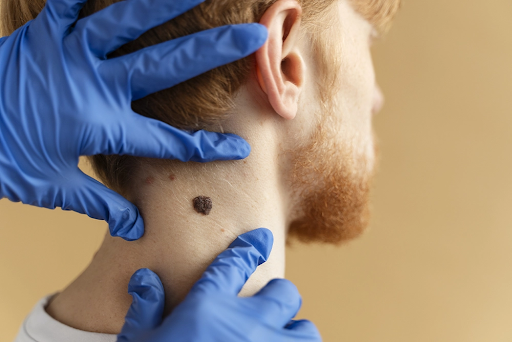
Regardless of skin tone, all moles should be evaluated for medical indicators before considering removal. Changes in size, color, shape, texture, or sensation may require further assessment. Skin cancer screening in California is especially important due to higher UV exposure, even for individuals with darker skin tones.
Mole Removal for Lighter Skin Types
Individuals with lighter skin may develop moles more frequently due to sun sensitivity. These moles are often easier to visually assess, but they may also be more susceptible to UV-related changes. Dermatologist mole removal in Los Angeles for lighter skin often includes careful monitoring of pigmentation changes and sun-related damage.
After removal, lighter skin may heal with temporary redness or pink discoloration. Sun protection plays a significant role in minimizing visible changes during the healing phase, especially for facial mole removal in California.
Mole Removal for Medium to Olive Skin Tones
Medium and olive skin tones often have a balance of melanin that offers some natural UV protection while still being vulnerable to pigmentation changes. Individuals with these skin types may seek cosmetic mole removal in Los Angeles for aesthetic reasons, particularly when moles are located on visible areas like the face or neck.
Post-removal, there may be a higher likelihood of temporary pigmentation changes. Licensed medical professionals in Los Angeles typically factor in healing patterns and skin response when discussing mole removal options for these skin types.
Mole Removal for Skin of Color
Skin of color includes individuals with deeper pigmentation, such as those of African, Hispanic, South Asian, Middle Eastern, or East Asian descent. While skin cancer risk is statistically lower, it is often diagnosed later in individuals with darker skin tones, making professional evaluation essential.
Moles on darker skin can sometimes appear differently, which may delay recognition of concerning changes. A dermatologist's evaluation prior to mole removal is critical to ensure medical indications are not overlooked. Cosmetic mole removal Los Angeles searches often reflect growing awareness among individuals with skin of color about safe and informed treatment options.
One key consideration for skin of color is the risk of post-inflammatory hyperpigmentation or hypopigmentation. This does not mean mole removal is unsafe; rather, it highlights the importance of individualized assessment and medically appropriate techniques.
Sun Exposure and California Climate
Los Angeles experiences high UV levels throughout the year, affecting all skin types. Chronic sun exposure can influence mole development and changes over time. Dermatologists often recommend regular skin checks, especially for individuals who spend significant time outdoors or have a history of sun exposure.
Sun protection measures, such as protective clothing and sunscreen, are commonly discussed as part of mole management, regardless of whether removal is being considered.
Medical vs Cosmetic Considerations Across Skin Types
Whether mole removal is performed for medical or cosmetic reasons, California medical guidelines require proper evaluation before any procedure. Medical mole removal is focused on diagnosis and health, while cosmetic mole removal addresses appearance without compromising safety.
Licensed dermatologists in Los Angeles are trained to assess how skin type may affect both the procedure and the healing process. This ensures that mole removal decisions are based on medical appropriateness rather than appearance alone.
Is Mole Removal the Same for Everyone?
No two individuals have identical skin, and mole removal is not a one-size-fits-all process. Factors such as skin tone, mole location, sun exposure, and personal medical history all influence how removal is approached. Understanding these differences helps individuals set realistic expectations and prioritize skin health.
Making an Informed Choice
Choosing mole removal involves more than appearance—it requires understanding how skin type influences evaluation and healing. Consulting a licensed dermatologist in Los Angeles ensures that mole removal, when appropriate, follows California medical standards and supports long-term skin health through informed care.
Meet Dr.Ardesh
Dr Ardesh, Beauty Mark MD, a double board-certified facial plastic and reconstructive surgeon, has delivered over 7,000 natural results with expertise and empathy. He formerly served as a college professor in the departments of head and neck surgery, ophthalmology, and dermatology at Loma Linda University, after which he established his private practice. Creating a refreshed look, not “worked on,” has established him as one of the best plastic surgeons in Beverly Hills and Newport Beach.