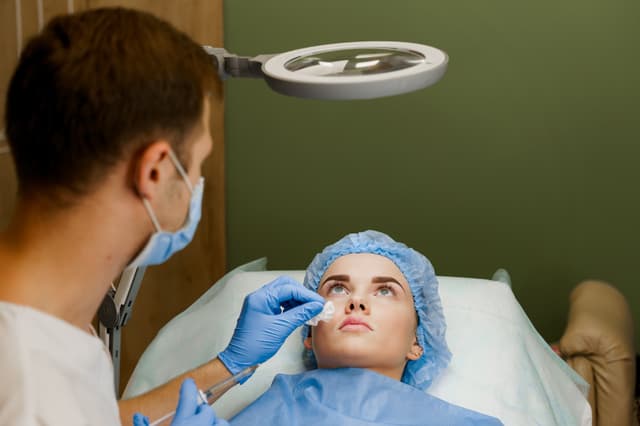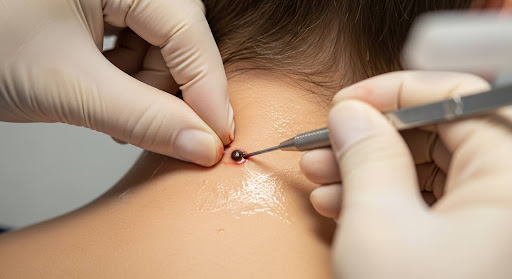
Mole removal is a common cosmetic and medical procedure that many people seek out for various reasons. Whether it's to remove a bothersome mole, enhance appearance, or ensure the mole is not a health risk, the procedure can be highly beneficial. In Los Angeles, a city renowned for its focus on beauty and health, people often turn to professional treatments to ensure optimal results.
But with multiple options for mole removal, it can be difficult to decide which method is right for you. In this blog, we’ll walk you through the different mole removal methods available in Los Angeles, helping you understand their benefits and the factors you should consider before making a decision.
Why Do People Get Moles Removed?
Before diving into the methods, it's important to understand why people seek mole removal in the first place. There are two primary reasons people consider removing moles:
- Cosmetic Reasons: Moles, especially those located on the face or other visible areas, can affect one's appearance and self-confidence. Many people choose mole removal as part of their aesthetic treatments to enhance their looks.
- Health Reasons: Some moles may be at risk of developing into skin cancer, particularly melanoma. Dermatologists often recommend mole removal if they suspect a mole could be cancerous. Even benign moles may be removed if they cause discomfort or irritation.
With that in mind, let's explore the various mole removal methods available in Los Angeles.
Common Mole Removal Methods in Los Angeles
- Surgical Excision
Surgical excision is one of the most widely used methods for mole removal. During this procedure, a skilled dermatologist or plastic surgeon will cut out the mole along with a margin of healthy tissue surrounding it to ensure complete removal. The procedure is typically performed under local anesthesia, so the patient feels little to no pain. Afterward, the area is stitched closed, and patients may need to follow post-procedure care to prevent infection.
Benefits: - Ideal for larger moles or those with irregular borders.
- Provides tissue samples that can be sent for biopsy, making it the best option for moles that are suspected to be cancerous.
- Permanent results, as the mole is completely excised.
- Downside:
- Can leave a small scar, especially if the mole is large.
- Requires some recovery time, with stitches that need to be removed after a few days.
- Shave Removal
Shave removal is a quicker and less invasive method compared to surgical excision. In this technique, the mole is shaved off using a small scalpel. This method is often used for smaller, non-cancerous moles that are raised above the skin’s surface.
Benefits: - Minimal scarring, as the mole is removed at the skin level.
- Faster recovery time, with no need for stitches.
- Typically less expensive than excision.
- Downside:
- This method is not suitable for deeper or more suspicious moles, as it does not remove tissue beneath the skin’s surface.
- There’s a possibility of the mole regrowing if not fully removed.
- Laser Removal
Laser mole removal uses focused light energy to break down the pigment in the mole. This treatment is typically used for smaller, benign moles and is a non-invasive procedure. Laser treatment can target the mole precisely, without affecting the surrounding tissue.
Benefits: - Quick procedure with minimal downtime.
- No incisions or stitches required.
- Ideal for smaller moles, particularly those on the face or other delicate areas.
- Downside:
- Not suitable for moles that are deep or have irregular shapes.
- Multiple sessions may be required for complete removal, depending on the size and depth of the mole.
- Cryotherapy (Freezing)
Cryotherapy involves freezing the mole with liquid nitrogen, which causes the cells in the mole to break down and fall off over time. This method is less common but can be effective for smaller, benign moles.
Benefits: - Minimal scarring.
- Quick and relatively simple procedure.
- Non-invasive with no need for stitches.
- Downside:
- May require multiple treatments.
- Not ideal for moles that are deep or large.
- There’s a chance the mole could regrow if it was not completely treated.
- Electrosurgery (Cauterization)
Electrosurgery uses high-frequency electrical currents to burn and remove the mole. This method is often used for moles that are raised above the skin’s surface.
Benefits: - Ideal for small, raised moles.
- Minimal bleeding during the procedure.
- Quick recovery time.
- Downside:
- Potential for scarring, particularly if the mole was large.
- May not be suitable for deeper moles or those with potential health risks.
Which Mole Removal Method is Right for You?
When deciding which mole removal method is best for your needs, it’s crucial to consult with a board-certified dermatologist or plastic surgeon. They will assess the mole’s size, type, and location, and recommend the most suitable method based on your goals and health needs.
If you're seeking mole removal for cosmetic purposes, options like laser treatment or shave removal may be ideal for smaller moles with minimal scarring. However, if you have concerns about the mole’s health or it appears suspicious, surgical excision with a biopsy is typically the most thorough and reliable option.
What to Expect After Mole Removal
The recovery process after mole removal varies depending on the method used:
- Surgical excision: Expect some swelling and discomfort, and follow post-care instructions carefully to avoid infection. Stitches may need to be removed in a week or two.
- Shave removal: Recovery is usually quick, with minor scarring. The mole may take a few weeks to fully heal.
- Laser removal: Most people experience minimal downtime, and the treated area may scab over for a few days.
- Cryotherapy: The treated area may blister or scab over, and healing usually occurs within a few weeks.
- Electrosurgery: Some redness and swelling are normal, but healing time is generally quick.
Final Thoughts on Mole Removal in Los Angeles
No matter your reason for seeking mole removal, Los Angeles offers a wide range of skilled professionals who specialize in different methods of mole removal. Whether you choose surgical excision, laser treatment, or another technique, it's important to prioritize safety and choose a trusted expert to ensure the best possible results.
Meet Dr. Ardesh
Dr. Ardesh, Beauty Mark MD, is a double board-certified facial plastic and reconstructive surgeon who has helped thousands of patients achieve natural, beautiful results. With extensive training in head and neck surgery, ophthalmology, and dermatology, Dr. Ardesh’s background as a former college professor at Loma Linda University lends an added level of expertise to his private practice. Known for delivering refreshed looks, not “worked-on” appearances, Dr. Ardesh is regarded as one of the top plastic surgeons in Beverly Hills and Newport Beach.