
Treatment
Shave Moleplasty™
Mole Removal • Transformation Story
A 6-month transformation focused on flattening selected raised facial moles while preserving smooth, natural-looking skin contour.
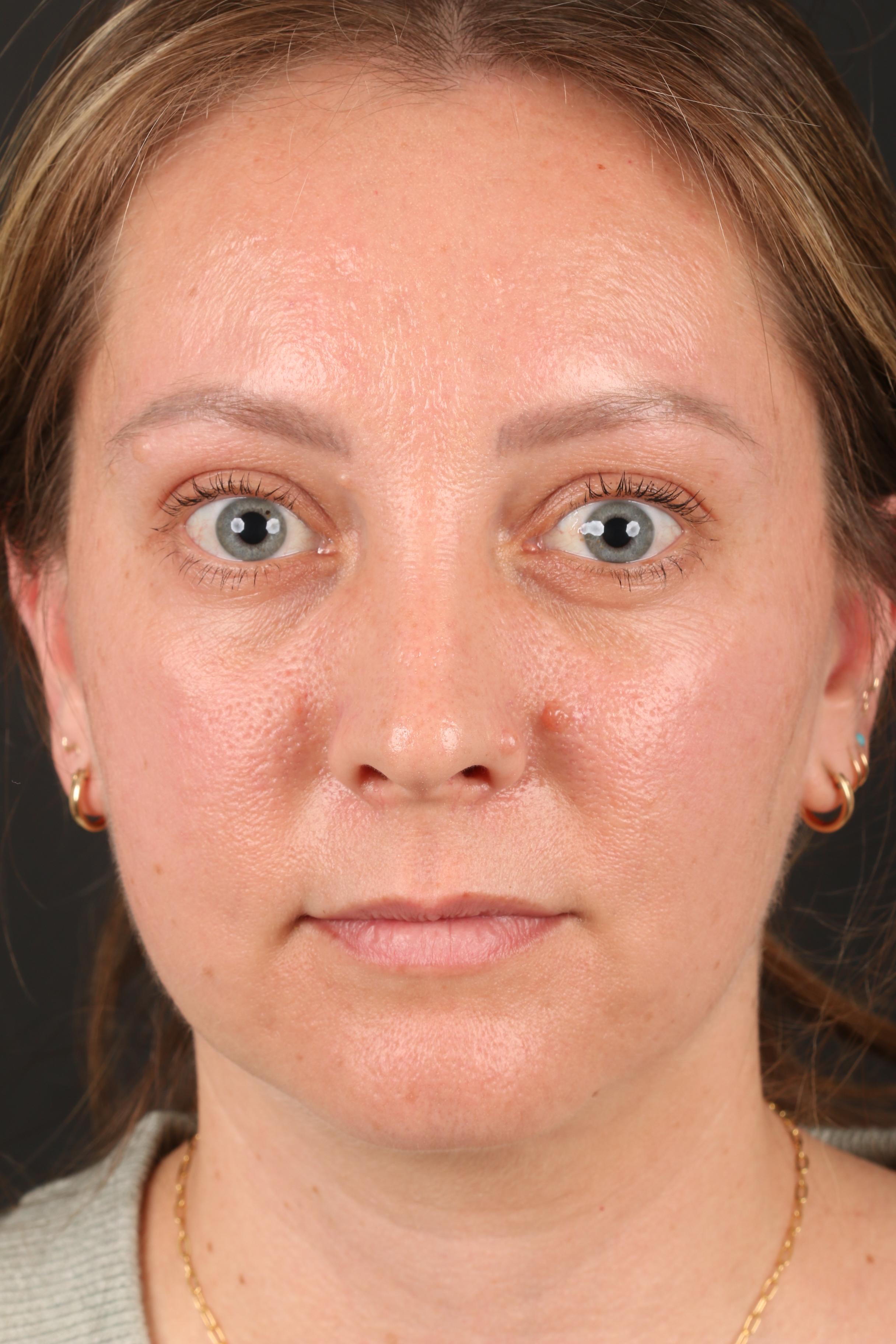
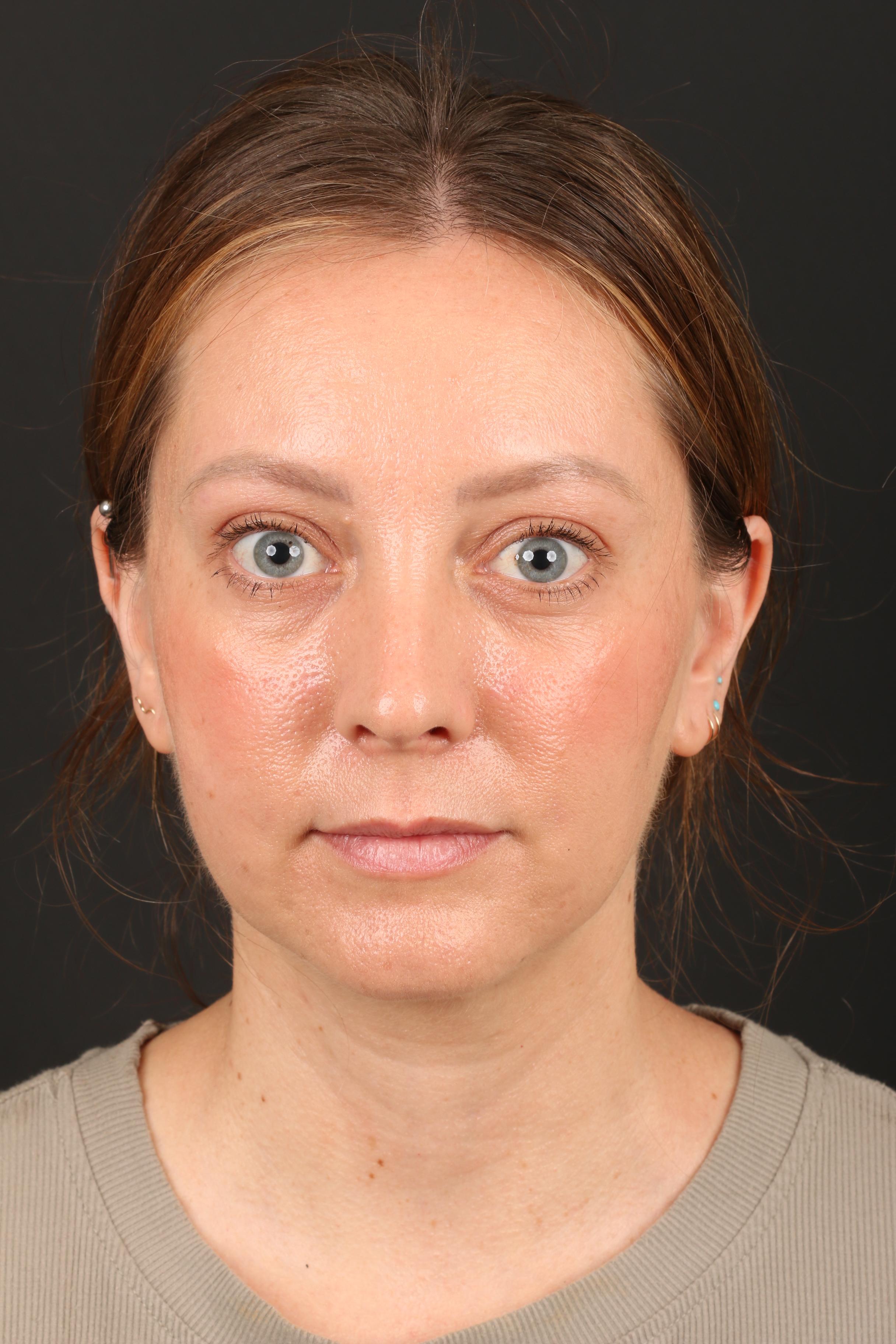
Actual patient. Individual healing and results vary.
Treatment
Shave Moleplasty™
Areas
Cheeks, nose, eyebrow & forehead
Follow-up
6 months
01 | Case Overview
Several selected raised facial moles were treated with a contour-focused plan designed around the characteristics of each individual lesion and the surrounding skin.
Treatment
Shave Moleplasty™
Areas Treated
Selected moles on cheeks, nose, eyebrow and forehead
Primary Concern
Several raised clear, white or skin-colored facial moles
Treatment Goal
Flatten unwanted projection while minimizing visible scarring
Pathology
Benign nevus
Aftercare
Retinol Renewal Complex + Silicone Scar Gel
Follow-Up
6 months
Outcome
Smooth, natural-looking treated areas without the previous raised projection
02 | The Concern
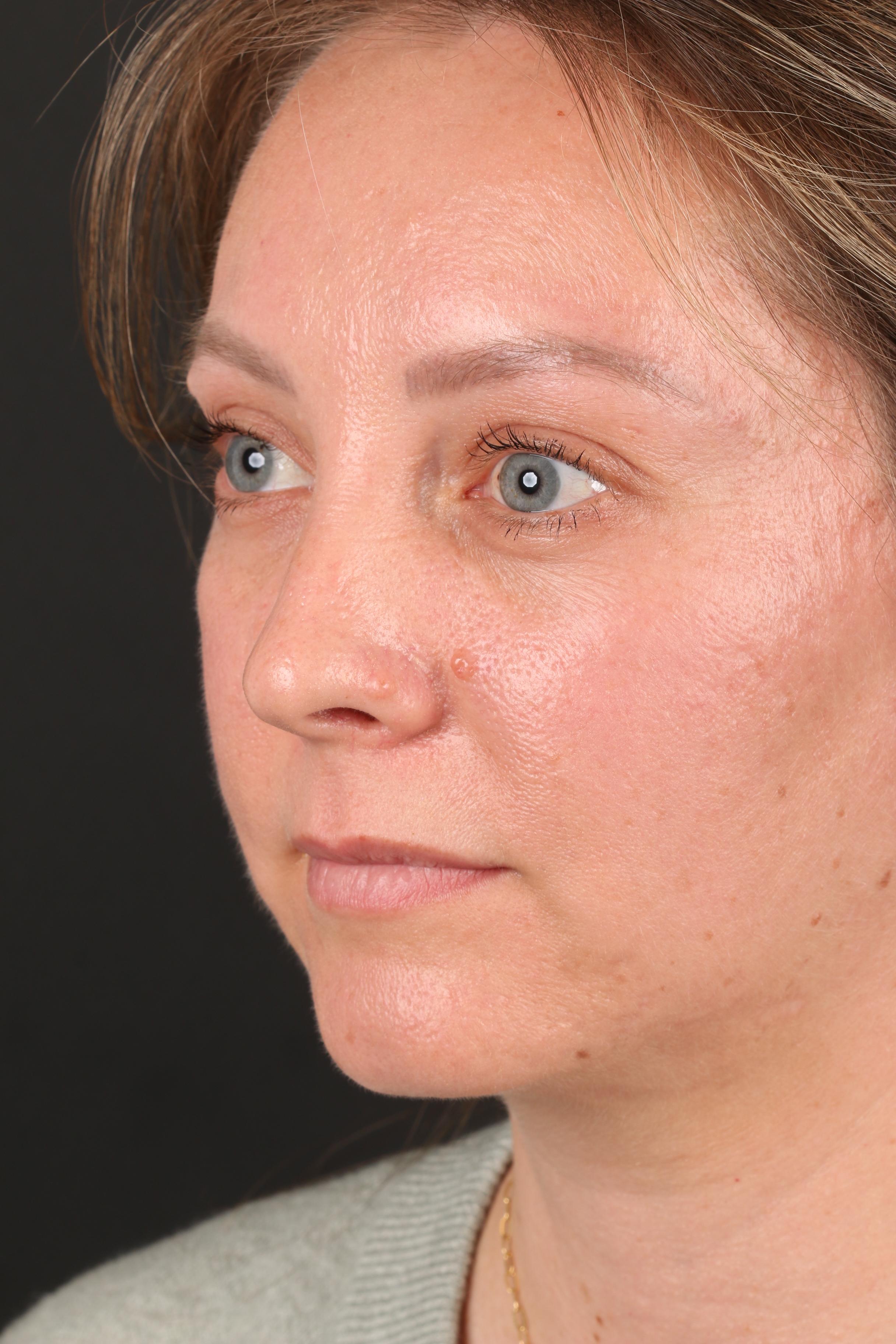
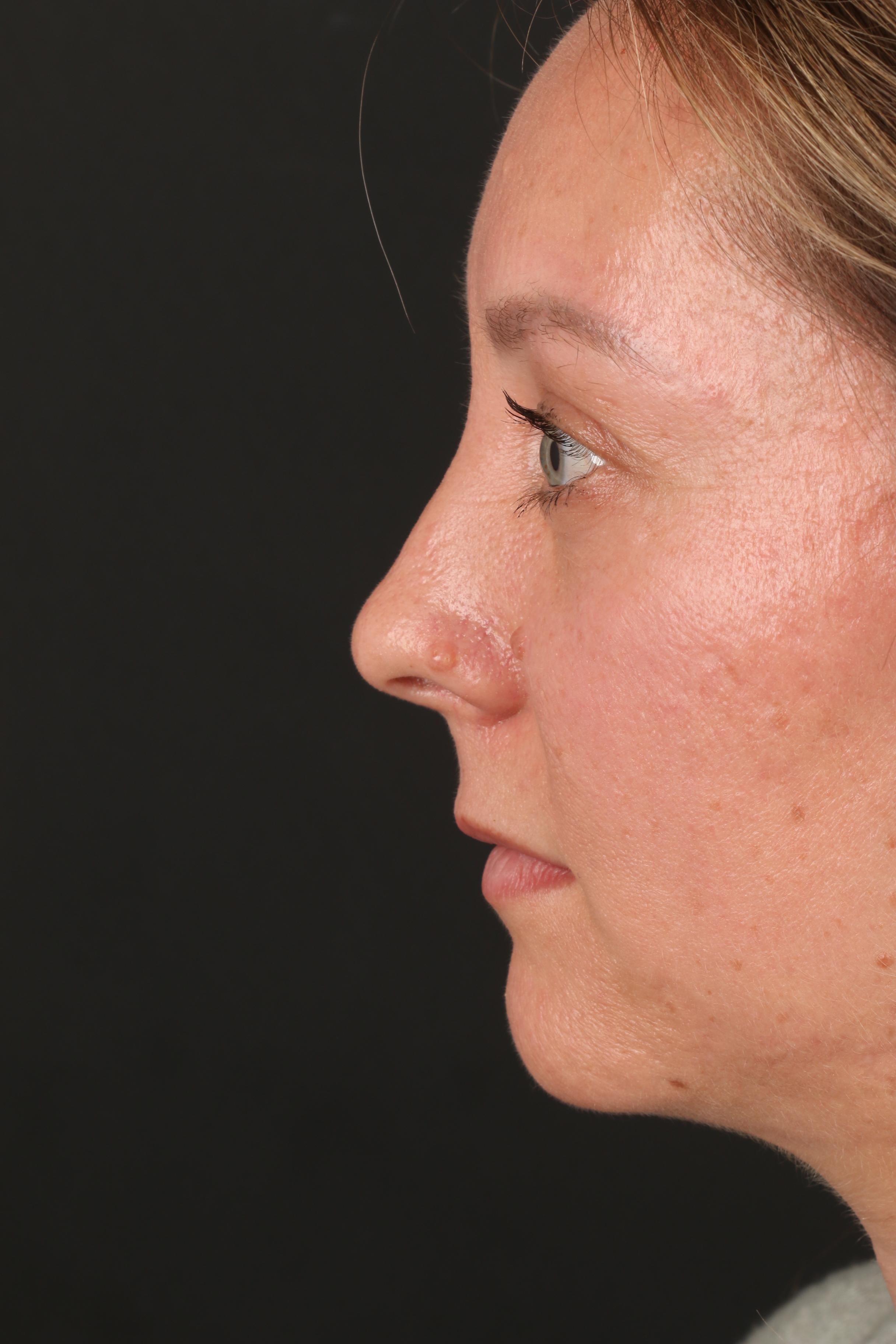
This 32-year-old woman wanted several raised moles treated on her cheeks, nose, eyebrow and forehead. The moles were clear, white or skin-colored, and she chose to treat only the lesions that bothered her.
Because the selected moles were already close to her natural skin color, the main aesthetic concern was their raised projection rather than pigmentation. The treatment plan therefore focused on improving contour while preserving a natural-looking skin surface.
03 | Assessment & Planning
Dr. Ardesh evaluated each mole and the surrounding skin, considering the location, size, shape and amount of projection. Her skin type and overall skin quality were also part of the decision-making process when selecting the mole removal technique.
Because multiple facial areas were involved, the goal was to choose the most appropriate treatment for each selected lesion rather than applying the same approach indiscriminately across the face.
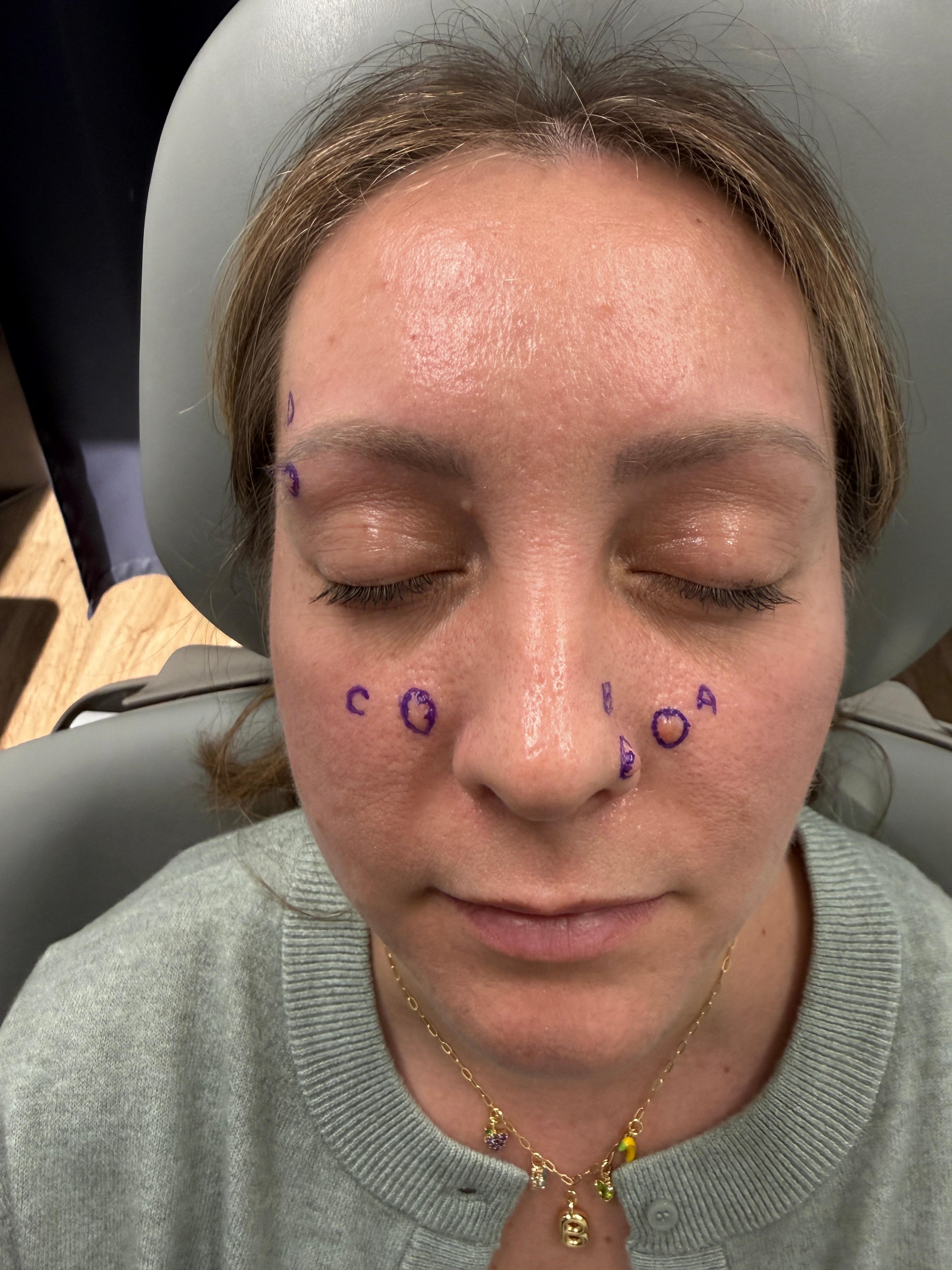
04 | Why Shave Moleplasty™
After discussing her facial mole removal options, the patient and Dr. Ardesh chose Shave Moleplasty™. Since the selected moles were already close to the patient's natural skin color, the treatment objective was to flatten the unwanted raised contour while minimizing visible scarring.
Shave Moleplasty™ allows the raised portion of a mole to be carefully removed and contoured while preserving supporting tissue beneath the treatment site. This helps reduce the risk of a noticeable depression or indentation after healing.
Procedure note
This case is Shave Moleplasty™, not Molectomy™. The procedure name and contour-focused treatment goal should remain exact throughout the live page.
01
Reduce the unwanted raised portion of the selected mole.
02
Preserve supporting tissue beneath the treatment site to help avoid an unwanted depression.
03
Treat the deeper component appropriately based on the individual lesion.
04
Plan each site for a discreet healed appearance within the surrounding facial skin.
05 | The Procedure
During Shave Moleplasty™, Dr. Ardesh carefully removed and contoured the raised portion of each selected mole to blend more naturally with the surrounding skin surface. Unwanted hair follicles within a mole may also be treated when present.
01
The raised portion of each selected mole was carefully removed and contoured toward the surrounding skin surface.
02
Supporting tissue beneath each site was preserved to help avoid an unwanted depression after healing.
03
The deeper component was treated appropriately to help reduce the chance of the lesion growing back in a raised form.
04
Technique was adapted to the anatomy and projection of each selected mole rather than treating the face as one uniform area.
06 | Pathology & Aftercare
Clinical confirmation
The removed mole tissue was sent to a laboratory for microscopic examination by a board-certified pathologist. The submitted tissue was confirmed to be a benign nevus.
Pathology result
Benign nevus
Healing support
After treatment, she used Beauty Mark MD skincare to support her skin during healing.
07 | Six-Month Outcome
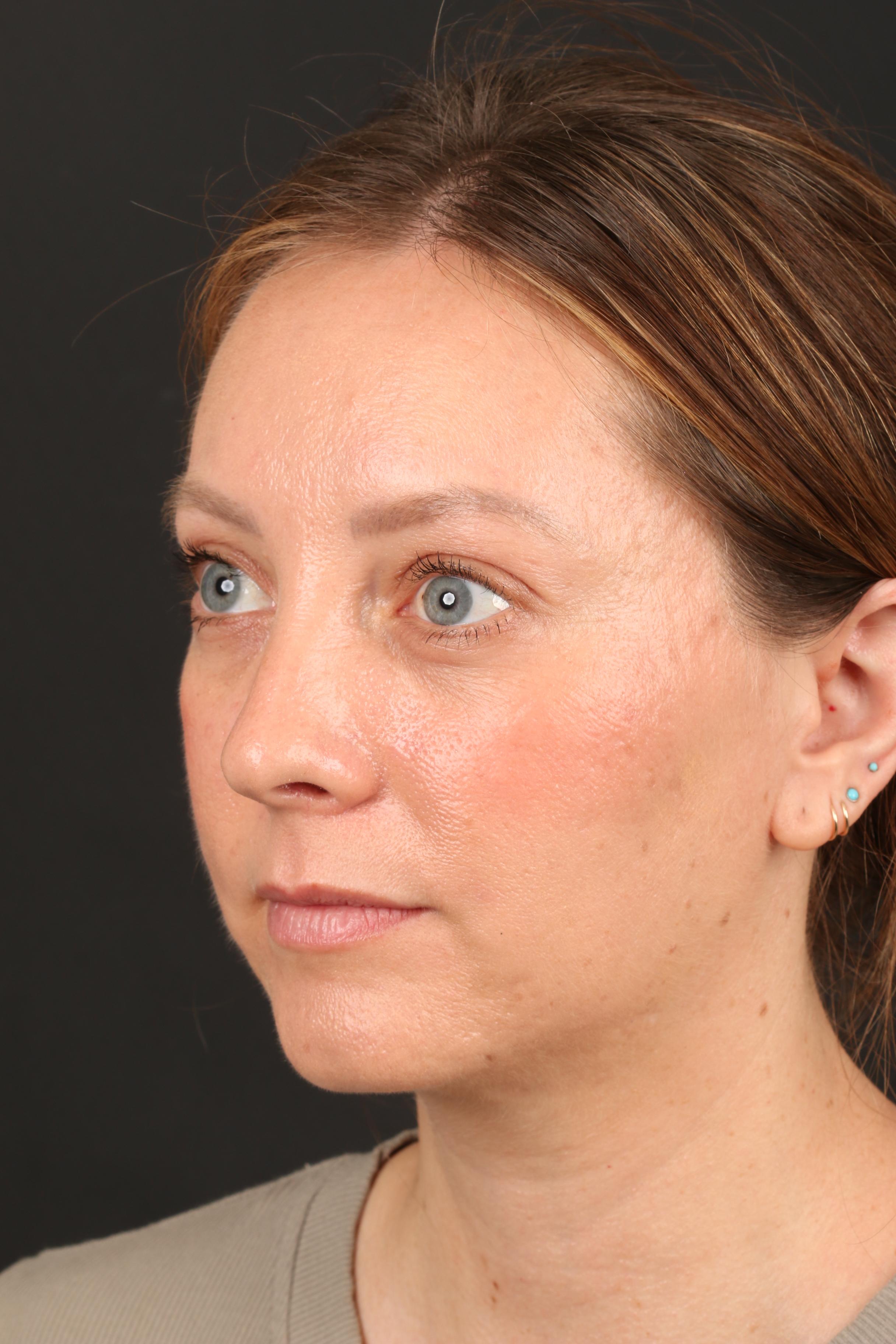
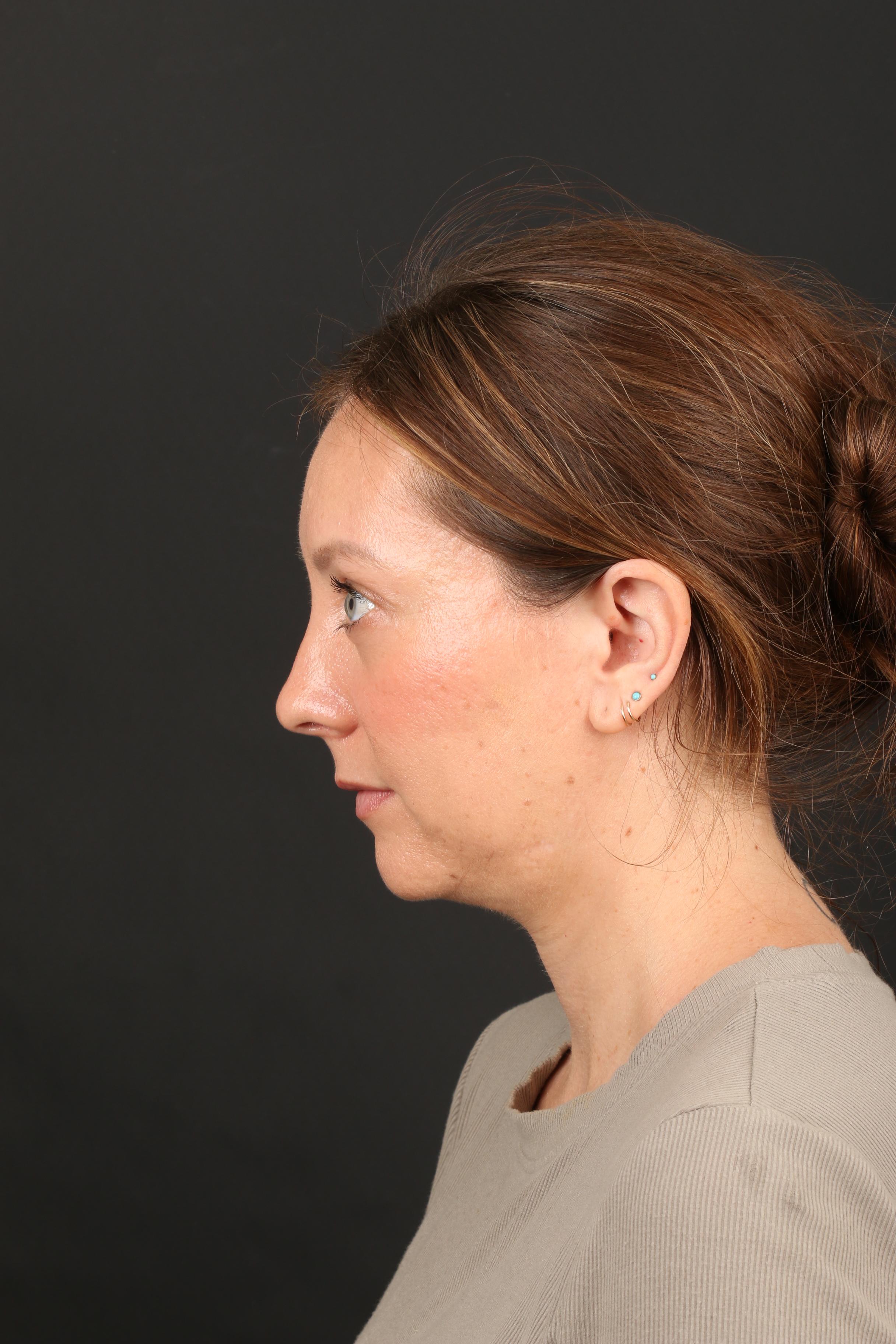
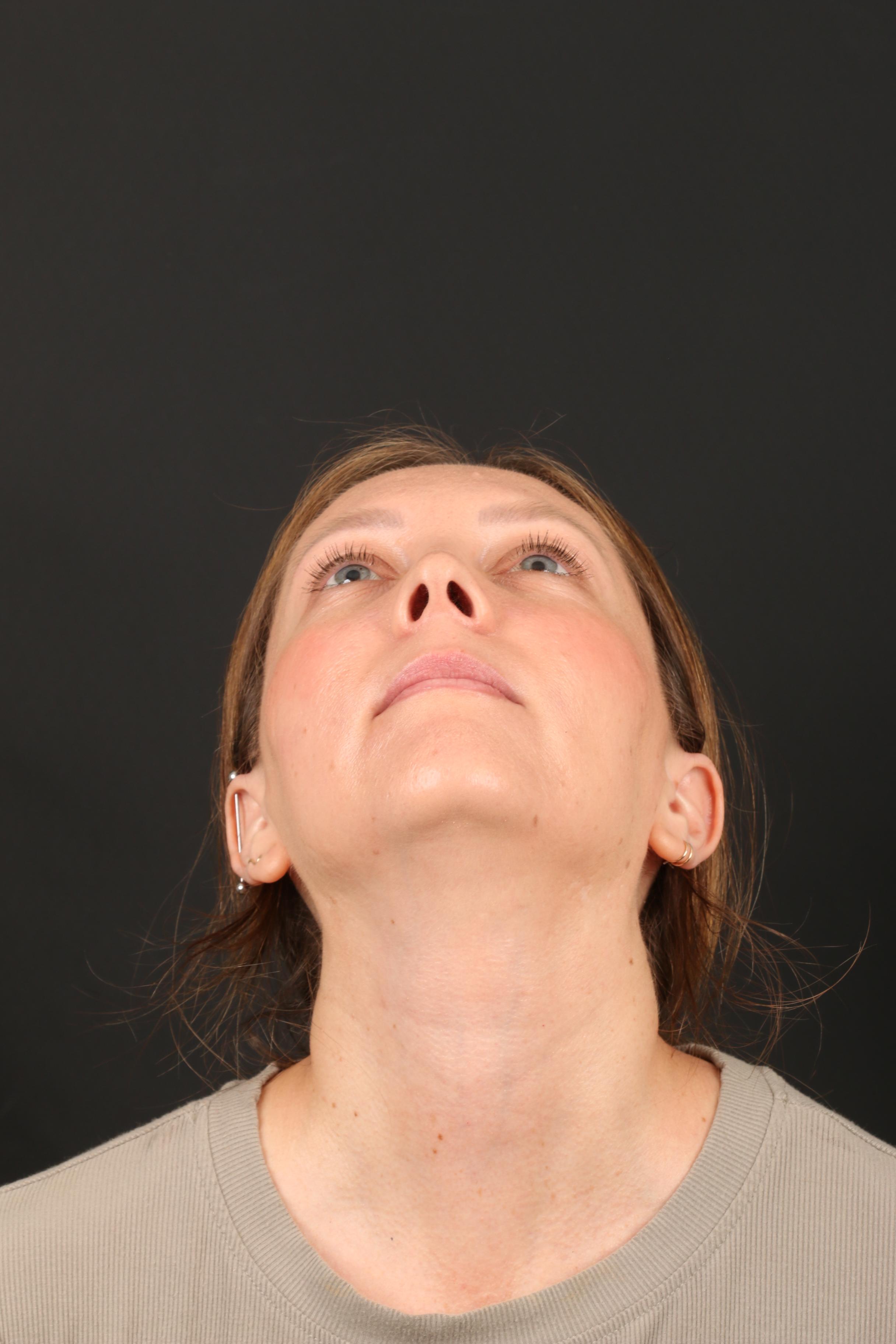
Her results are shown six months after Shave Moleplasty™. The treated areas appear smooth and natural-looking, without the previous raised projection of the selected moles.
The outcome reflects the central goal of this case: improve the visible contour of several raised facial moles while maintaining a natural appearance across the cheeks, nose, eyebrow and forehead.
Clinical perspective
The six-month interview can be used to explain why Shave Moleplasty™ was selected, how the treated sites healed, and why reducing projection was the key cosmetic goal in this particular case.
Actual patient. Individual healing and results vary.
08 | Before & After
Front, angled and profile views are paired by angle wherever possible so the change in projection and facial contour is easier to understand.
Transformation summary
Before
Several selected raised, skin-colored facial moles
Planning
Location, size, shape, projection, skin type and skin quality assessed
Technique
Shave Moleplasty™
Pathology
Benign nevus
Aftercare
Retinol Renewal Complex + Silicone Scar Gel
6 Months
Smooth, natural-looking treated areas without previous projection
This case was not about removing every facial mole or changing pigmentation. The patient chose the selected raised lesions that bothered her, and each site was evaluated individually before treatment.
Shave Moleplasty™ was selected to reduce unwanted projection while preserving supporting tissue and maintaining a smooth, natural-looking facial contour across several different treatment areas.
Every mole and every treatment area is different. A consultation with Dr. Ardesh can help determine whether Shave Moleplasty™, Molectomy™, or another treatment approach may be appropriate based on the characteristics of the lesion, its location and the desired cosmetic outcome.