Otoplasty (Ear Pinning) & Comprehensive Ear Surgery in Beverly Hills
Real Patients.
Real Transformations.
Otoplasty / Ear Pinning Surgery
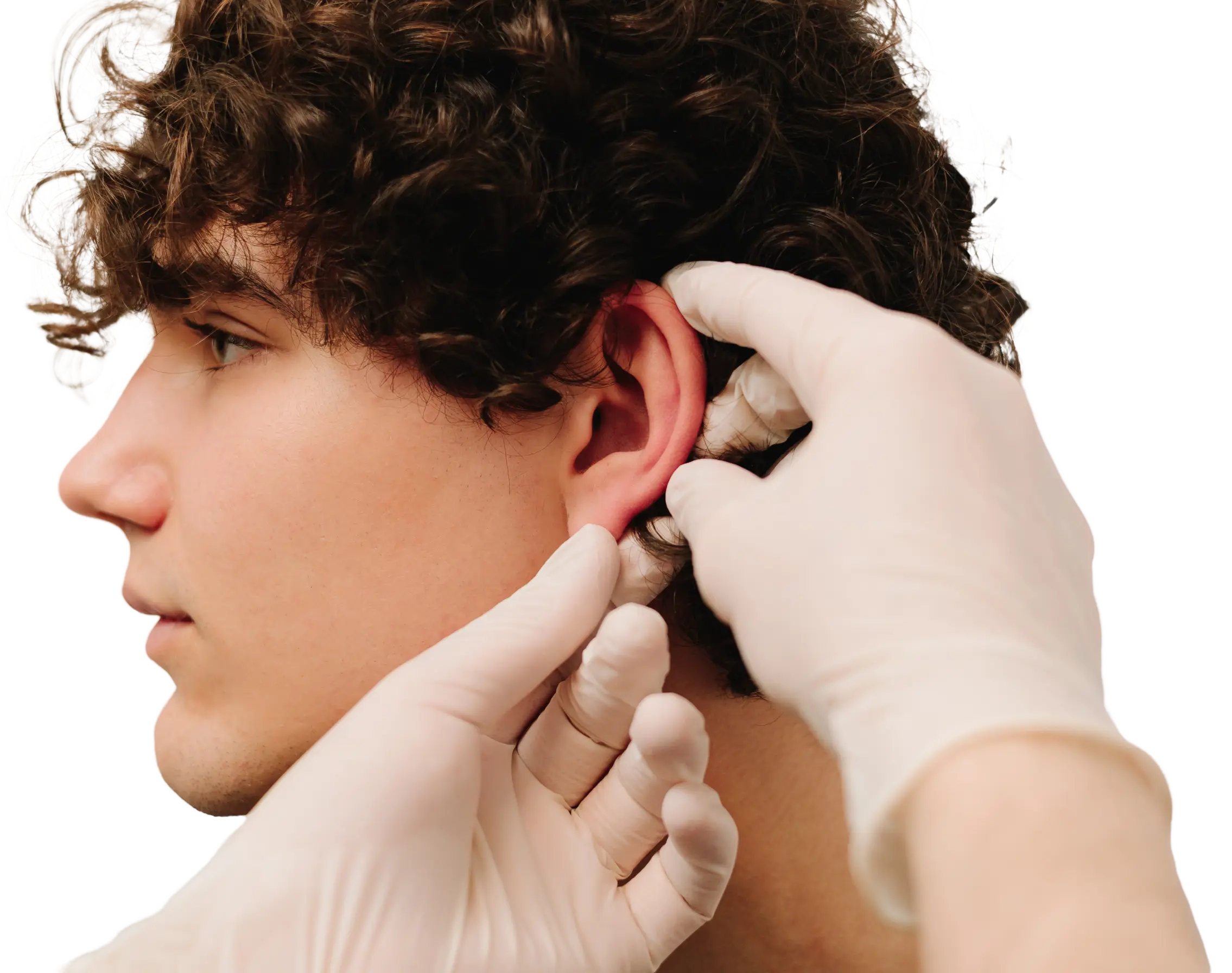
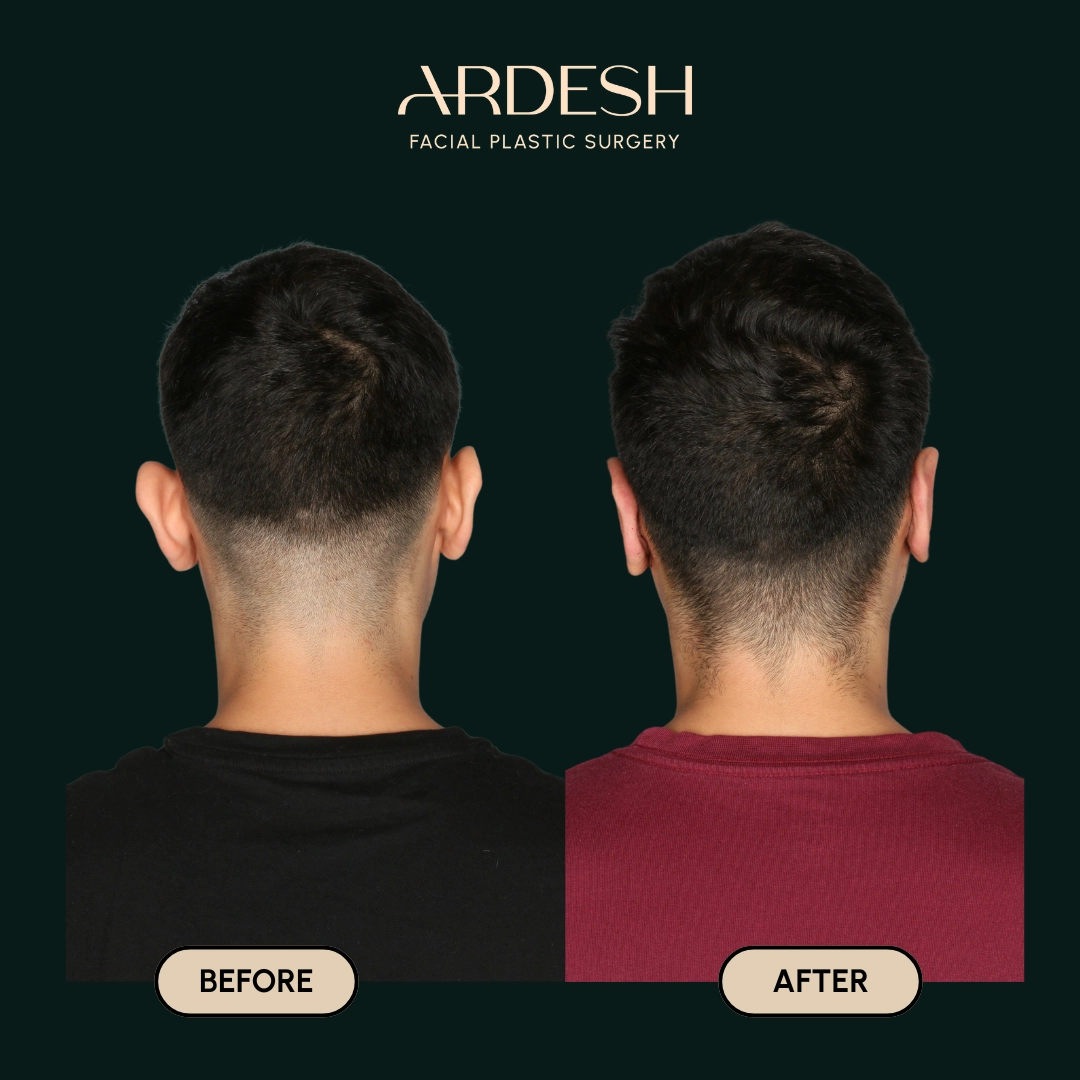
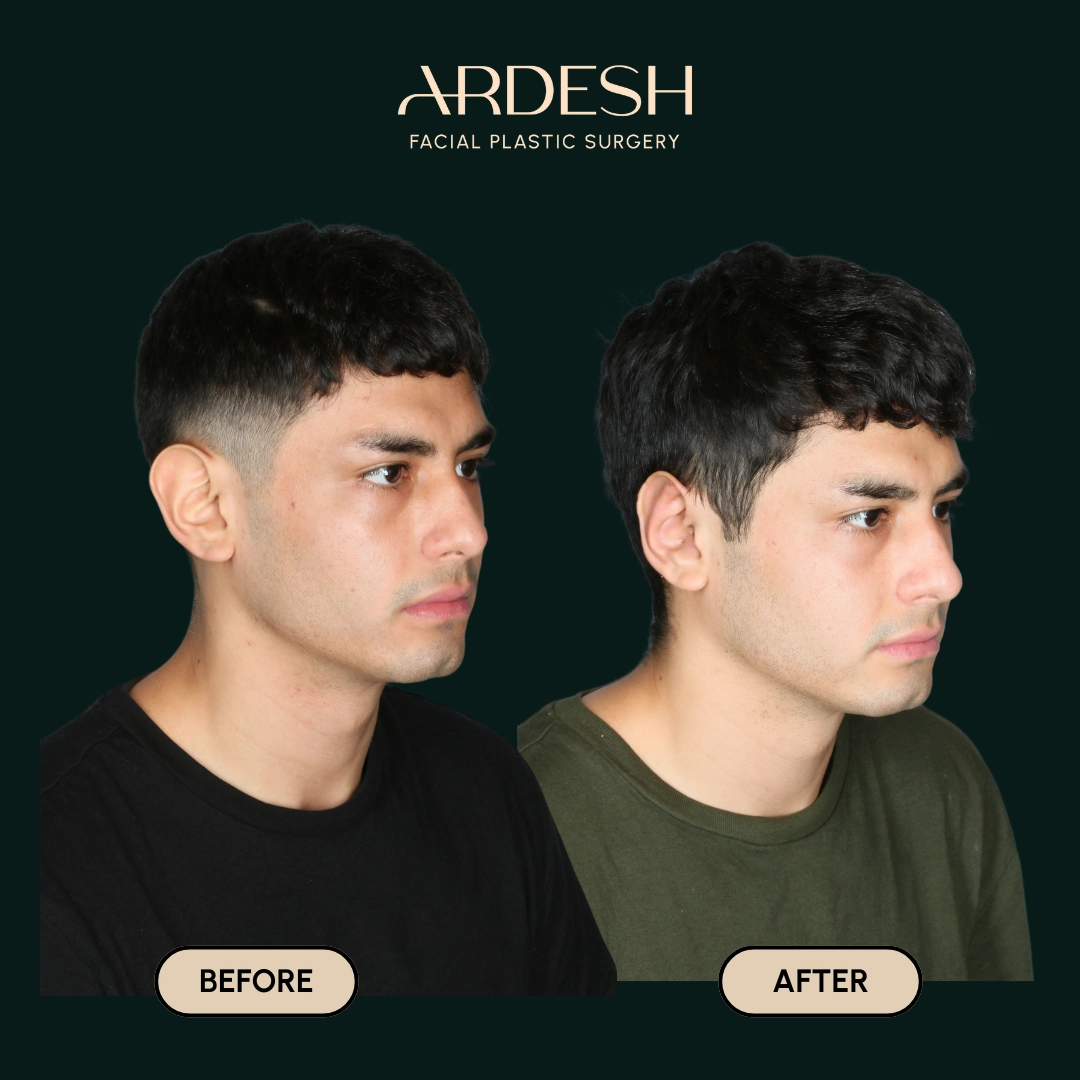
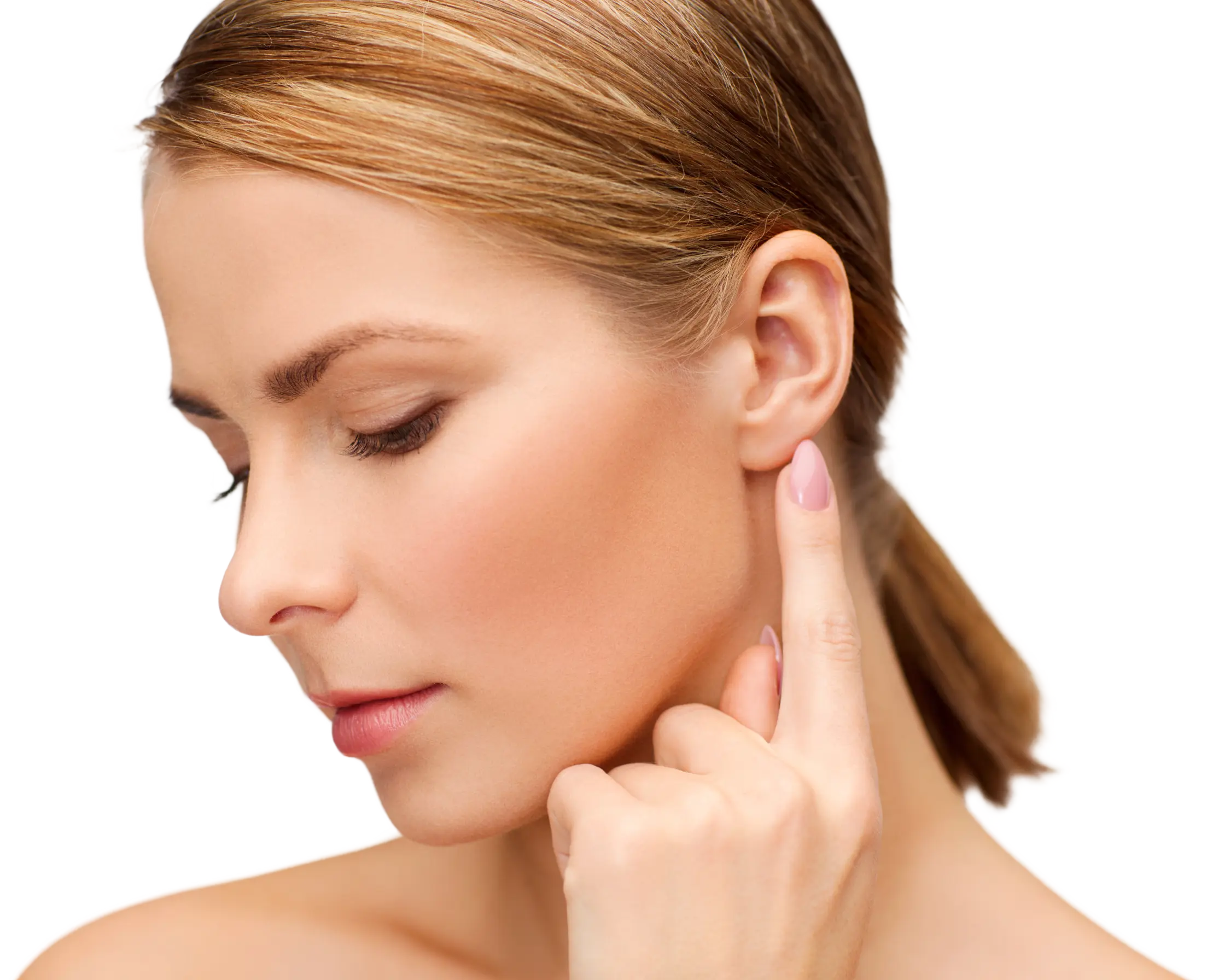
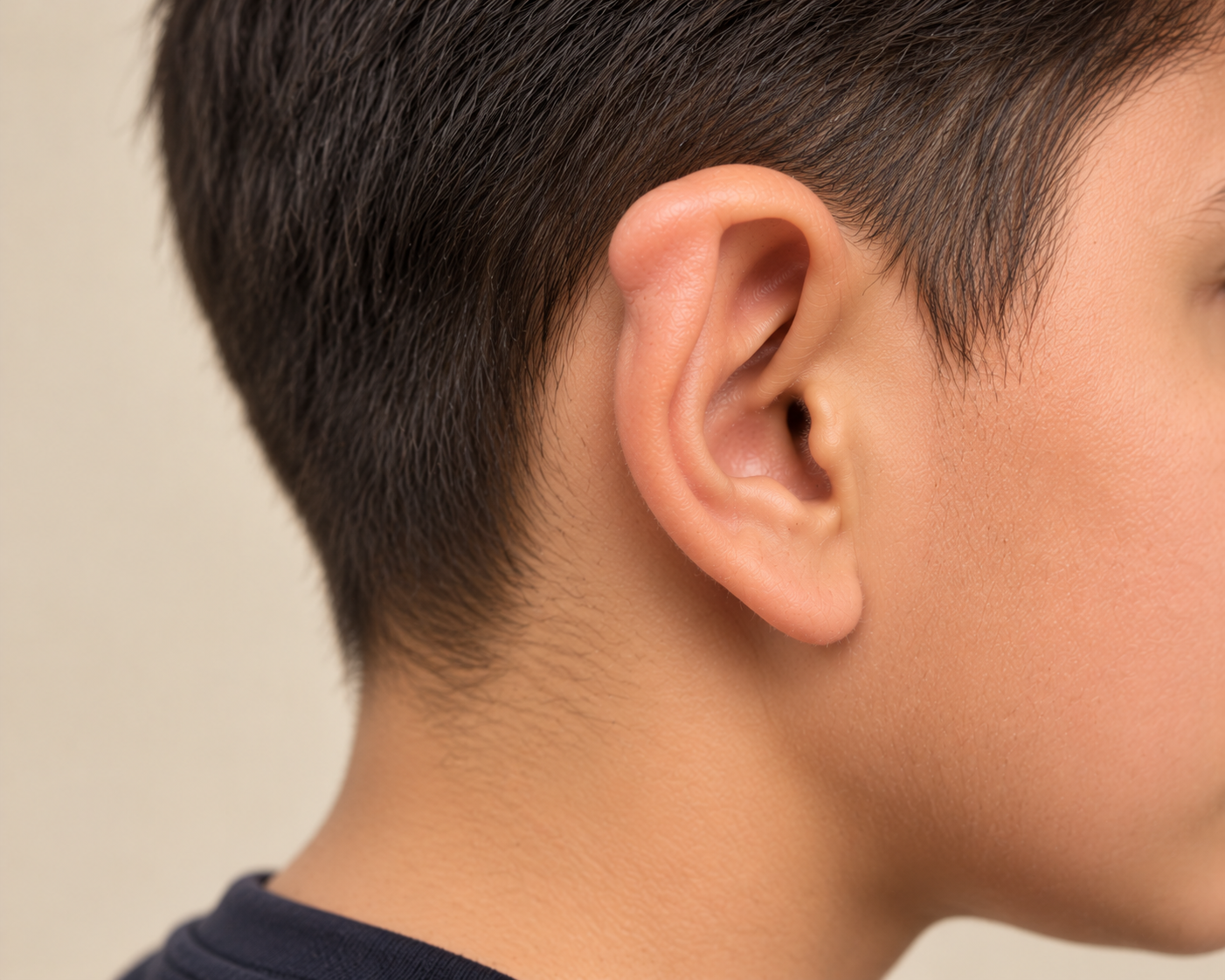
Otoplasty, commonly called ear pinning surgery, reshapes or repositions the external ear to reduce excessive projection, improve natural contours, and create better balance with the face.
Prominent ears are usually related to cartilage anatomy rather than the skin itself. For this reason, meaningful correction in older children and adults generally requires surgery rather than fillers, lasers, skin tightening, or other nonsurgical cosmetic treatments.
Dr. Ardesh does not approach otoplasty as simply moving the ears backward. The amount and type of correction are determined by the patient's individual cartilage structure, ear projection, symmetry, facial proportions, and goals.
The objective is to create ears that look natural from the front, profile, and three-quarter views without appearing excessively flattened or “pinned.”
Dr. Ardesh Ear Framing Approach to Facial Harmony
Dr. Ardesh developed the Ardesh Ear Framing Approach to Facial Harmony around the idea that the ears, together with the hairline and jawline, create part of the outer frame of the face. Just as the frame around a picture can influence how the artwork is perceived, ear position can influence where attention is directed across the face. During evaluation, Dr. Ardesh considers how the ears relate to the:
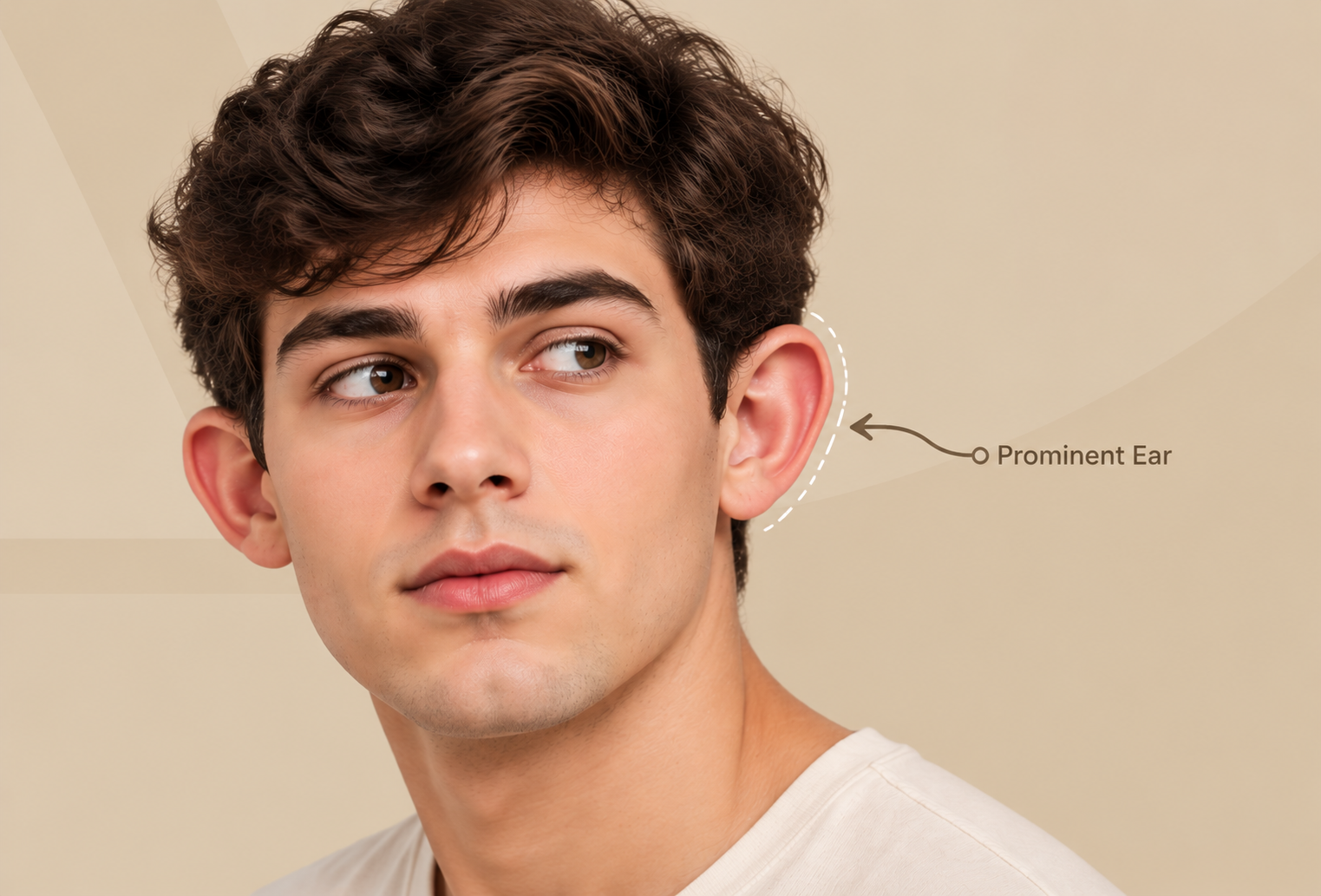
Prominent vs. Protruding Ears: Understanding the Anatomy
Two anatomical differences account for many cases of prominent or protruding ears.
| Ear Concern | Common Anatomical Cause | What Happens | How Otoplasty May Address It |
|---|---|---|---|
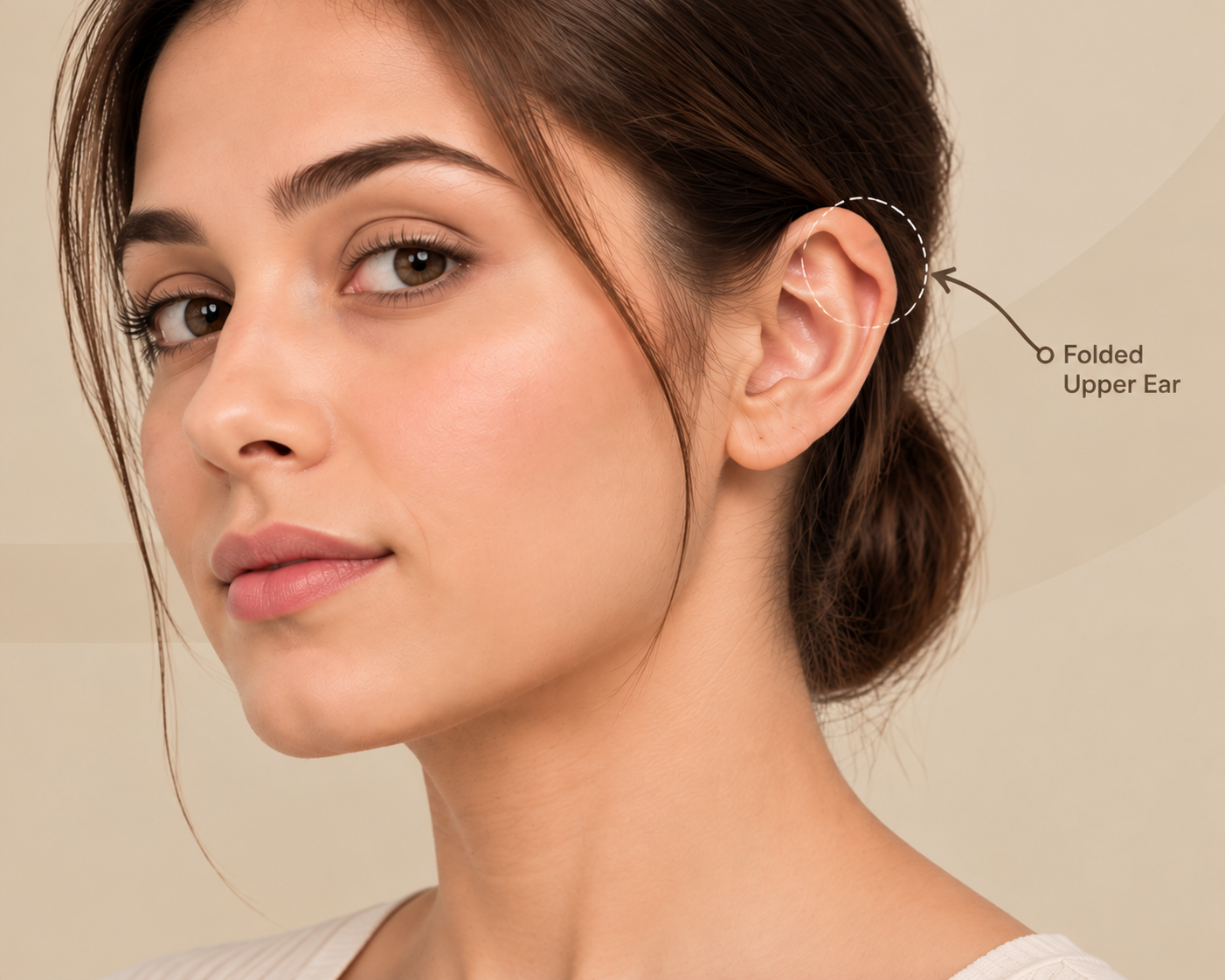
| Prominent upper ear | Underdeveloped antihelical fold | The natural cartilage fold is less defined, allowing the upper ear to project outward | The fold may be recreated or refined to restore a more natural contour |
| Excessive central projection | Enlarged or prominent conchal bowl | The deeper central part of the ear increases the distance between the ear and head | The conchal area may be reshaped, reduced, or repositioned |
| Combined prominence | Both features are present | Several areas of the ear contribute to projection | A combination of cartilage reshaping, fold creation, conchal correction, and repositioning may be used |
Because many patients have more than one anatomical cause, otoplasty should be individualized rather than performed using a single standard technique.
Otoplasty, Confidence, and Self-Image
Prominent ears are sometimes treated as a minor cosmetic issue, but the effect can be much more personal.
Some adults describe spending years:
- Wearing hairstyles that hide their ears
- Avoiding photographs from particular angles
- Feeling uncomfortable with their hair pulled back
- Becoming self-conscious when their ears are exposed
For many adults, otoplasty means finally addressing a concern they have carried since childhood.
Otoplasty for Children
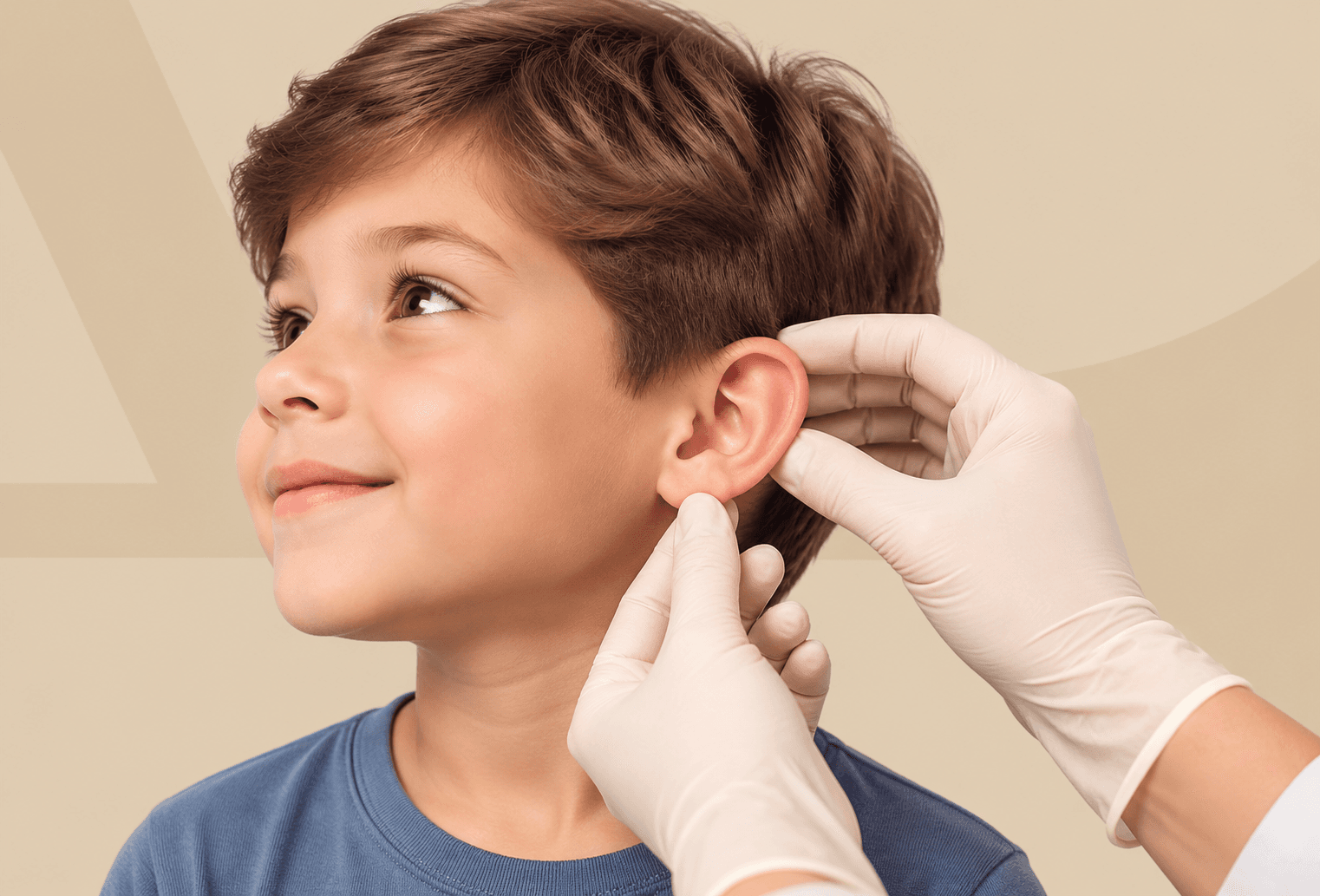
Prominent ears can also attract unwanted attention during the school years.
Teasing, ridicule, or comments about ear appearance may occur during an important stage of social and emotional development.
Otoplasty is commonly considered from around six years of age, when ear growth is largely complete.
Age alone does not determine whether surgery is appropriate. The child's anatomy, general health, maturity, individual concerns, and willingness to participate in treatment should also be considered.
How Otoplasty Is Planned
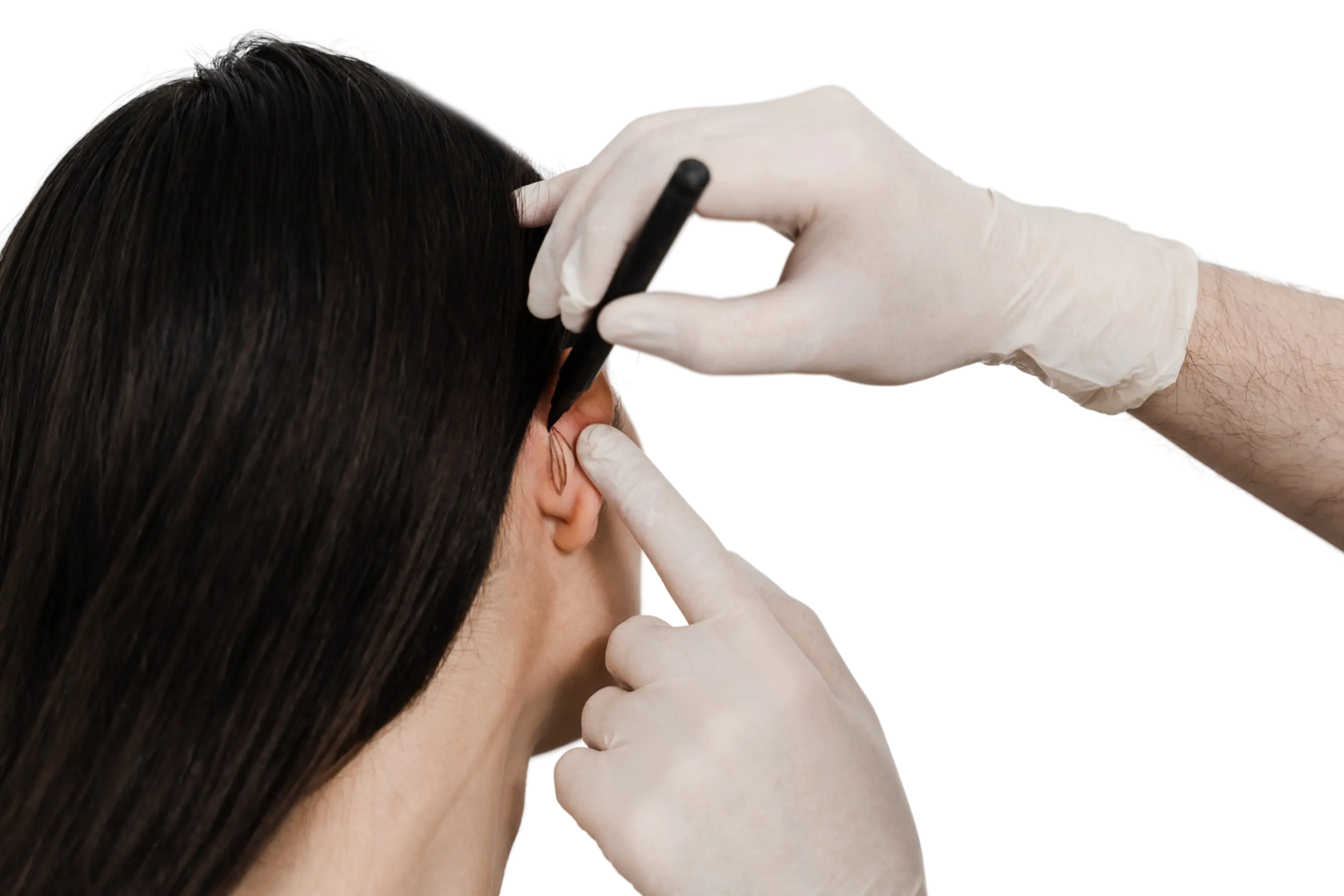
The first step is understanding exactly what is creating the ear prominence.
Dr. Ardesh evaluates factors such as:
- Antihelical fold development
- Conchal prominence
- Cartilage structure
- Ear projection
- Differences between the two ears
- Ear size and proportions
- Skin characteristics
- Relationship between the ears and surrounding facial anatomy
Depending on these findings, treatment may include cartilage reshaping, antihelical fold creation, conchal correction, ear repositioning, or a combination of techniques.
Anesthesia and Surgical Setting
Depending on the patient's age, procedure, anatomy, and individual needs, treatment may involve:
- An office-based procedure
- Local anesthesia
- Oral sedation
- An operating-room setting
The appropriate approach is selected during surgical planning.
Otoplasty Recovery
Temporary swelling, bruising, tenderness, and changes in sensation can occur during healing.
Patients are advised to protect the ears from unnecessary pressure or trauma while the cartilage and surrounding tissues recover.
Return to school, work, exercise, and other activities varies according to the procedure and individual healing.
Dr. Ardesh provides postoperative instructions specific to each patient's surgery and monitors healing during follow-up.
Earlobe Rejuvenation & Repair
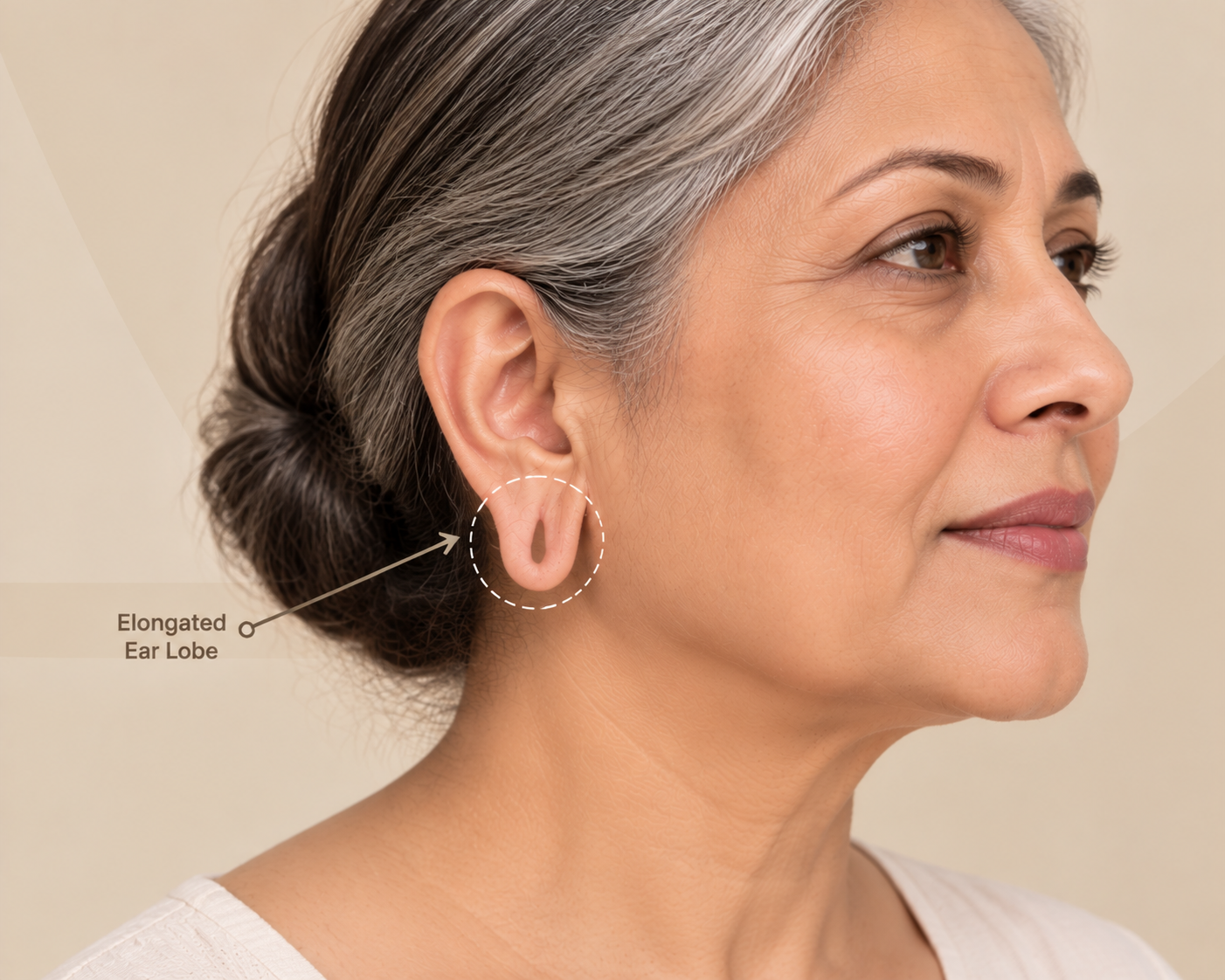
The earlobes change throughout life.
Gravity, genetics, aging, years of earring use, stretching, trauma, and previous surgery can alter their length, volume, shape, or relationship to the jawline and neck.
For this reason, Dr. Ardesh views earlobe surgery as part of facial rejuvenation as well as repair.
A face may look refreshed while elongated, stretched, or distorted earlobes continue to contribute to an aged or unbalanced appearance.
Deep Plane Facelift Principles Applied to Earlobe Surgery
Dr. Ardesh's experience with deep plane face and neck lift surgery also influences his approach to the earlobes.
Many of the same principles used to achieve natural facial rejuvenation are relevant to earlobe surgery, particularly:
- Respecting facial proportions
- Maintaining natural tissue relationships
- Carefully positioning incisions
- Using natural borders and creases
- Considering shadow lines and transitions when planning scars
These principles are particularly important when treating pixie ear deformity, attached earlobes, and revision cases.
Earlobe Rejuvenation and Facial Aging
Earlobes may gradually elongate or become thinner with age.
Dermal fillers can temporarily restore volume in selected patients, but fillers do not correct excessive earlobe length, stretched tissue, enlarged earlobes, or other structural changes. Excessive volume replacement may also create a bulky appearance.
When appropriate, surgical earlobe rejuvenation can reduce excess tissue and reshape the earlobe to create more youthful proportions.
The goal is not simply to make the earlobe smaller. Its relationship to the cheek, jawline, neck, and surrounding contours must also be considered.
Torn Earlobes, Gauge Repair & Pixie Ear Correction
Torn Earlobe Repair
Heavy earrings, trauma, jewelry accidents, and progressive stretching can cause an earlobe piercing to become elongated, partially torn, or completely split. Surgical repair can restore a more natural earlobe contour.
Gauge Repair
Earlobes stretched by gauge earrings may require removal of excess tissue and reconstruction of the remaining earlobe. When appropriate, Dr. Ardesh may recommend allowing approximately six months of healing before re-piercing.
Pixie Ear Deformity
A pixie ear occurs when the earlobe appears pulled downward and blends into the jawline or neck. It can develop after facelift surgery when scar contraction places downward tension on the earlobe. Correction requires recreating a more natural, free-hanging earlobe while considering the surrounding cheek, jawline, and neck.
Attached Earlobes
Some patients naturally have attached earlobes and prefer greater definition between the earlobe and the surrounding facial anatomy. Surgical correction can create a more distinct earlobe contour when appropriate.
Ear Keloid Treatment in Beverly Hills
An ear keloid is an excessive growth of scar tissue that may develop after:
Keloids are treated for both cosmetic and symptomatic reasons.
Patients may seek treatment because of:
These symptoms matter because an ear keloid is not always simply a cosmetic scar.
The Dr. Ardesh Keloid Management Protocol
Keloid treatment requires more than simply removing scar tissue because recurrence can occur.
Dr. Ardesh uses an individualized approach that may include:
Careful scar assessment
Evaluation of recurrence risk
Individualized treatment planning
Steroid injections
5-fluorouracil (5-FU) injections
Surgical excision when appropriate
Tension-reducing closure techniques
Strategic suture selection
Skin preparation and scar-management strategies when appropriate
Close postoperative monitoring
Long-term follow-up
The objective is not only to remove or reduce the keloid, but also to improve symptoms and address factors associated with recurrence.
Advanced Ear Reconstruction
Ear reconstruction requires careful restoration of both skin coverage and cartilage support while preserving the contours that make the ear look natural.
Dr. Ardesh's reconstructive experience allows him to evaluate complex ear problems from both a structural and aesthetic perspective.
Reconstruction may be considered following:
Reconstructive Techniques
Depending on the location and extent of the defect, treatment may involve:
Reconstructive Techniques
The reconstructive plan depends on how much skin and cartilage have been affected.
Cartilage Grafting
When additional structural support is required, cartilage may be obtained from:
The appropriate donor source depends on the reconstructive requirements.
Skin Grafting
Full-thickness or split-thickness skin grafts may be considered when additional skin coverage is required.
The ear presents particular reconstructive challenges because its skin has limited mobility and lies over a complex cartilage framework.
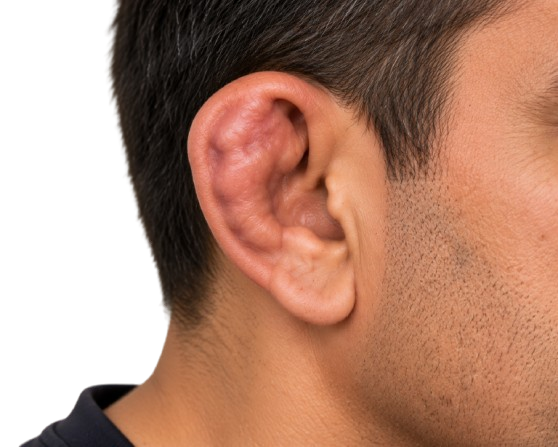
Cauliflower Ear Treatment
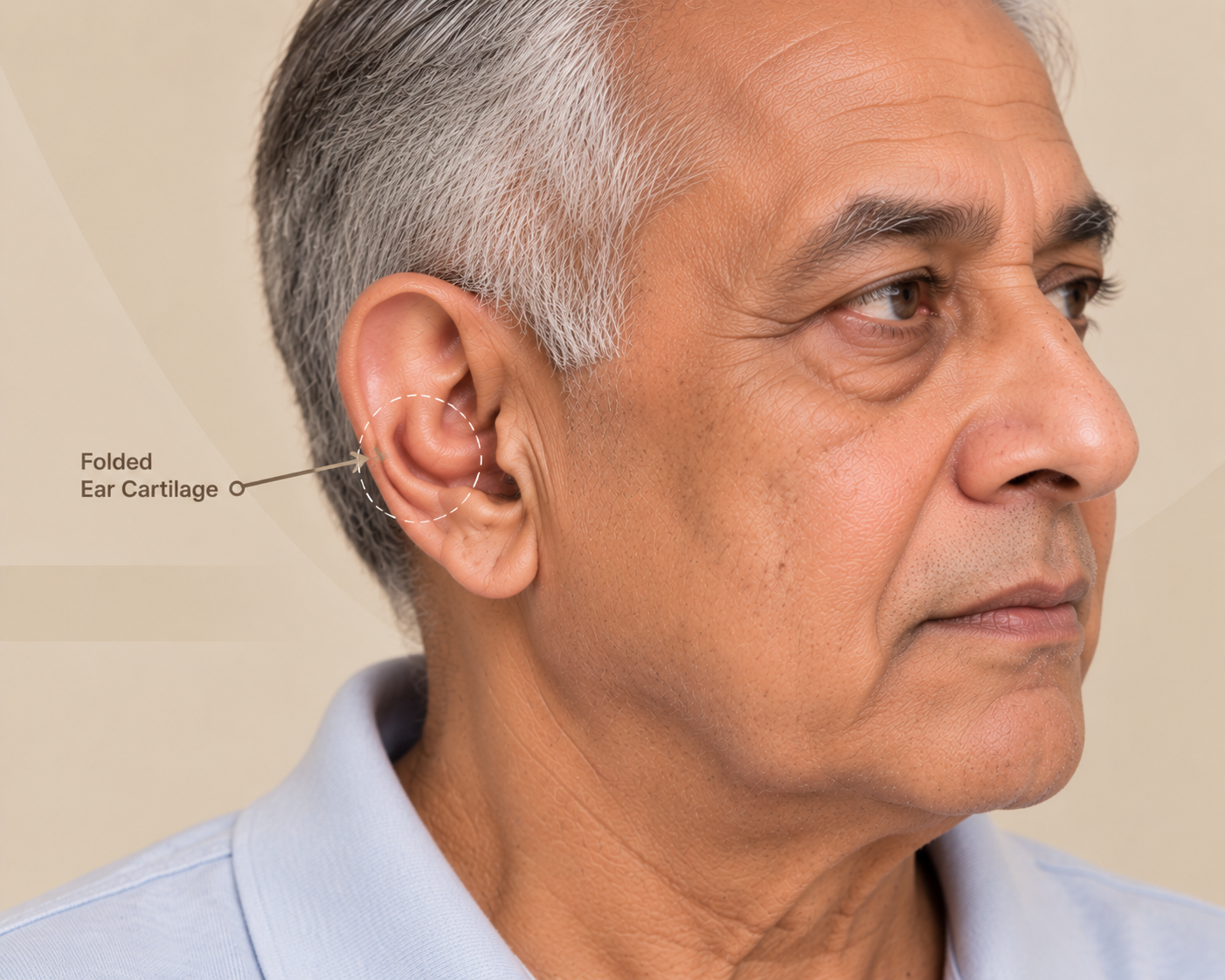
Cauliflower ear can develop when trauma causes a hematoma to form between the skin and cartilage and the injury does not heal normally.
It is commonly associated with contact sports such as:
Depending on the condition of the ear, treatment may involve drainage, removal of calcified or scarred tissue, cartilage reshaping, scar revision, and restoration of more natural ear contours.
Other Ear Conditions
Dr. Ardesh also evaluates additional structural and congenital ear concerns, including:
The appropriate treatment depends on the individual diagnosis and anatomy.
Who May Be a Candidate for Ear Surgery?
Ear surgery may be considered by children or adults concerned about cosmetic, structural, traumatic, or reconstructive ear problems.
Depending on the condition, patients may seek treatment for:
The appropriate procedure depends on the patient's anatomy, medical history, individual concern, and treatment goals.
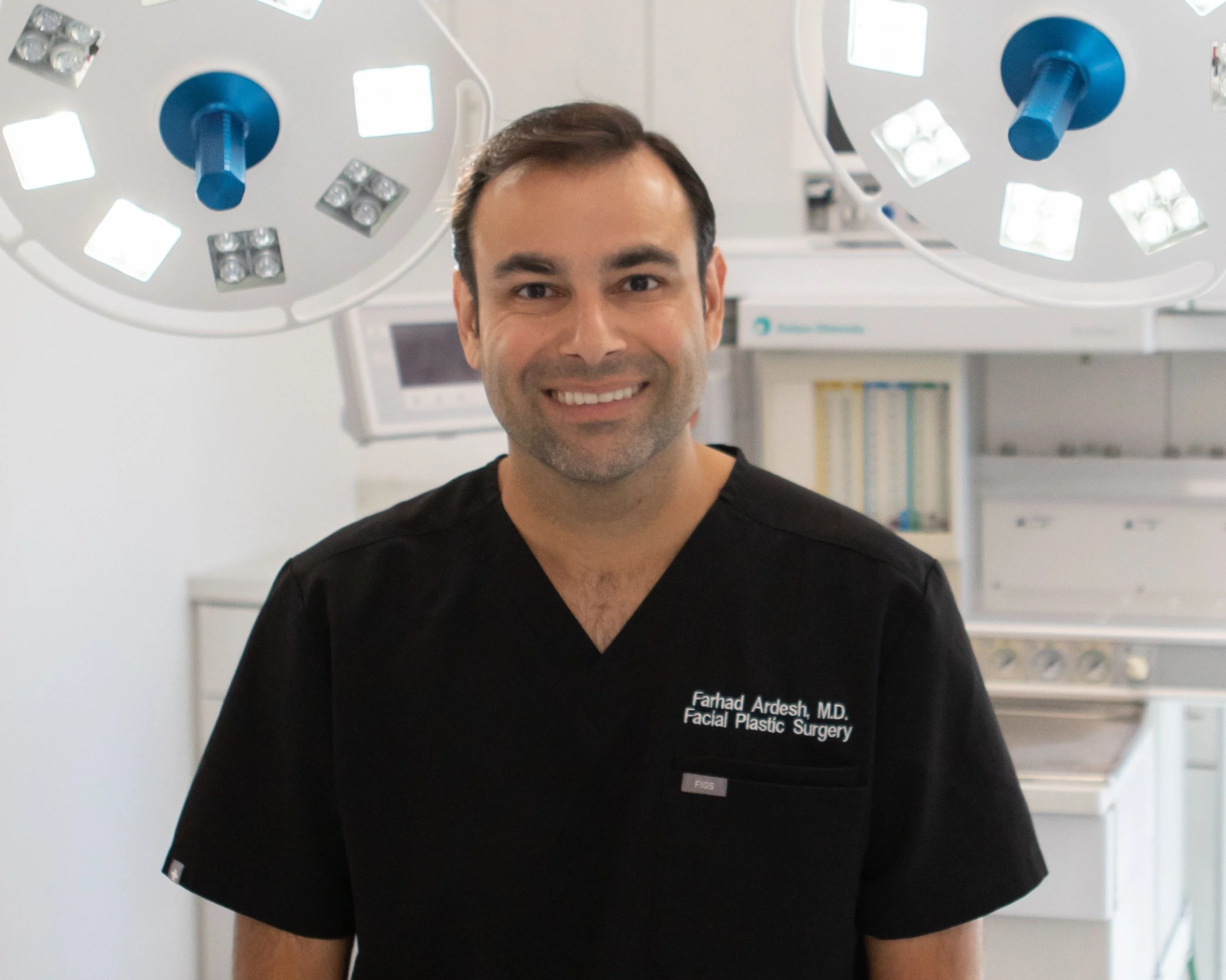
Why Choose Dr. Ardesh for Ear Surgery in Beverly Hills?
Dr. Farhad Ardesh completed advanced Facial Plastic and Reconstructive Surgery fellowship training at the University of Washington in Seattle in 2014.
His fellowship experience included:
His practice includes both cosmetic and reconstructive ear surgery, allowing him to approach ear concerns from two complementary perspectives.
Cosmetic judgment is important because ear position influences facial balance. Reconstructive expertise is equally important because successful ear surgery requires an understanding of cartilage structure, skin coverage, scarring, tissue behavior, and natural ear contours.
These principles come together through the Dr. Ardesh Ear Framing Approach to Facial Harmony.
Schedule an Ear Surgery Consultation in Beverly Hills
Ear surgery may involve a relatively subtle change in projection or a complex reconstruction involving cartilage and skin. In either situation, the same principle applies: the ear should be treated in relationship to the face around it. Dr. Ardesh evaluates ear anatomy, facial proportions, symptoms, previous surgery, and individual goals before recommending treatment. Schedule a consultation with Dr. Farhad Ardesh in Beverly Hills to discuss otoplasty, earlobe surgery, ear keloid treatment, or advanced ear reconstruction.