Look Younger with Upper Eyelid Surgery
Upper eyelid surgery, or blepharoplasty, is a surgical procedure designed to address drooping eyelids by removing excess skin, muscle, and fat from the upper eyelids. This procedure not only improves the cosmetic appearance of the eyes but can also enhance vision if sagging skin and muscle obstruct your field of view. Dr. Ardesh performs precise blepharoplasty techniques to ensure a natural contour that complements the overall facial structure.
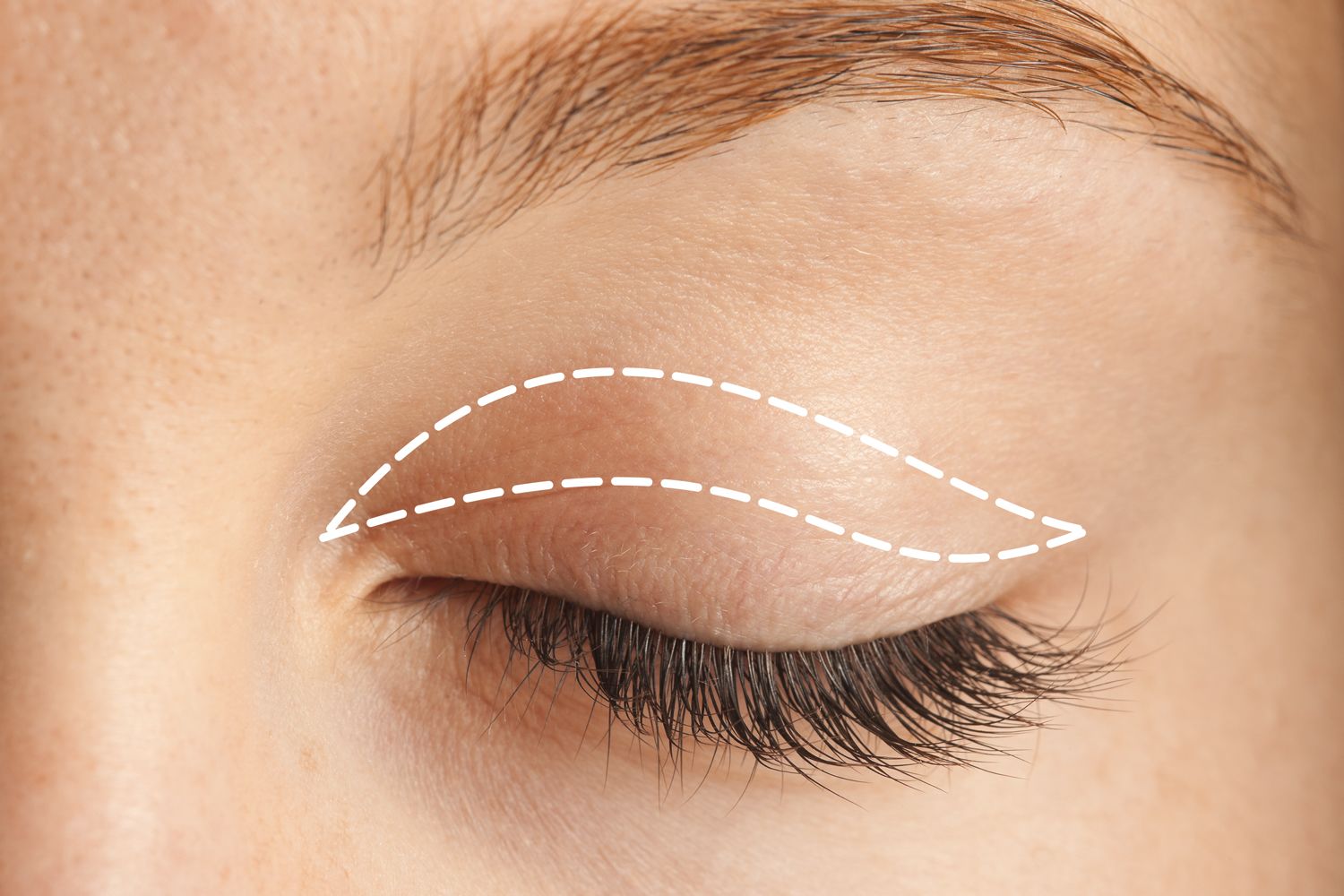
The procedure involves creating a small incision along the upper lid to remove excess skin and reposition fat and muscle on the upper lids for a more youthful appearance. The result is a smoother, more defined eyelid crease that restores a natural, refreshed look.
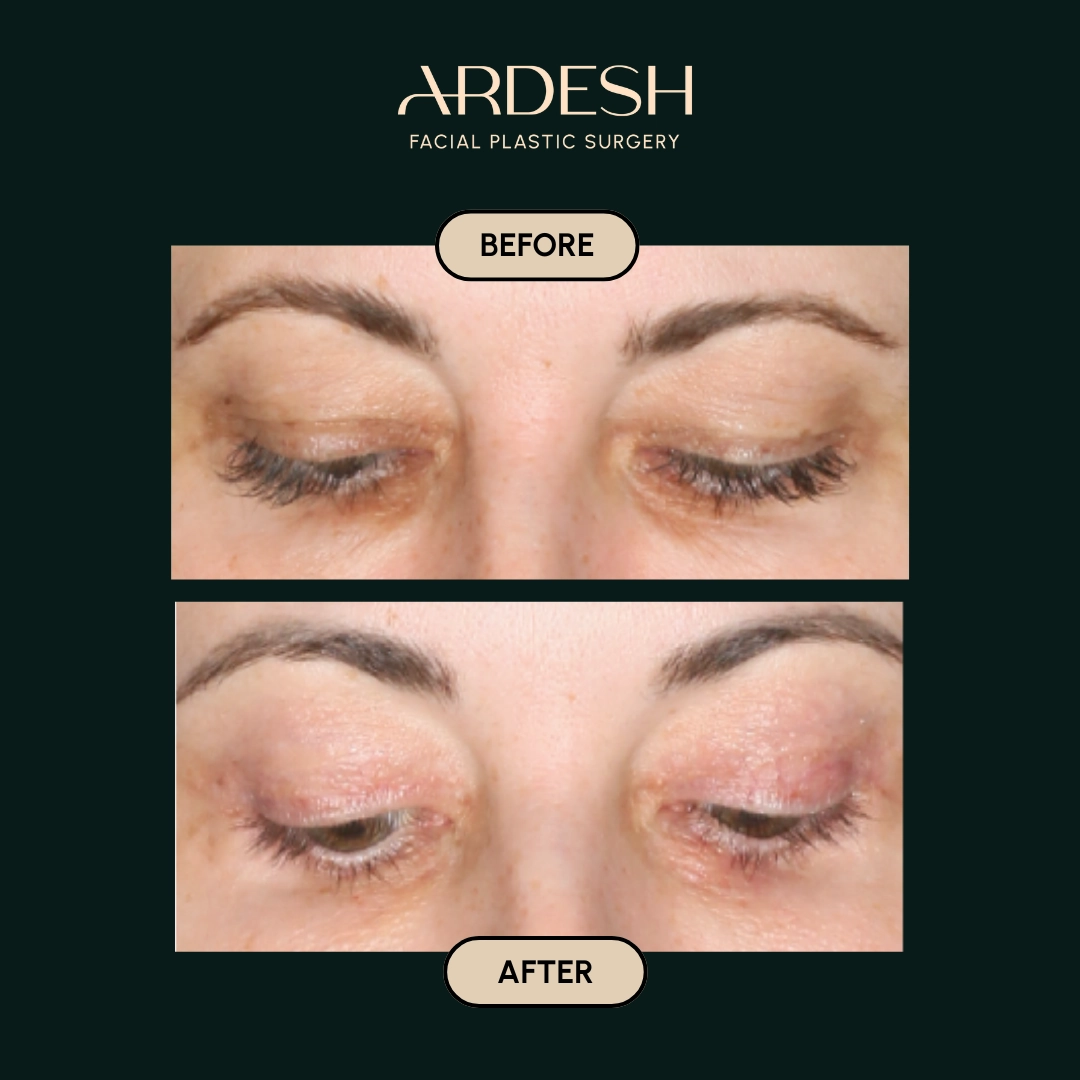
Real Patients.
Real Transformations.
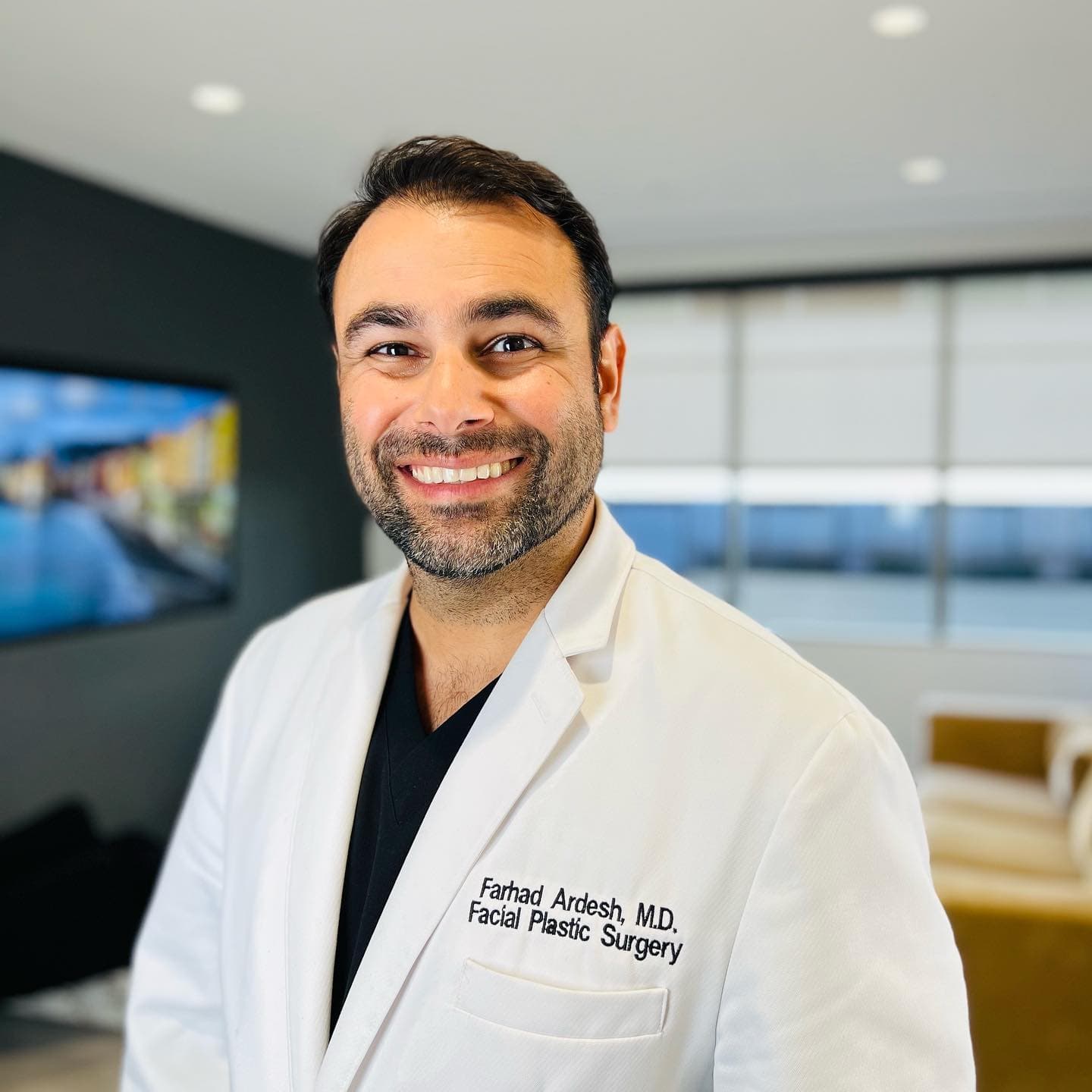
Meet Dr. Ardesh: Your Trusted Doctor for Rhinoplasty In Orange County
Dr. Ardesh is a double board-certified facial plastic surgeon specializing in rhinoplasty and nasal surgery. With years of experience and a deep understanding of facial anatomy, Dr. Ardesh offers a meticulous and personalized approach to rhinoplasty, ensuring optimal results for each patient. His expertise in reshaping nasal bones, cartilage, and tissues means that whether you're seeking aesthetic changes or improved breathing, you're in expert hands.

Why You Should Consider Eyelid Surgery
- Have drooping eyelids or sagging skin that affects their vision or appearance
- Experience puffiness or bags under the eyes due to excess fat.
- Are in good physical health and do not have significant circulatory disorders or cardiovascular disease.
- Have realistic expectations about the outcome of the surgical procedure
Functional vs. Cosmetic Blepharoplasty
Cosmetic blepharoplasty is performed to rejuvenate the appearance of the eyes by removing excess eyelid skin, reducing puffiness, and correcting hooded eyelids. The goal is to create a brighter, more refreshed appearance while maintaining natural facial expression.
Functional blepharoplasty may be recommended when excess upper eyelid skin obstructs the visual field or causes symptoms such as eye fatigue, forehead strain, or difficulty with daily activities. In these cases, eyelid surgery improves both vision and eyelid function while also enhancing appearance.
During your consultation, a comprehensive evaluation will determine whether your concerns are cosmetic, functional, or a combination of both.
Skin, Muscle, and Fat: The Key Components of Blepharoplasty
Successful blepharoplasty (eyelid surgery) involves much more than simply removing excess skin. Natural-looking blepharoplasty results depend on carefully evaluating the skin, muscle, and fat around the eyes to restore a refreshed, youthful appearance while preserving normal eyelid function.
Skin
As collagen and skin elasticity naturally decline with age, the upper eyelids can begin to droop, creating a tired or heavy appearance. During upper eyelid surgery, excess skin is carefully removed to improve eyelid contour, reduce hooding, and restore a brighter, more youthful look while maintaining natural eyelid function.
Muscle
The orbicularis oculi muscle plays an important role in eyelid movement and facial expression. Depending on your anatomy and aesthetic goals, selective muscle refinement may be performed during blepharoplasty surgery to improve eyelid contour while preserving natural movement and expression.
Fat
Aging can cause the eyelid fat pads to become more prominent, leading to puffy upper eyelids or under-eye fullness. Rather than removing excessive fat, a conservative approach using fat repositioning or selective reduction is often performed during eyelid surgery to create smoother, long-lasting, and natural-looking results.
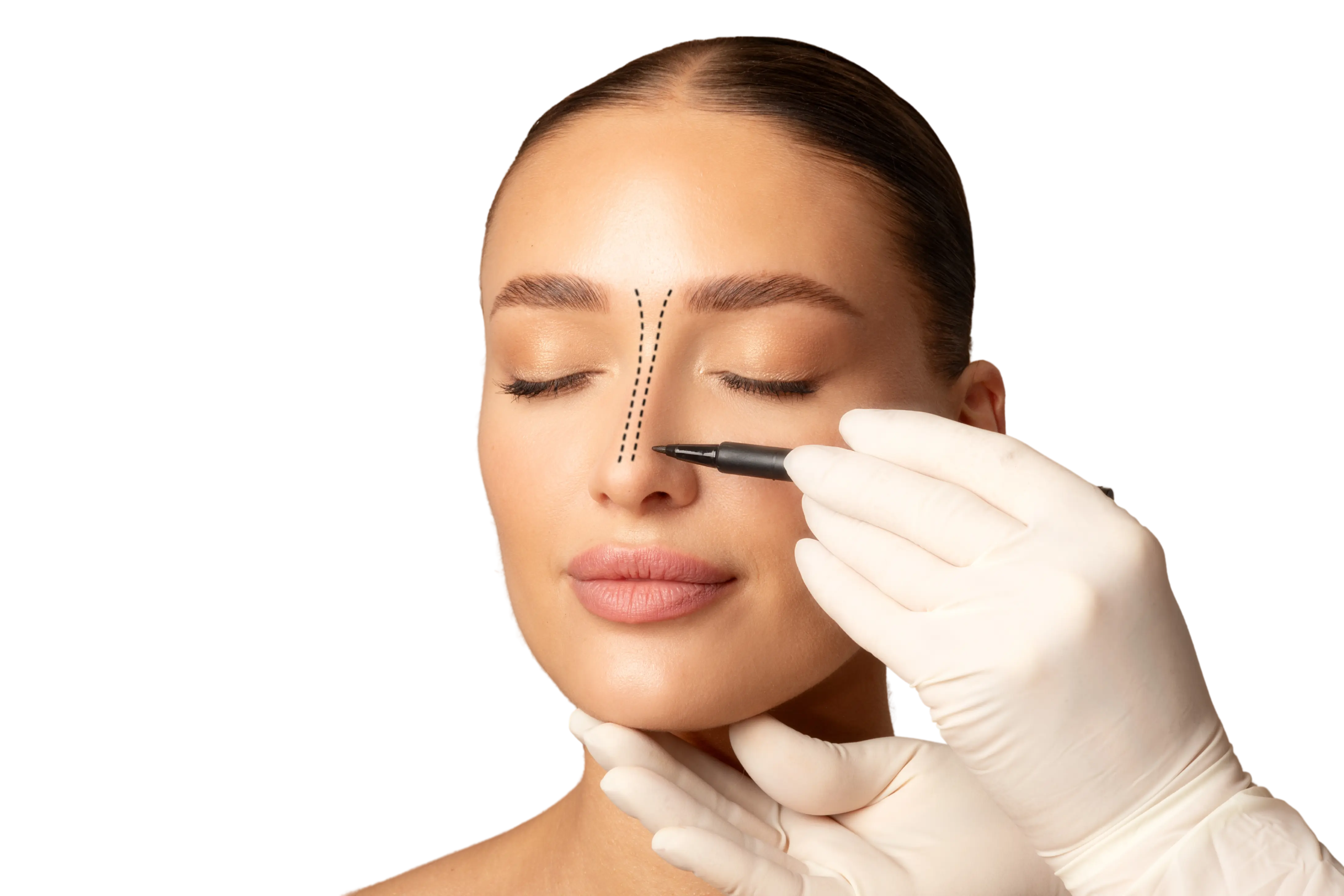
What does an eyelid procedure look like?
What Is Ptosis?
Ptosis is a condition in which the upper eyelid droops due to weakness of the levator muscle rather than excess skin alone. Because ptosis and hooded eyelids can appear similar, an accurate diagnosis is essential before treatment. When present, ptosis repair may be recommended alongside blepharoplasty to improve both eyelid function and cosmetic outcomes.
Blepharoplasty and Brow Lift
In some patients, heavy or hooded upper eyelids are primarily caused by drooping eyebrows (brow ptosis) rather than excess eyelid skin. In these cases, combining blepharoplasty with a brow lift can restore upper facial balance, open the eyes more effectively, and achieve longer-lasting, natural-looking facial rejuvenation.
Upneeq Eye Drops
Upneeq is a prescription eye drop that can temporarily lift the upper eyelid in selected patients with mild acquired ptosis. While it may provide a non-surgical improvement in eyelid position, it does not treat excess eyelid skin or replace blepharoplasty or ptosis repair when structural correction is required. During your consultation, Dr. Ardesh will carefully evaluate your eyelid anatomy, diagnose the underlying cause of eyelid drooping, and recommend the most appropriate treatment to achieve the best functional and aesthetic outcome.
Your Upper Eyelid Surgery Journey: What to Expect
The Consultation
A consultation with Dr. Ardesh will include a thorough review of your medical history, including any eye conditions and use of blood thinners. This helps determine if you're a good candidate for upper eyelid surgery and if other procedures, like a brow lift or lower eyelid surgery, would be beneficial to achieve your aesthetic goals.
The Procedure
The procedure is typically done under local anesthesia with sedation, or general anesthesia for complex cases. A small incision in the upper eyelid’s natural crease allows Dr. Ardesh to remove excess skin, fat, and muscle while repositioning underlying tissues to enhance the eyelid shape. Incisions are closed with fine sutures for minimal scarring, and cold compresses may be applied to reduce swelling.
Post-Op Care
Dr. Ardesh provides comprehensive aftercare instructions, including how to manage bruising and swelling and what to expect during your recovery. Cold compresses are recommended to reduce swelling around the eyelids.
What are the healing stages of a Blepharoplasty?
After upper eyelid surgery, you may experience mild swelling and bruising, but these symptoms typically subside within one to two weeks. Here's what to expect during the recovery process
- Apply cold compresses to the area surrounding the eyes to reduce swelling and bruising.
- Keep your head elevated to minimize discomfort and promote healing.
- Avoid strenuous activities and contact lenses for at least two weeks.
- Scarring is minimal, as the incision is made within the natural crease of the upper eyelid.
- Most patients can return to normal activities within 10-14 days.
Dr. Ardesh will schedule follow-up appointments to monitor your progress and ensure optimal healing. Any concerns about possible complications like bleeding, numbness, or infection will be addressed immediately.
Why Choose Dr. Ardesh
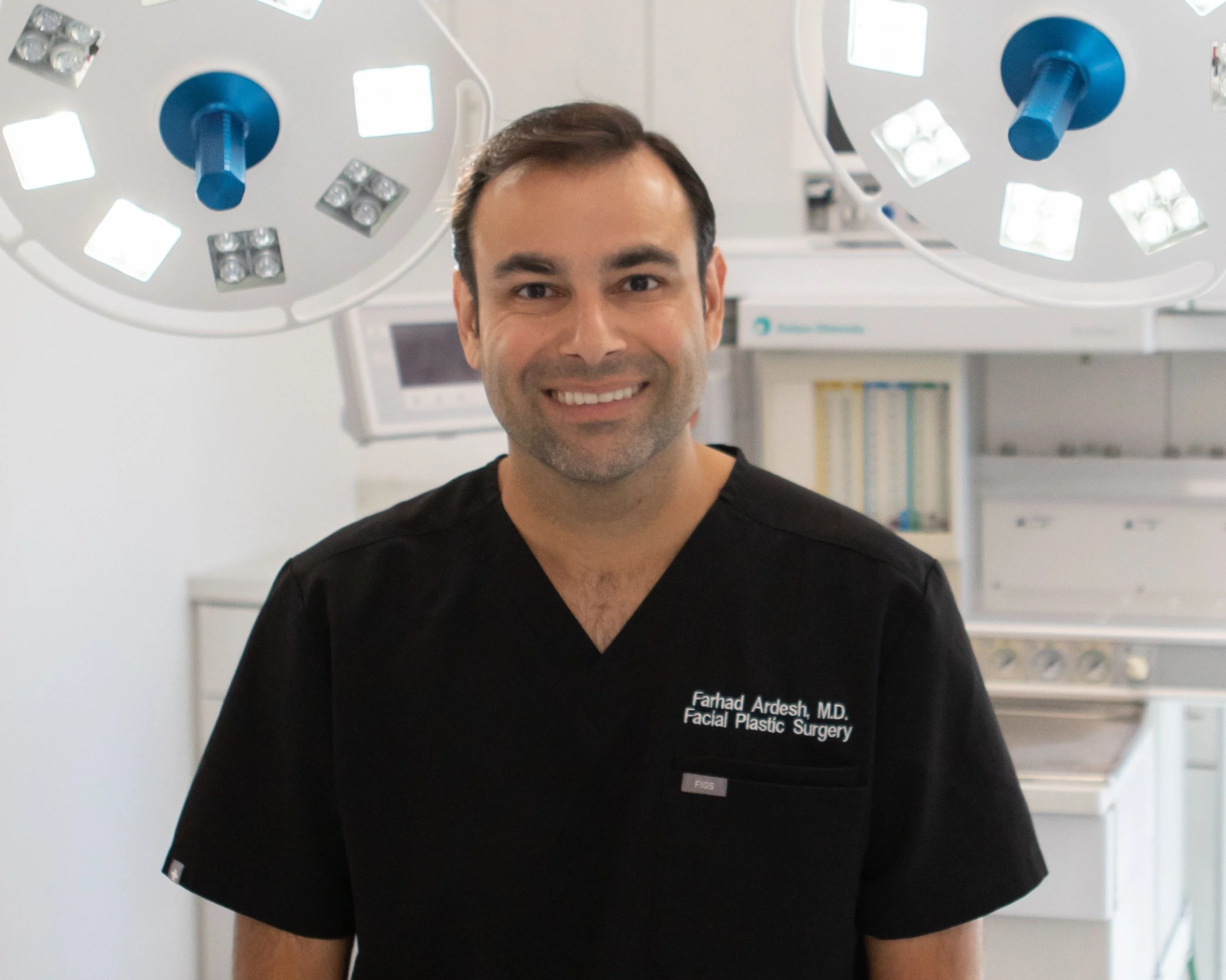
Dr. Ardesh, a double-board certified facial plastic and reconstructive surgeon, has delivered over 7,000 natural results with expertise and empathy. His focus is on creating a refreshed look—never a “worked on” appearance—which should always be a surgeon’s objective. With advanced training in minimally invasive techniques, Dr. Ardesh ensures minimal scarring, less pain, and shorter recovery times. Beautiful outcomes are achieved through careful listening, open communication, and a commitment to patient safety and comfort. His goal is to help you achieve your desired look that inspires confidence and joy.
Schedule a Consultation Today
Ready to rejuvenate your appearance with upper eyelid surgery? Contact Dr. Ardesh's clinic today to schedule your consultation. Our team is here to answer all your questions about the procedure, recovery, and cost. Take the first step toward a more youthful, refreshed look with expert care from Dr. Ardesh.