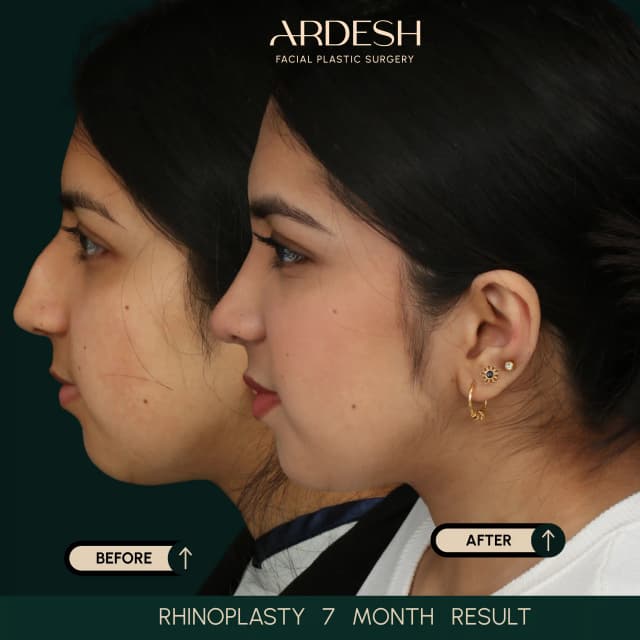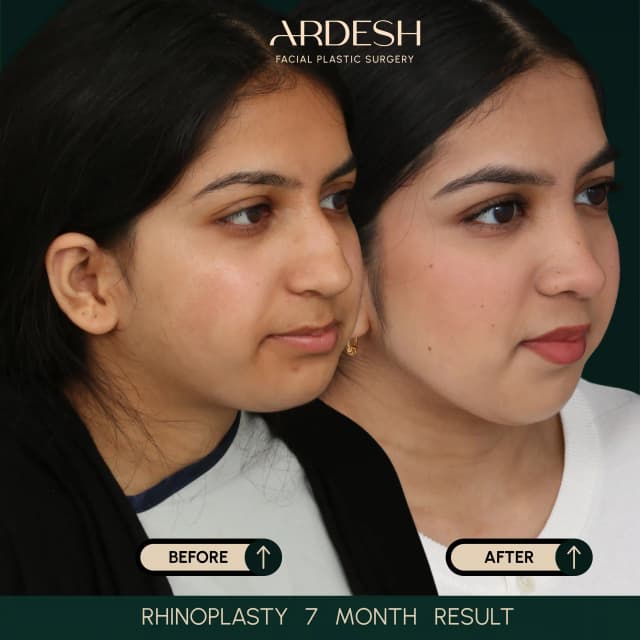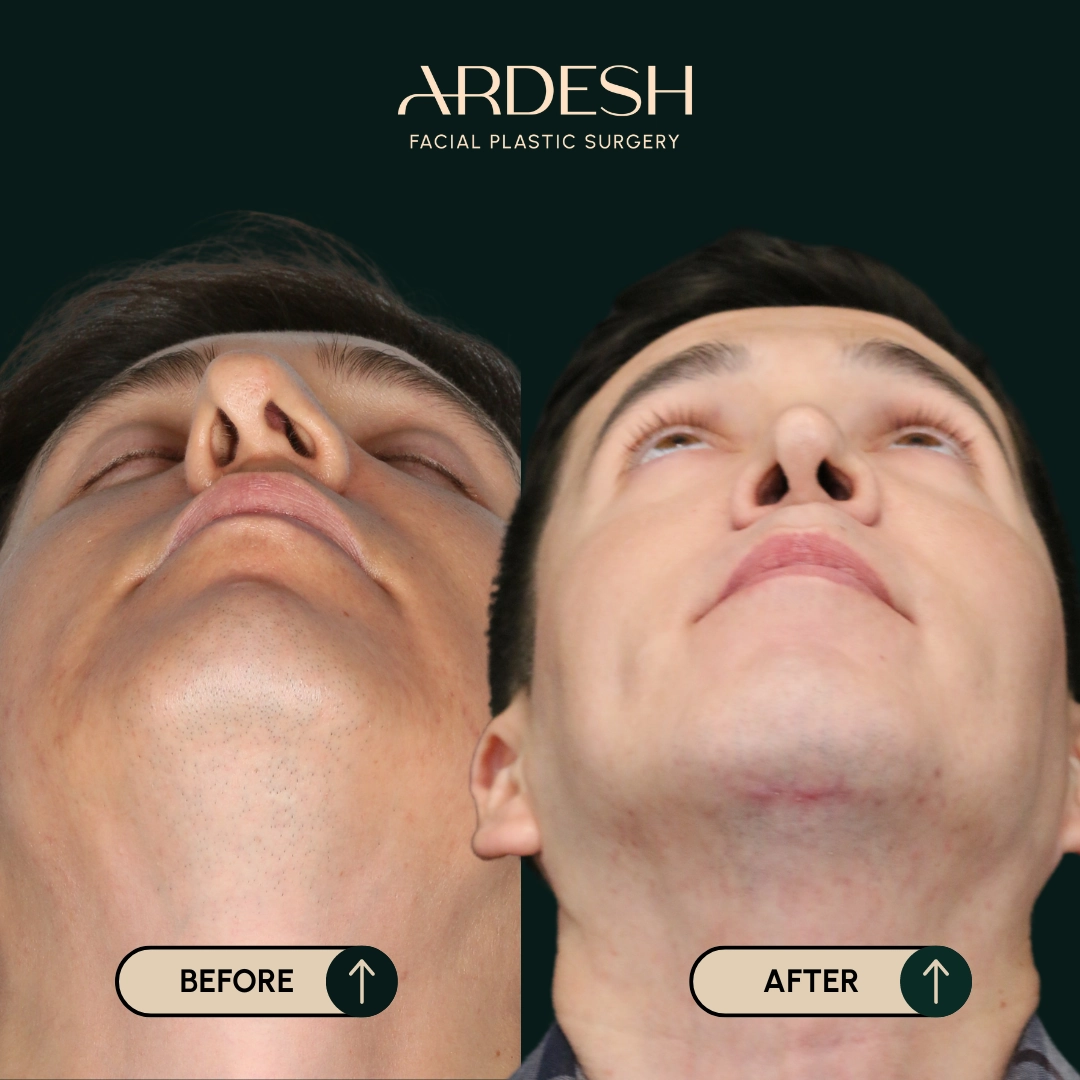
Yes, rhinoplasty can reduce the size or prominence of a nose, but successful treatment is not simply about making it smaller. The goal is to improve the nose in relation to the rest of the face while maintaining appropriate structure and function. Rhinoplasty can change nasal size, shape and proportions.
For patients considering rhinoplasty in Orange County, the first step is understanding exactly which part of the nose is creating the appearance of excessive size.
About Dr. Ardesh
Dr. Ardesh of Beauty Mark MD is a double board-certified facial plastic and reconstructive surgeon known for delivering thousands of refined, natural outcomes. With an academic background that includes teaching in head and neck surgery, ophthalmology, and dermatology at Loma Linda University, he later transitioned into private practice to focus on patient-centred care. His philosophy emphasises subtle enhancement rather than obvious alteration, earning him recognition as a leading plastic surgeon in Beverly Hills and Newport Beach.
Why Does a Nose Look Too Large?
A nose can appear large for different reasons. It may have:
- a prominent bridge or dorsal hump
- excessive tip projection
- a broad nasal tip
- a wide bridge
- wide or flared nostrils
- several of these features together
This distinction matters because rhinoplasty for a large nose should target the features creating the imbalance rather than reducing every part of the nose.
Can the Bridge Be Made Less Prominent?
A high bridge or dorsal hump can make the nose dominate the profile.
When appropriate, a rhinoplasty procedure can reshape the underlying bone and cartilage to reduce this prominence. Rhinoplasty commonly involves modifying nasal bone and cartilage to achieve the planned shape.
The amount of reduction should be chosen according to the patient's facial proportions rather than with the goal of creating the lowest possible bridge.
What If the Nose Projects Too Far From the Face?
Sometimes the issue is not overall size but projection, which describes how far the nasal tip extends from the face.
A highly projected tip can make the nose look larger from the side. Depending on the underlying anatomy, rhinoplasty may alter the cartilage supporting the tip to improve its position.
This requires careful planning because changing projection also affects the relationship between the tip and nasal bridge.
Can Rhinoplasty Narrow a Wide Nose?
Yes, certain areas of nasal width can be modified during rhinoplasty, but treatment depends on where the width originates.
A wide upper nose may involve the nasal bones, while a broad tip involves different structures. Wide nostrils may require changes around the nasal base. ASPS notes that rhinoplasty can address nose width and nostril size as well as overall nasal proportions.
A surgeon therefore evaluates the nose from several angles before determining which areas should be changed.
Does a Large Tip Need to Become Very Small?
Not necessarily.
A nasal tip may look large because it is broad, rounded, poorly defined or excessively projected. Skin thickness can also influence how much of the underlying cartilage definition is visible.
In some patients, reshaping and repositioning the tip can create sufficient refinement without trying to make it extremely narrow.
The objective is a tip that remains proportional to the bridge, nostrils and surrounding facial features.
Why Facial Balance Matters
Rhinoplasty is designed around facial proportions, not a universal ideal nose size. ASPS specifically lists nose size in relation to facial balance as an important consideration in rhinoplasty.
The surgeon may consider features such as the forehead, cheeks, lips and chin when planning the amount of nasal change.
This is why the same degree of reduction may look appropriate on one face but excessive on another.
A natural result should make the nose feel less visually dominant without looking disconnected from the rest of the face.
Why Maximum Reduction Is Not the Goal
The bone and cartilage of the nose do more than determine appearance. They also contribute to structural support.
Removing or altering nasal structures therefore needs to be carefully planned. Difficulty breathing is a recognized potential risk of rhinoplasty, which is one reason nasal function needs to be considered alongside cosmetic goals.
A well-planned rhinoplasty surgery may involve reshaping, repositioning or preserving structures rather than simply removing as much tissue as possible.
What Should You Tell Your Surgeon?
Instead of saying only:
“I want my nose smaller.”
Explain which view or feature bothers you most.
For example:
“My nose looks too prominent from the side.”
or:
“I like my profile, but my tip looks too wide from the front.”
This helps distinguish whether your main concern involves projection, bridge height, width, tip shape or the nasal base.
Reference photographs may also help communicate preferences, but they should not be treated as a guarantee that another person's nose can be reproduced. Mayo Clinic recommends discussing expectations clearly with the surgeon because rhinoplasty planning depends on individual anatomy and goals.
What Is a Realistic Result?
A realistic goal is not necessarily the smallest nose technically possible.
For many patients, the better outcome is a nose that appears:
- less prominent
- better proportioned
- more refined
- balanced from different viewing angles
- appropriate for the patient's natural facial structure
The amount of achievable change depends on individual bone, cartilage, skin and facial anatomy.
Considering Rhinoplasty in Orange County?
If you feel that your nose is too large for your face, an individual assessment can determine which features are actually responsible for that appearance.
Patients exploring rhinoplasty in Orange County can consult Dr. Ardesh to discuss nasal size, projection, width, tip shape and overall facial proportions.
Rather than simply asking how much smaller your nose can become, the consultation can help answer the more important question:
What degree of change can improve your nose while still looking balanced with your face?
Schedule a consultation with Dr. Ardesh to discuss your anatomy, concerns and realistic rhinoplasty options.