If you have been researching rhinoplasty but keep reading that thick skin can make surgery “more difficult,” you may be wondering one thing:
Can I still get a noticeably better-looking nose?
In many cases, yes. But the right result for a thick-skinned nose may look different from the ultra-sharp, highly sculpted noses often seen in edited photographs or selected before-and-after galleries.
With thick skin, successful rhinoplasty is less about trying to force extreme definition and more about creating stronger underlying structure, better proportions and a shape that remains visible beneath the skin.
Understanding that difference before surgery can help you set better expectations and have a much more useful consultation.
About Dr. Ardesh
Dr. Ardesh of Beauty Mark MD is a double board-certified facial plastic and reconstructive surgeon known for delivering thousands of refined, natural outcomes. With an academic background that includes teaching in head and neck surgery, ophthalmology, and dermatology at Loma Linda University, he later transitioned into private practice to focus on patient-centred care. His philosophy emphasises subtle enhancement rather than obvious alteration, earning him recognition as a leading plastic surgeon in Beverly Hills and Newport Beach.
First, How Do You Know If You Actually Have Thick Nasal Skin?
It is easy to assume you have thick skin because your nasal tip appears wide, rounded or poorly defined. However, appearance alone does not tell the whole story.
A broad-looking tip may be related to:
- the thickness of the skin and soft tissue
- the size or position of the tip cartilage
- weak cartilage support
- the width of the nostrils
- the overall width of the nasal framework
- a combination of several anatomical factors
This is why photographs cannot completely replace an in-person facial examination.
During a rhinoplasty consultation, the surgeon needs to assess both the outer skin envelope and the structure underneath it before explaining what can realistically be changed.
That distinction matters because two people who appear to have similar noses may require very different surgical approaches.
What Does Thick Skin Change About the Result?
Think of the skin of the nose as a covering placed over the cartilage and bone underneath.
With thinner skin, small structural changes underneath may become more visible on the surface.
With thicker skin, those same tiny changes may be less noticeable.
This means that a surgeon performing rhinoplasty surgery on a thick-skinned nose often has to think carefully about creating enough structural definition for the change to show through the skin without making the nose look unnatural.
The goal is not simply to remove more cartilage.
In fact, excessive reduction may work against the desired result if the remaining framework is not strong enough to support the overlying tissue.
For many thick-skinned patients, support and proportion can be just as important as reduction.
What Results Are Realistic With Thick Skin Rhinoplasty?
A successful result does not necessarily mean creating an extremely narrow or sharply pointed nose.
Depending on your starting anatomy, realistic improvements may include:
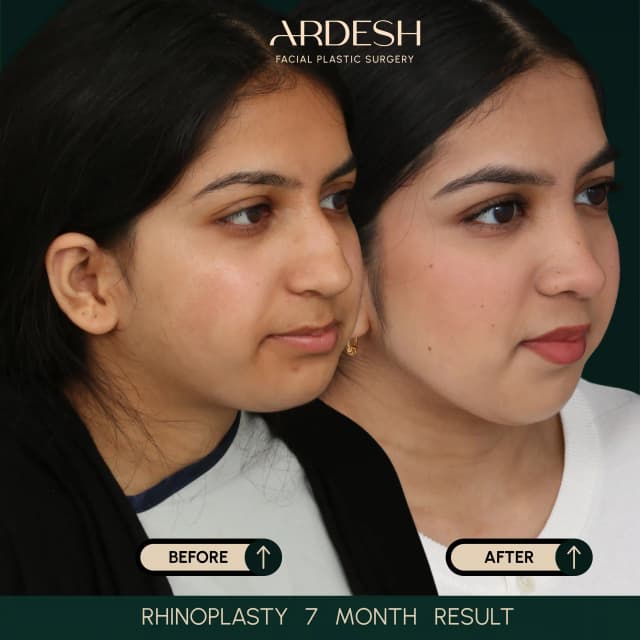
Better Tip Shape
A bulbous or poorly defined tip may be reshaped so that it looks more structured and proportionate.
However, a patient with very thick tip skin may not achieve the same razor-sharp tip definition as someone with naturally thin skin.
That does not mean the result cannot be attractive.
Often, improving the relationship between the tip, bridge and rest of the face produces a more meaningful change than trying to create an unnaturally tiny tip.
Improved Nasal Proportion
One of the most valuable goals of rhinoplasty is not making the nose as small as possible.
It is making it fit the face better.
Your surgeon may consider the nose in relation to your:
- forehead
- cheeks
- chin
- lips
- facial width
- side profile
A nose that appears large before surgery may look considerably more balanced after changes to its projection, bridge or tip, even if its overall size is not dramatically reduced.
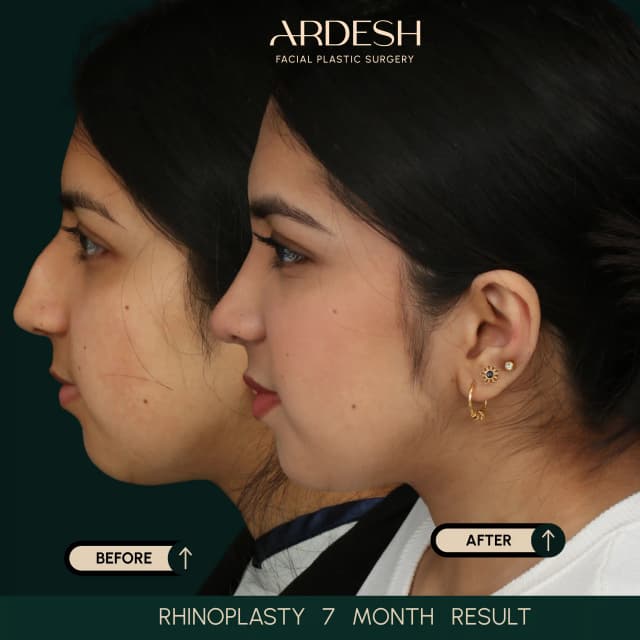
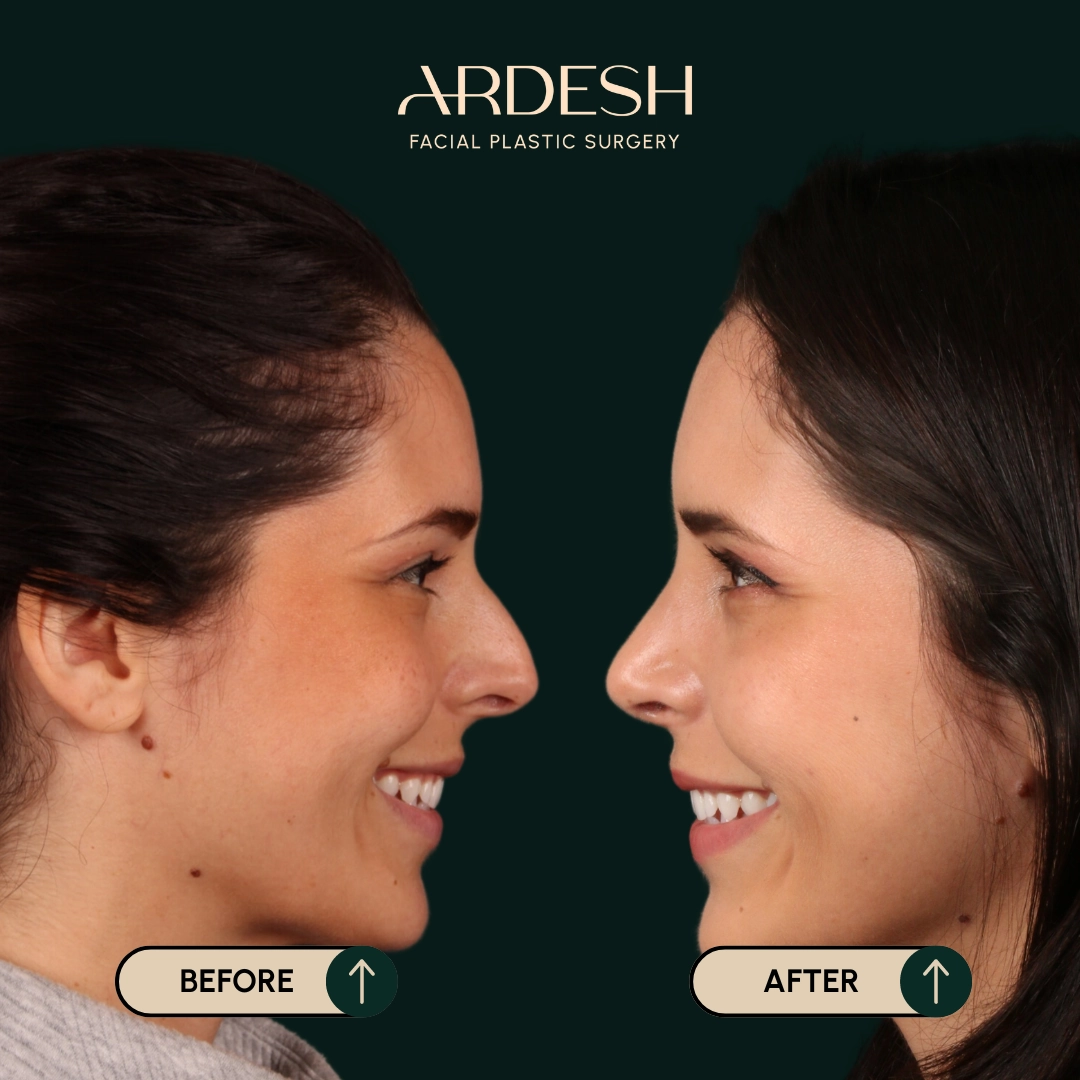
A More Refined Profile
Some patients are particularly concerned about how their nose looks from the side.
Depending on the anatomy, a rhinoplasty procedure may address concerns such as a prominent bridge, excessive projection or imbalance between the bridge and nasal tip.
For thick-skinned patients, improving the overall architecture of the nose can sometimes create a more noticeable change than concentrating exclusively on fine tip definition.
A Natural-Looking Tip Rather Than an Over-Operated Look
This is an important expectation to discuss.
Trying to create an extremely small or narrow nasal tip underneath thick skin may not necessarily produce the most attractive result.
A better objective may be a tip that looks:
- more organised
- better supported
- less bulbous
- better positioned
- proportional to the rest of the nose
Good rhinoplasty should suit the person's face rather than chase a single fashionable nose shape.
Why “Removing More” Isn't Always Better
Patients sometimes assume that if thick skin hides the underlying structure, the solution is simply to remove more cartilage.
Rhinoplasty is more complicated than that.
The cartilage forms part of the support system of the nose. Removing too much structure can potentially compromise the shape and support that the overlying tissue needs.
For certain patients, the surgical plan may instead involve reshaping, repositioning or supporting existing cartilage, and in some cases using cartilage grafting where clinically appropriate.
The exact approach depends on the individual's anatomy.
This is one reason thick skin rhinoplasty should not be planned according to a standard template.
Will My Nose Look Smaller?
Possibly, but "smaller" should be discussed carefully.
Patients may use that word to mean several different things.
You may actually want:
- a narrower-looking tip
- less projection
- a smoother bridge
- smaller-looking nostrils
- better balance from the front
- better facial proportion overall
These are different objectives.
During a consultation for rhinoplasty treatment, it is far more useful to point out exactly what bothers you than simply asking for a smaller nose.
For example:
“I like my profile, but my tip looks too round from the front.”
That gives the surgeon much more useful information than:
“I want a small nose.”
Thick Skin Can Also Affect the Healing Experience
Another important consideration is swelling.
Every surgical patient experiences some degree of swelling, but thick-skinned noses can retain visible swelling, particularly around the nasal tip, for longer.
This means you should not judge the final result too early.
The bridge may begin to look refined while the tip still appears fuller than expected. The nose can continue changing gradually as tissues settle.
This is particularly important when looking at your nose every day.
Small changes can be difficult to notice from one morning to the next.
Comparing photographs taken at appropriate intervals may give you a better understanding of how the shape is developing.
Your surgeon should explain the expected healing pattern based on your individual procedure.
Don't Choose Your Surgeon Based Only on a Perfect Before-and-After Photo
Before-and-after photographs are useful, but look at them critically.
Instead of asking:
“Do I like this nose?”
Ask:
“Did this patient start with anatomy similar to mine?”
If you have thick skin and a bulbous tip, a photograph of a thin-skinned patient who had a small bridge adjustment may tell you very little about your likely outcome.
During your consultation, consider asking whether the surgeon can show results involving patients with:
- thicker nasal skin
- a rounded or bulbous tip
- similar facial proportions
- concerns similar to yours
The objective is not to find somebody who looks exactly like you.
It is to understand how the surgeon approaches anatomical challenges similar to yours.
What About Rhinoplasty Cost?
The rhinoplasty costing cannot be accurately determined simply from whether someone has thick or thin skin.
The surgical plan may depend on the complexity of the anatomy, the changes required, whether previous nasal surgery has been performed and other individual factors.
This is why an accurate quote generally follows a proper consultation rather than being based only on photographs or a generic online price.
If you are considering rhinoplasty in Orange County, use the consultation not only to discuss price but also to understand exactly what the proposed surgery is intended to change.
The Most Important Question: Will You Be Happy With a Realistic Improvement?
Thick skin does not automatically prevent someone from being a candidate for rhinoplasty.
But expectations matter.
If your only acceptable result is an extremely tiny, sharply defined nose that does not suit your natural skin and anatomy, surgery may not meet that expectation.
If your goal is a nose that looks:
- more balanced
- better defined
- structurally refined
- proportional to your facial features
- natural rather than obviously operated on
then a personalised surgical assessment can help determine what may realistically be achievable.
Considering Thick Skin Rhinoplasty in Orange County?
If you are unsure whether thick nasal skin will limit your result, the most useful next step is not comparing yourself with more photographs online.
It is finding out what is actually creating the shape of your nose.
A consultation allows Dr. Ardesh to evaluate your skin thickness, nasal cartilage, bridge, tip, facial proportions and the specific changes you would like to see.
You can then discuss which improvements are realistic, what may be difficult to achieve and whether a rhinoplasty procedure is appropriate for you.
Schedule a rhinoplasty consultation in Orange County to receive an assessment based on your own anatomy rather than a one-size-fits-all expectation.
Frequently Asked Questions About Thick Skin Rhinoplasty
1. Can thick skin rhinoplasty improve a bulbous nasal tip?
Yes, depending on the underlying anatomy, rhinoplasty may improve a bulbous or poorly defined nasal tip. The surgeon may focus on reshaping, repositioning or supporting the underlying cartilage so that better definition remains visible beneath the thicker skin. The degree of refinement that can realistically be achieved varies from patient to patient.
2. How long does swelling last after thick skin rhinoplasty?
Thick-skinned noses can retain swelling, especially around the nasal tip, for longer than thinner-skinned noses. The bridge may appear refined earlier while the tip continues to change gradually. Your surgeon can explain the expected healing timeline based on your anatomy and the rhinoplasty procedure performed.
3. Can rhinoplasty make a thick-skinned nose significantly smaller?
Rhinoplasty may make the nose appear smaller or more balanced, but this does not always require dramatically reducing its overall size. Changes to tip projection, bridge shape, nostril appearance and facial proportion may create a noticeably more refined appearance. The appropriate amount of reduction depends on the structure and support of the nose.
4. Am I a good candidate for thick skin rhinoplasty?
Having thick nasal skin does not automatically prevent you from being a candidate for rhinoplasty. Candidacy depends on your nasal anatomy, cartilage support, concerns, overall health and expectations. An in-person consultation can help determine which changes may realistically be achievable and whether rhinoplasty is appropriate for you.