Recovering from rhinoplasty is a gradual process, and swelling is one of the most noticeable parts of that journey. Although many patients expect their nose to look close to the final result once the splint comes off, healing continues long after the initial recovery period. Understanding post-rhinoplasty swelling helps patients know what to expect, when to remain patient, and when to contact their surgeon.
Every rhinoplasty procedure affects the skin, cartilage, bone, and surrounding soft tissues. As the body repairs these structures, temporary swelling develops as part of the normal healing response. While the amount and duration of swelling vary from one patient to another, most changes follow a predictable pattern.
About Dr. Ardesh
Dr. Ardesh of Beauty Mark MD is a double board-certified facial plastic and reconstructive surgeon known for delivering thousands of refined, natural outcomes. With an academic background that includes teaching in head and neck surgery, ophthalmology, and dermatology at Loma Linda University, he later transitioned into private practice to focus on patient-centred care. His philosophy emphasises subtle enhancement rather than obvious alteration, earning him recognition as a leading plastic surgeon in Beverly Hills and Newport Beach.
Why Does Swelling Happen After Rhinoplasty?
During rhinoplasty surgery, the surgeon reshapes or repositions the nasal framework to achieve the planned aesthetic and functional outcome. Even with precise surgical techniques, the body's healing response begins immediately after the procedure.
Several natural processes contribute to swelling, including:
- Increased blood flow to the treated area
- Temporary disruption of lymphatic drainage
- Fluid accumulation within the soft tissues
- Inflammatory responses that support healing
- Ongoing collagen production and tissue remodelling
The extent of rhinoplasty swelling depends on several factors, including the complexity of the procedure, surgical technique, skin thickness, and individual healing characteristics.
Post-Rhinoplasty Swelling Recovery Timeline
Healing does not occur overnight. Every stage brings noticeable improvements, but complete refinement requires patience.
First Week
The first week typically involves the highest level of swelling.
Patients may experience:
- Moderate to significant swelling around the nose
- Bruising beneath the eyes
- Facial puffiness
- Temporary nasal congestion caused by internal swelling
- Mild discomfort that gradually improves
An external splint helps support the newly shaped nose while protecting the tissues during the early healing phase.
Weeks Two to Four
Once the splint is removed, many patients are encouraged by the visible improvement. However, internal healing is still underway.
During this stage, it is common to notice:
- Better definition along the nasal bridge
- Fullness around the tip
- Mild asymmetry
- Swelling that appears worse in the morning or after physical activity
These changes are considered normal and usually improve gradually.
One to Three Months
By this point, much of the visible swelling has resolved, and the nose begins looking more refined.
Patients often notice:
- Improved contour
- Better facial balance
- Reduced facial puffiness
- Continued firmness around the nasal tip
Although the appearance continues to improve, subtle tissue remodelling remains active beneath the skin.
Six to Twelve Months
As healing progresses, swelling continues to decrease.
Patients with thinner skin may notice their final definition sooner, while those with thicker skin often require additional time before subtle refinements become visible.
Twelve to Eighteen Months
For complex procedures, revision cases, or extensive tip reconstruction, complete healing may continue for up to 18 months.
The final appearance develops gradually as tissues soften and swelling fully resolves.
What Affects the Duration of Swelling?
Every recovery is unique. Several factors influence how long post-operative swelling lasts.
|
Factor |
Influence on Recovery |
|
Skin thickness |
Thicker skin generally holds swelling longer |
|
Surgical complexity |
More extensive procedures require longer healing |
|
Tip reshaping |
Tip swelling usually lasts the longest |
|
Revision rhinoplasty |
Additional scar tissue may prolong recovery |
|
Individual healing response |
Natural healing varies from person to person |
Understanding these factors helps patients develop realistic expectations throughout recovery.
Why Does the Nasal Tip Stay Swollen Longer?
The nasal tip is often the last area to fully heal because it contains delicate cartilage structures and has slower lymphatic drainage than other parts of the nose.
As a result, patients frequently notice:
- A rounded tip
- Temporary loss of definition
- Firmness
- Minor differences between the left and right sides
These findings do not represent the final result. As healing progresses, the tissues soften and the nasal tip gradually becomes more defined.
Is Uneven Swelling Normal?
Yes. One side of the nose often heals differently from the other during the first several months.
This temporary asymmetry may be caused by:
- Variations in lymphatic drainage
- Sleeping position
- Differences in tissue healing
- Localised inflammation
- Normal scar remodelling
In most cases, uneven swelling gradually settles without additional treatment.
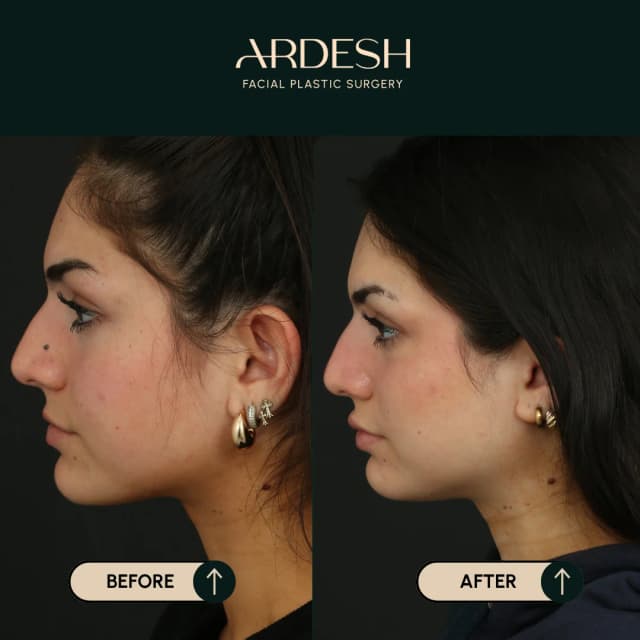
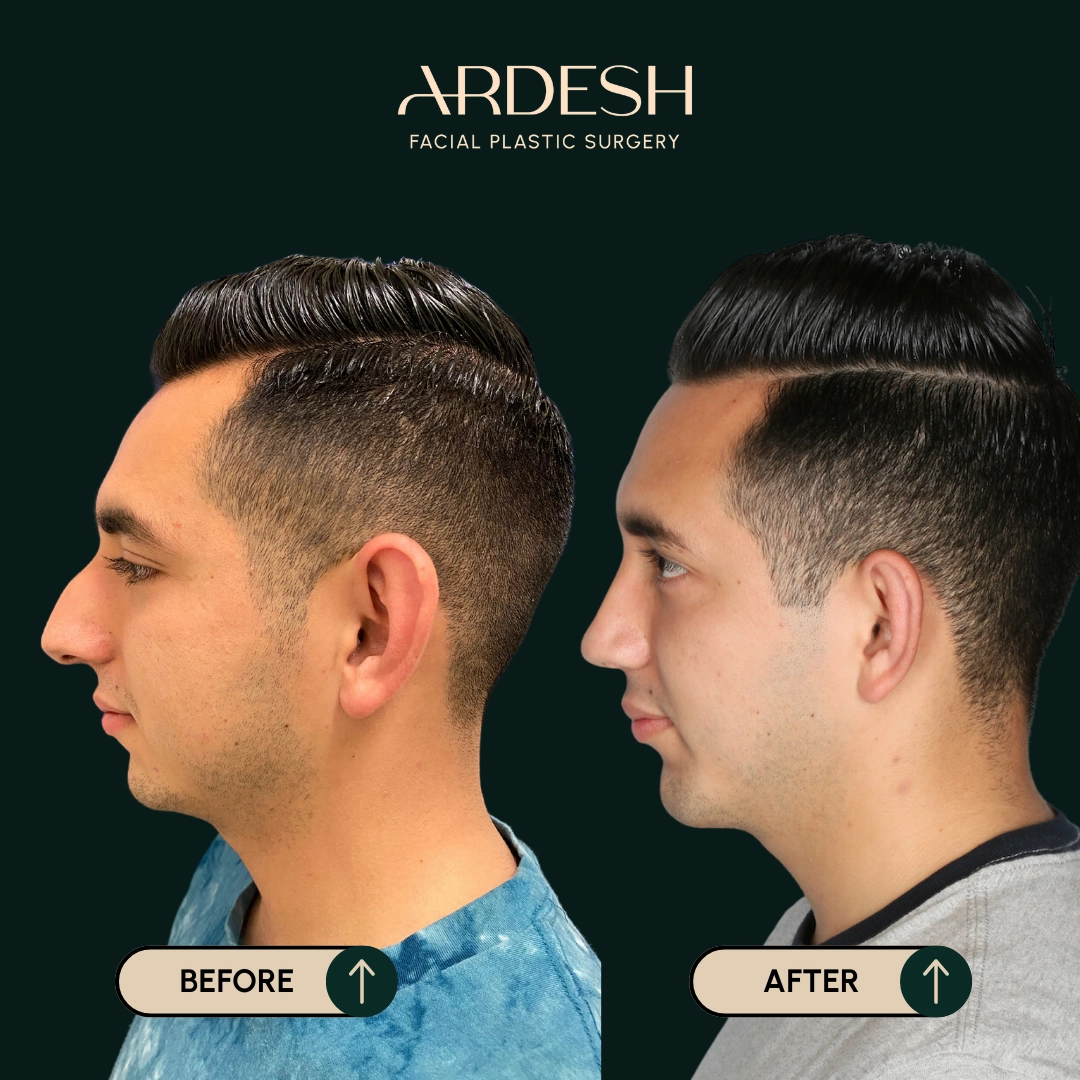
Comparing Your Recovery to Rhinoplasty Before and After Photos
Many patients search for rhinoplasty before and after photos to understand how their recovery should look. While these images are helpful for showing long-term surgical outcomes, they rarely illustrate the different healing stages experienced during recovery.
The appearance of your nose during the first few weeks or months should not be compared directly with final results shown in before-and-after galleries. Every patient heals at a different pace, making personalised follow-up appointments far more valuable than online comparisons.
What Is Considered Normal Post-Rhinoplasty Swelling?
Most patients experience predictable healing that gradually improves over time.
Normal signs include:
- Swelling that slowly decreases each month
- Mild morning puffiness
- Firmness around the nasal tip
- Small day-to-day changes in appearance
- Mild discomfort that continues to improve
- Healthy skin colour around the nose
These symptoms generally reflect normal tissue healing.
When Should You Contact Your Surgeon?
Although complications are uncommon, certain symptoms should never be ignored.
Seek medical advice if you notice:
- Rapid swelling on one side of the nose
- Increasing redness or warmth
- Severe or worsening pain
- Persistent bleeding
- Fever or chills
- Drainage with an unpleasant odour
- Difficulty breathing that becomes progressively worse
Prompt evaluation allows your surgeon to identify and manage potential complications early.
Can You Reduce Swelling Faster?
While post-rhinoplasty swelling cannot be eliminated completely, following your surgeon's recovery instructions supports healthy healing.
Helpful recommendations include:
- Sleep with your head elevated.
- Avoid strenuous exercise until approved.
- Stay hydrated.
- Eat a balanced diet that supports recovery.
- Avoid placing pressure on the nose.
- Attend all scheduled follow-up appointments.
Patients should never massage or manipulate the nose unless specifically instructed to do so by their surgeon.
Why Patience Matters During Recovery
One of the most important aspects of rhinoplasty recovery is understanding that healing takes time.
The nose seen immediately after splint removal is not the final result. Internal tissues continue to settle, swelling gradually decreases, and subtle refinements become visible over many months.
Experienced facial plastic surgeons evaluate recovery over the long term rather than judging the outcome during the early healing stages.
As your nose continues to heal, it's important to judge your results only after swelling has had time to settle. If you're concerned about achieving a natural appearance, Why Do Some Rhinoplasties Look Fake? A Surgeon Explains explores the surgical techniques that contribute to balanced, long-lasting results. And if you're still researching surgeons, Rhinoplasty Red Flags: How to Spot a Bad Surgeon outlines the warning signs to watch for, including the importance of realistic recovery guidance and comprehensive postoperative care.
Recover with Confidence Under the Care of Dr. Farhad Ardesh
Understanding post-rhinoplasty swelling is an important part of achieving a successful surgical outcome. Dr. Farhad Ardesh combines advanced surgical expertise with comprehensive postoperative care, carefully monitoring each stage of recovery while creating results that preserve facial harmony and natural balance.
Patients searching for experienced rhinoplasty surgeons in Los Angeles often look for both technical expertise and attentive aftercare. Dr. Ardesh provides personalised treatment plans based on each patient's facial anatomy, aesthetic goals, and long-term wellbeing. If you are considering rhinoplasty or have questions about recovery, schedule a consultation to receive expert guidance tailored to your individual needs.