Difficulty breathing through one nostril after rhinoplasty deserves a more careful assessment than simply assuming the nose is "still healing." In the early postoperative period, swelling and internal congestion are expected. Persistent or worsening unilateral obstruction, however, may indicate that something more specific is affecting the nasal airway.
Patients researching rhinoplasty in Newport Beach, California, rhinoplasty in Los Angeles, or the cost of rhinoplasty in Beverly Hills should understand that rhinoplasty involves more than external appearance. Maintaining or improving nasal function is an important consideration during surgery.
About Dr. Ardesh
Dr. Ardesh of Beauty Mark MD is a double board-certified facial plastic and reconstructive surgeon known for delivering thousands of refined, natural outcomes. With an academic background that includes teaching in head and neck surgery, ophthalmology, and dermatology at Loma Linda University, he later transitioned into private practice to focus on patient-centred care. His philosophy emphasises subtle enhancement rather than obvious alteration, earning him recognition as a leading plastic surgeon in Beverly Hills and Newport Beach.
First, How Long Has It Been Since Surgery?
Timing provides important diagnostic context.
During the first several weeks after rhinoplasty surgery, the tissues inside the nose can remain swollen. Crusting, dried secretions and mucosal inflammation may also temporarily narrow one side more than the other.
Postoperative swelling is rarely perfectly symmetrical. Consequently, one nasal passage may feel substantially more restricted even when healing is progressing normally.
The concern changes when obstruction:
- Persists beyond the expected healing period
- Becomes progressively worse
- Was not present before surgery
- Causes significant mouth breathing
- Appears when inhaling deeply
- Is accompanied by pain, bleeding, discharge or other new symptoms
In these circumstances, examination by the operating surgeon or another appropriately qualified facial plastic surgeon is warranted.
Could Residual Swelling Be Blocking One Side?
Yes. Oedema of the nasal lining is among the more common explanations during early recovery following rhinoplasty nose surgery.
Swelling around the septum, turbinates or nasal valve can reduce the cross-sectional area available for airflow. Because the nasal airway is already relatively narrow, even modest tissue swelling can produce a noticeable change in breathing.
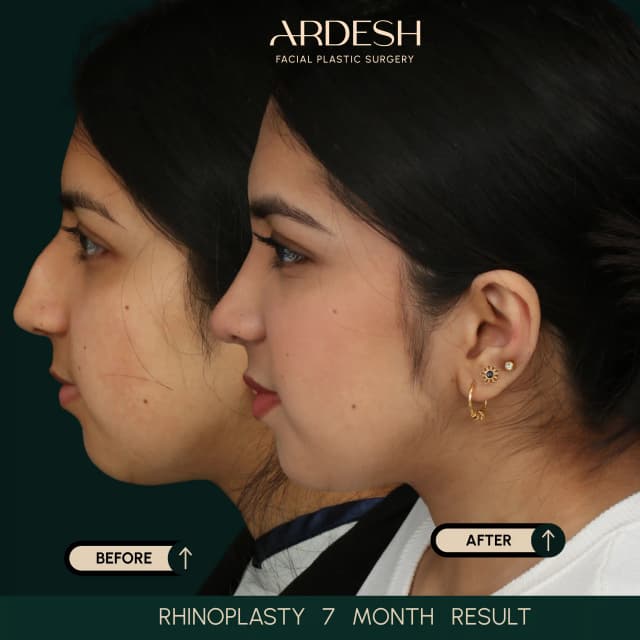
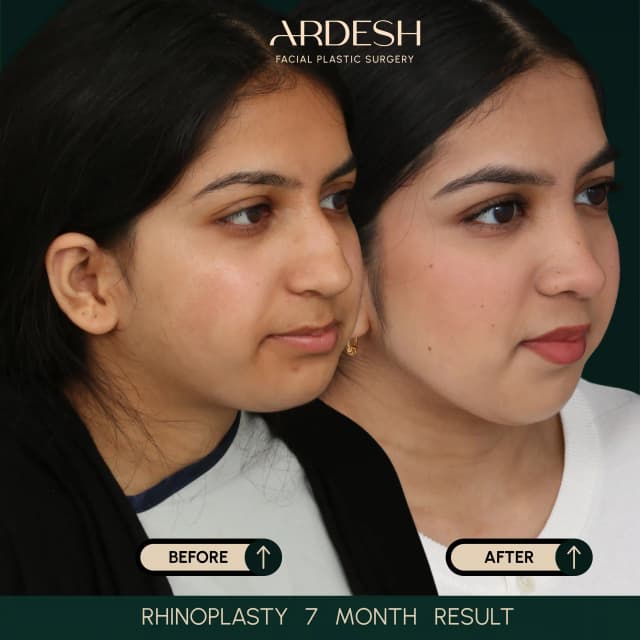
This is one reason patients should not judge their final breathing function from early rhinoplasty before and after observations.
A Deviated or Residual Septal Deformity May Be Involved
The nasal septum separates the two nasal passages. If it remains deviated, becomes displaced during healing, or contains an untreated area of deviation, airflow can remain disproportionately restricted on one side.
A patient considering nose reshaping rhinoplasty may focus primarily on the bridge or tip, but functional assessment should also consider the internal nasal anatomy.
This distinction is particularly relevant when comparing rhinoplasty and nose job terminology. Cosmetic reshaping and functional nasal surgery can overlap, but they are not automatically the same procedure.
Nasal Valve Narrowing Is Another Possibility
The nasal valve is one of the narrowest regions of the nasal airway and has a major influence on airflow.
If structural support is inadequate or the nasal sidewall narrows after surgery, a patient may experience internal or external nasal valve compromise. Some people notice that the affected nostril or sidewall pulls inward during inspiration.
This type of problem requires anatomical evaluation. Someone seeking a best rhinoplasty surgeon in Newport beach, best rhinoplasty surgeon, or great rhinoplasty surgeon should therefore look beyond photographs alone and discuss functional breathing considerations during consultation.
Scar Tissue or Internal Adhesions Can Restrict Airflow
Healing naturally produces scar tissue. Occasionally, excessive internal scarring or an adhesion between neighbouring nasal surfaces can narrow the airway.
This may produce a persistent sensation that one passage is physically blocked.
Patients seeking a best rhinoplasty revision surgeon or considering revision rhinoplasty in Beverly Hills often require particularly careful evaluation because previous surgery changes the normal tissue planes and cartilage architecture.
Revision surgery should not be assumed to be necessary simply because breathing feels unequal. The underlying cause must first be identified.
What About the Turbinates?
Turbinates are structures along the lateral walls of the nasal passages that help condition inspired air. Enlargement or inflammation of a turbinate can contribute to obstruction, especially when another part of the nasal airway is already narrow.
Allergies, mucosal irritation and normal fluctuations in the nasal cycle may also make one side feel more congested at particular times.
This means obstruction following rhinoplasty in Newport Beach or rhinoplasty in Orange county is not automatically caused by a surgical structural problem.
Can Non-Surgical Rhinoplasty Fix Breathing Problems?
Generally, injectable treatments should not be viewed as a substitute for diagnosing structural airway obstruction.
Searches such as los angeles nonsurgical rhinoplasty and non surgical rhinoplasty before and after usually relate to external contour modification using injectable materials. They do not establish the cause of postoperative nasal obstruction.
A physical examination is necessary before deciding whether observation, medical management or further surgical treatment is appropriate.
When Should You Contact Your Surgeon?
Contact your surgeon if unilateral obstruction persists, deteriorates or feels significantly different from the expected recovery you were given. Prompt assessment is particularly important if breathing difficulty occurs with substantial bleeding, increasing pain, fever, foul discharge or rapidly increasing swelling.
Whether someone is researching rhinoplasty surgery nearby, rhinoplasty surgeons in Los Angeles, rhinoplasty temecula, rhinoplasty cost in Newport Beach, or rhinoplasty nose cost, surgical decision-making should not be based on location or cost alone. Nasal anatomy, breathing function, surgical objectives and the surgeon's experience with functional nasal assessment all matter.
A Functional Result Matters as Much as the Appearance
Successful rhinoplasty requires attention to both nasal appearance and airway function. Persistent obstruction through one nostril should therefore be evaluated rather than diagnosed from photographs or symptoms alone.
Dr. Ardesh's practice focuses on facial plastic and reconstructive surgery, including rhinoplasty, with locations in Beverly Hills and Newport Beach. Patients concerned about postoperative nasal appearance or breathing can schedule a consultation for an individual assessment.
FAQs
1. Is it normal for one nostril to breathe worse after rhinoplasty?
Temporary asymmetry in airflow can occur because postoperative swelling is not always equal on both sides. Persistent or worsening obstruction should be evaluated by your surgeon.
2. How do I know whether swelling or a structural problem is causing the blockage?
Symptoms alone usually cannot establish the cause. Examination of the septum, nasal valves, turbinates and internal healing is needed to identify where airflow is being restricted.
3. Can rhinoplasty cause nasal valve collapse?
Changes in nasal structural support can contribute to nasal valve narrowing or collapse in some patients. Diagnosis requires assessment of the internal and external nasal valves rather than appearance alone.
4. Does difficulty breathing mean I need revision rhinoplasty?
No. Swelling, mucosal inflammation, septal deviation, turbinate enlargement, scarring and nasal valve problems can produce similar symptoms. Revision surgery should only be considered after the cause has been established.
5. How long should I wait before worrying about nasal obstruction?
Recovery varies according to the procedure and individual healing. Follow the timeline provided by your surgeon, but report significant, worsening or persistent unilateral obstruction rather than waiting indefinitely.