Losing 30 pounds is an achievement that deserves recognition. It often reflects months of discipline, healthier eating habits, and consistent physical activity. Patients frequently expect that weight loss will sharpen their facial definition, improve their jawline, and create a more youthful appearance.
Yet for some, the mirror tells a different story.
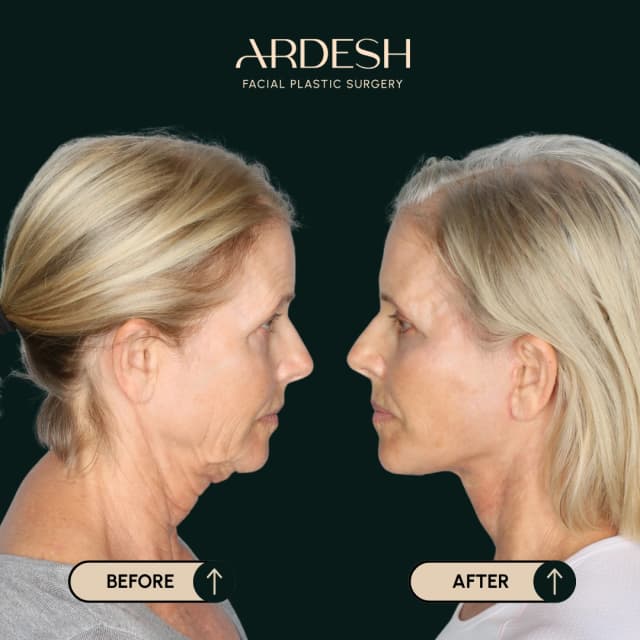
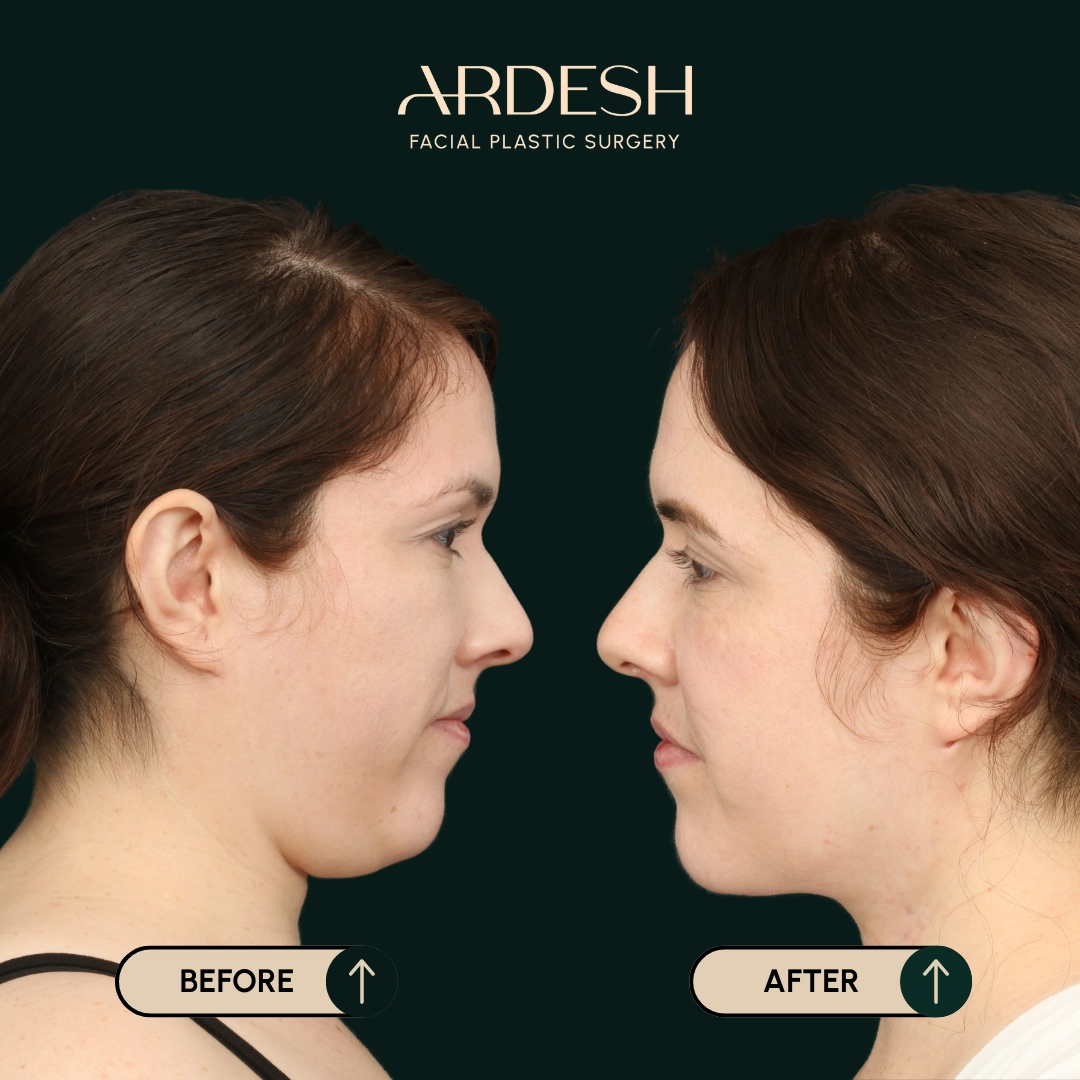
Instead of a tighter profile, they notice loose skin beneath the chin, prominent neck bands, or an unexpectedly aged appearance around the neck. It can feel confusing and discouraging. After making a significant investment in their health, many are left wondering why their neck suddenly appears older than before.
This phenomenon is far more common than most people realise. In facial plastic surgery, neck sagging after weight loss is a well-recognised anatomical consequence of tissue remodelling, not a sign that weight loss has failed.
Understanding why it happens requires looking beneath the surface of the skin.
About Dr. Ardesh
Dr. Ardesh of Beauty Mark MD is a double board-certified facial plastic and reconstructive surgeon known for delivering thousands of refined, natural outcomes. With an academic background that includes teaching in head and neck surgery, ophthalmology, and dermatology at Loma Linda University, he later transitioned into private practice to focus on patient-centred care. His philosophy emphasises subtle enhancement rather than obvious alteration, earning him recognition as a leading plastic surgeon in Beverly Hills and Newport Beach.
Weight Loss Removes Volume, But It Cannot Restore Skin Elasticity
One of the biggest misconceptions is that skin automatically contracts to match a smaller body.
Human skin does have elastic properties, but these are not unlimited.
When the body experiences prolonged stretching, whether from weight gain, ageing, or natural changes in tissue quality, the collagen and elastin fibres responsible for recoil gradually weaken. Once these structural proteins lose their integrity, the skin's ability to retract becomes increasingly limited.
As fat volume decreases, the skin may no longer have enough internal support to maintain a firm contour.
The result is excess skin that drapes over the underlying anatomy, particularly in areas where the skin is naturally thinner, such as the neck.
For many patients, neck sagging after weight loss is therefore not caused by the weight loss itself. Rather, weight loss reveals changes that had already developed within the skin's supporting framework.
The Neck Ages Differently Than the Rest of the Face
Patients are often surprised that their face appears slimmer and more defined while the neck appears looser.
This occurs because the neck has unique anatomical characteristics.
Compared with the midface, the neck contains:
- Thinner skin
- Less structural support
- A broad superficial muscle called the platysma
- Delicate connective tissue layers
- Constant movement throughout daily life
These factors make the neck especially susceptible to age-related changes.
Even modest reductions in fat volume can expose underlying laxity that previously went unnoticed.
This explains why many healthy individuals experience disproportionate ageing beneath the jawline despite achieving an excellent overall body composition.
Muscle Ageing Continues Even After Fat Disappears
The neck is supported not only by skin but also by the platysma muscle.
Over time, this broad muscle gradually loses tone and may separate along its central borders. This process creates the vertical bands commonly associated with an ageing neck.
Importantly, losing weight does not reverse these muscular changes.
In fact, once surrounding fat diminishes, separated platysmal bands often become even more visible.
Patients frequently believe they have developed new neck problems after losing weight.
In reality, the underlying muscular changes were already present but had been concealed beneath a thicker layer of subcutaneous fat.
Rapid Weight Loss May Accelerate Visible Skin Laxity
The speed of weight loss also influences how the neck responds.
Gradual weight reduction allows tissues more time to adapt.
However, after significant or rapid weight loss, particularly following lifestyle changes or medical weight management programmes, the skin may not have sufficient time or biological capacity to remodel efficiently.
This is especially true in patients over 40, when collagen production naturally declines.
Factors that reduce skin recovery include:
- Reduced collagen synthesis
- Declining elastin quality
- Sun damage
- Smoking history
- Chronic dehydration
- Genetic predisposition
- Hormonal ageing
These variables explain why two patients who lose the same amount of weight can experience dramatically different outcomes.
Facial Fat Loss Can Make Neck Laxity More Noticeable
Facial fat is often misunderstood.
While excessive fat may soften facial definition, healthy facial fat also serves an important structural purpose.
It supports:
- The lower cheeks
- The jawline
- Soft tissue transitions
- Facial balance
As facial fat naturally decreases with ageing, or more rapidly following significant weight loss, the remaining skin may appear less supported.
Instead of creating sharper contours, excessive volume loss may exaggerate loose skin around the neck.
This explains why patients sometimes describe looking "older" despite becoming healthier overall.
The issue is rarely the weight loss itself.
It is the interaction between reduced volume, ageing tissues, and structural anatomy.
Why Exercise Cannot Tighten Loose Neck Skin?
One of the most common questions patients ask is whether strengthening the neck muscles will eliminate sagging.
Unfortunately, anatomy does not work this way.
Exercise can improve muscle tone beneath the skin, but it cannot:
- Replace lost collagen
- Remove redundant skin
- Repair separated platysma muscles
- Restore stretched connective tissue
Similarly, topical creams and cosmetic products may improve skin hydration but cannot reverse structural laxity once deeper support has deteriorated.
Successful treatment depends on correctly identifying which anatomical layer is responsible for the visible ageing.
When Neck Lift Plastic Surgery Becomes the Most Effective Solution?
When excess skin, platysmal separation, and tissue descent become significant, conservative treatments often reach their limits.
This is where neck lift plastic surgery offers a fundamentally different approach.
Rather than simply tightening the surface, surgery addresses the deeper anatomical structures responsible for neck contour.
A carefully planned neck lift may involve:
- Repositioning the platysma muscle
- Removing excess skin
- Refining neck contours
- Restoring jawline definition
- Improving cervicomental angle balance
Modern facial plastic surgery is not about creating an unnaturally tight appearance.
Its objective is to restore anatomical harmony while preserving each patient's natural facial identity.
Every Neck Requires an Individualised Surgical Plan
No two necks age identically.
Some patients primarily exhibit loose skin.
Others have significant platysmal banding.
Some retain excess fat beneath the chin despite weight loss, while others have almost no remaining fat but considerable skin redundancy.
This is why surgical planning cannot rely solely on photographs or body weight.
Comprehensive facial analysis evaluates:
- Chin projection
- Jawline support
- Skin elasticity
- Muscle integrity
- Facial proportions
- Tissue quality
- Overall ageing pattern
These findings determine whether an isolated neck lift, combined facial rejuvenation, or alternative treatment provides the most balanced long-term outcome.
Weight loss is only one reason neck skin can begin to sag. Even people who have never been overweight can develop a turkey neck because of genetics, aging, and natural tissue changes. If you're curious why this happens, read Why Skinny People Get Turkey Neck Too: The Real Cause Nobody Talks About, where we explore the lesser-known causes behind neck laxity.
A Healthier Body Should Be Matched by a More Confident Profile
Losing weight is one of the most positive decisions a person can make for their long-term health. However, it is understandable to feel disappointed when your neck does not reflect the same transformation.
The good news is that neck sagging after weight loss is a recognised anatomical condition with well-established surgical solutions. Understanding the underlying cause allows treatment to target the structures responsible rather than relying on ineffective creams or temporary fixes.
If you are considering a neck lift or exploring neck rejuvenation in Los Angeles, choosing a facial plastic surgeon with advanced expertise in neck anatomy is one of the most important decisions you can make.
At Dr. Ardesh Facial Plastic Surgery, every consultation is centred on personalised facial analysis and treatment recommendations designed to preserve your natural appearance. Whether you are exploring a neck lift, considering neck lift plastic surgery, or researching options for an affordable neck lift in Los Angeles, Dr. Ardesh focuses on creating refined, natural-looking neck contours that remain balanced with the rest of your face. Schedule a consultation to learn which approach is most appropriate for your unique anatomy and aesthetic goals.
Frequently Asked Questions
1. Is neck sagging after weight loss normal?
Yes. Significant weight loss often reveals loose skin, reduced tissue support, and age-related changes that were previously hidden by fat volume. It is a common concern among patients who achieve major weight-loss milestones.
2. Why does my neck look older even though my face looks slimmer?
Weight loss reduces facial volume, but it does not restore collagen, tighten loose skin, or repair ageing muscles. As a result, the neck may appear older even while the face becomes leaner.
3. Can exercise tighten loose skin beneath my chin?
Exercise improves muscle conditioning but cannot eliminate excess skin or correct platysma muscle separation. Structural neck ageing usually requires medical or surgical treatment.
4. What does neck lift plastic surgery correct?
A neck lift addresses excess skin, muscle laxity, tissue descent, and jawline definition to restore smoother, more youthful neck contours while maintaining natural facial proportions.
5. Who is a good candidate for neck rejuvenation in Los Angeles?
Patients who experience loose neck skin, visible muscle bands, or loss of jawline definition despite maintaining a healthy weight may benefit from a comprehensive evaluation by a facial plastic surgeon to determine the most appropriate rejuvenation approach.