A raised mole on the face is a common finding and, in most cases, not a cause for concern. Many people have facial moles that remain unchanged for decades, becoming little more than a familiar feature. Others, however, notice changes in size, colour, texture, or symptoms that prompt understandable questions about whether the mole should be assessed or removed.
Understanding the difference between a stable, benign mole and one that deserves professional evaluation is an important part of making informed decisions about your skin health. Likewise, if you are considering raised mole on face removal for cosmetic reasons, choosing the appropriate specialist and treatment approach can significantly influence the final aesthetic result.
About Dr. Ardesh
Dr. Ardesh of Beauty Mark MD is a double board-certified facial plastic and reconstructive surgeon known for delivering thousands of refined, natural outcomes. With an academic background that includes teaching in head and neck surgery, ophthalmology, and dermatology at Loma Linda University, he later transitioned into private practice to focus on patient-centred care. His philosophy emphasises subtle enhancement rather than obvious alteration, earning him recognition as a leading plastic surgeon in Beverly Hills and Newport Beach.
Most Raised Facial Moles Are Benign
The majority of raised moles are non-cancerous growths that develop from melanocytes, the pigment-producing cells within the skin. They may appear during childhood or adulthood and often remain stable throughout life.
A benign raised mole typically:
- Maintains the same size for many years
- Has a consistent colour
- Possesses smooth, well-defined borders
- Causes no pain or discomfort
- Shows little or no noticeable change over time
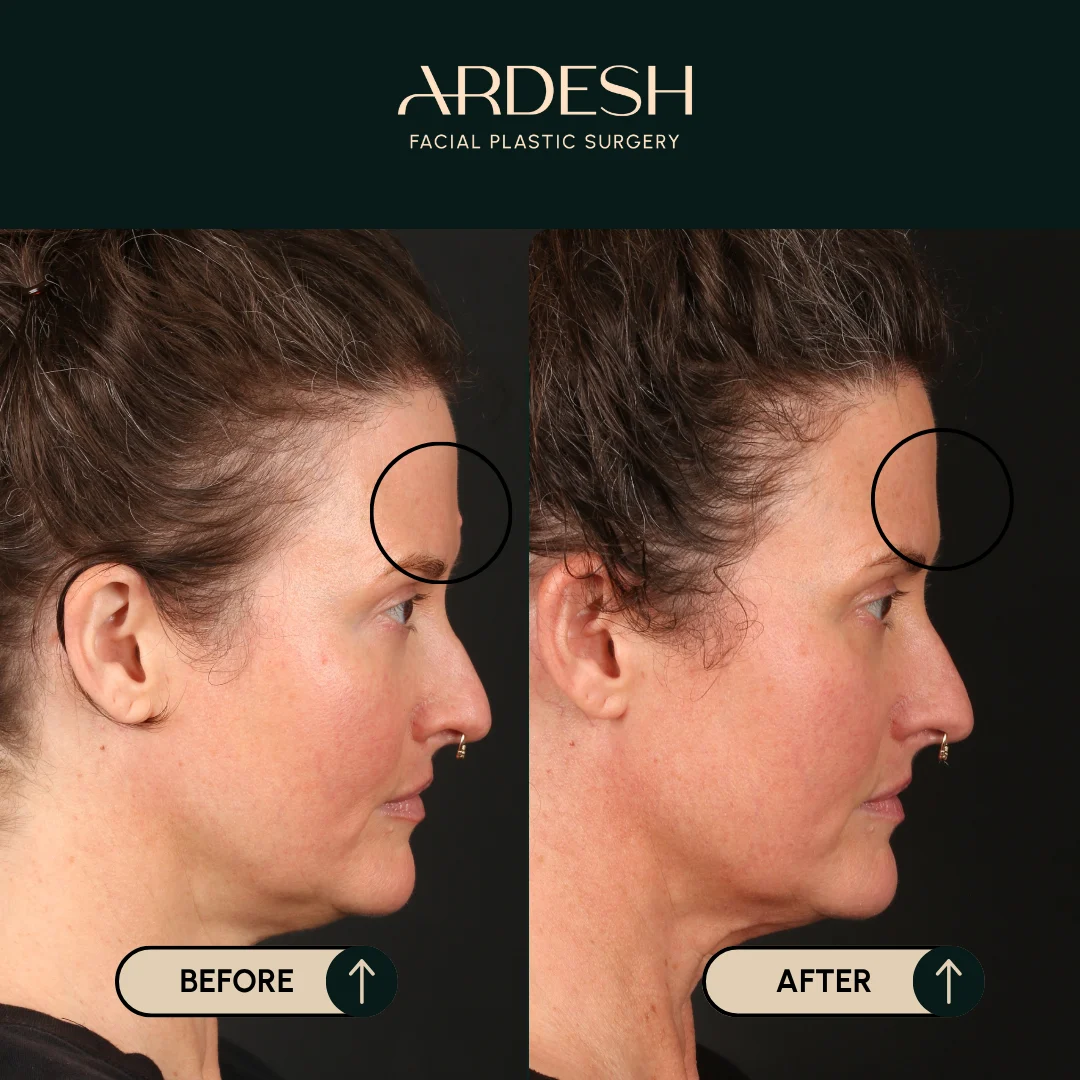
For many patients, the primary concern is cosmetic rather than medical. A mole located on the cheek, nose, eyelid, chin, or jawline may attract unwanted attention, interfere with shaving, or simply become a feature they no longer wish to keep.
In these situations, raised mole on face removal may be considered to improve facial aesthetics while preserving the natural appearance of the surrounding skin.
When Does a Raised Mole Require Medical Attention?
While most facial moles are harmless, no skin lesion should be assumed to be benign without appropriate evaluation if it begins to change.
Certain changes may indicate that a mole warrants further assessment, including:
- Noticeable growth over a relatively short period
- New or uneven pigmentation
- Bleeding without trauma
- Persistent itching
- Pain or tenderness
- Crusting or ulceration
- Changes in shape or border definition
These findings do not necessarily indicate skin cancer. Many benign lesions change for harmless reasons. However, they should be examined by a qualified medical professional before any decision about removal is made.
The first priority is always establishing an accurate diagnosis rather than proceeding directly to cosmetic treatment.
The ABCDE Guide to Assessing Moles
One of the most widely recognised methods for evaluating pigmented lesions is the ABCDE guideline.
A – Asymmetry
If one half of the mole differs significantly from the other, further assessment may be appropriate.
B – Border
Benign moles generally have smooth, clearly defined edges. Irregular, blurred, or uneven borders deserve closer evaluation.
C – Colour
Uniform pigmentation is generally reassuring, whereas multiple shades of brown, black, red, white, or blue within the same lesion should be professionally assessed.
D – Diameter
Larger lesions are not necessarily dangerous, but moles greater than approximately 6 mm may require closer observation, particularly if other concerning features are present.
E – Evolving
Perhaps the most important factor is change. A mole that has altered in size, colour, texture, or appearance should not be ignored.
While the ABCDE guideline provides useful general information, it cannot replace an experienced clinical examination.
Cosmetic Reasons for Raised Mole on Face Removal
Not every mole requires removal for medical reasons. In fact, many patients seek treatment simply because a facial mole has become cosmetically distracting.
Common reasons include:
- A prominent mole affecting facial balance
- Repeated irritation during shaving
- Friction from glasses or jewellery
- Difficulty applying makeup
- Personal preference and increased confidence
These are entirely valid reasons to consider treatment.
The decision to remove a benign facial mole should be based on informed discussion, realistic expectations, and careful surgical planning rather than urgency.
Why Facial Mole Removal Requires Precision
Removing a mole from the face is different from removing a lesion elsewhere on the body.
Every incision has the potential to leave a permanent mark. The objective is not simply to remove the mole but to achieve a result where the resulting scar is as inconspicuous as possible.
Several factors influence the cosmetic outcome, including:
- The size and depth of the lesion
- Skin quality
- Natural facial tension lines
- Surgical technique
- Closure method
- Individual healing characteristics
Even small differences in planning and execution can influence how well a scar blends into the surrounding skin.
This is one reason many patients choose a facial plastic surgeon for lesions located on highly visible areas of the face.
Why Professional Evaluation Should Always Come Before Removal
With increasing access to online advice and home-removal products, some patients are tempted to treat skin lesions themselves.
This approach carries unnecessary risks.
Removing a lesion without establishing an accurate diagnosis may:
- Delay recognition of an underlying skin cancer
- Result in incomplete removal
- Increase the likelihood of infection
- Produce unnecessary scarring
- Make future pathological evaluation more difficult
Professional assessment ensures that treatment decisions are based on clinical findings rather than assumptions.
Only after confirming the diagnosis should cosmetic removal be discussed.
Before deciding on treatment, it is equally important to confirm exactly what the skin lesion is. Not every raised bump on the face is a mole some are skin tags, while others are sebaceous cysts or different benign growths that require different management. If you are still unsure what you are looking at, understanding the differences explained in Mole vs Skin Tag vs Sebaceous Cyst can be valuable. Once the diagnosis is clear, comparing Facial Plastic Surgeon vs Dermatologist Mole Removal can also help you decide which specialist best aligns with your cosmetic and medical goals.
Dr. Farhad Ardesh's Approach to Raised Mole on Face Removal
Facial lesion removal requires more than technical surgical skill. It requires an understanding of facial anatomy, proportion, skin tension, and how scars mature over time.
As a board-certified facial plastic surgeon, Dr. Farhad Ardesh evaluates each lesion individually before recommending treatment. His approach begins with careful diagnosis to determine whether the mole is appropriate for cosmetic removal or whether additional medical evaluation is indicated.
When removal is appropriate, surgical planning focuses on preserving the natural contours of the face while placing incisions as discreetly as possible. Every recommendation is guided by the goal of achieving a result that appears balanced, refined, and natural rather than simply removing the lesion.
Final Thoughts
Most raised facial moles remain benign throughout life and never require medical treatment. However, any mole that changes in appearance, develops new symptoms, or raises concern should be professionally evaluated before removal is considered.
For patients seeking raised mole on face removal for cosmetic reasons, the quality of the final result depends on much more than removing the lesion itself. Careful diagnosis, meticulous surgical technique, and an understanding of facial aesthetics all contribute to achieving an outcome that preserves your natural appearance while minimising visible scarring.
Schedule a Consultation with Dr. Farhad Ardesh
If you are considering raised mole removal on the face, the first step is a thorough clinical assessment. Dr. Farhad Ardesh provides personalised evaluations to determine whether a lesion requires medical investigation or is suitable for cosmetic removal. Every treatment plan is developed with close attention to facial anatomy, long-term aesthetic balance, and scar minimisation.
Whether your concern is cosmetic, functional, or diagnostic, you can expect thoughtful recommendations tailored to your individual needs.
Discover The Molectomy™ Method by Beauty Mark MD™
The Molectomy™ Method by Beauty Mark MD™ is our signature approach to cosmetic mole removal and beauty mark refinement. Designed to prioritize natural-looking results, scar minimization, advanced healing, and facial harmony, it offers a refined solution for patients seeking comprehensive facial enhancement.
Frequently Asked Questions
Are raised moles on the face usually harmless?
In most cases, yes. The majority of raised facial moles are benign and remain stable for many years. However, any mole that changes in appearance should be professionally evaluated.
When should I be concerned about a raised mole?
Changes in size, colour, shape, bleeding, itching, pain, or persistent irritation should prompt assessment by a qualified medical professional.
Can raised moles be removed for cosmetic reasons?
Yes. Many patients choose removal because the mole affects facial appearance, interferes with shaving, or causes ongoing irritation. Cosmetic removal should only be considered after an appropriate clinical assessment.
Will mole removal leave a scar?
Any surgical procedure can leave a scar, but careful planning and meticulous technique can help minimise its visibility. The final appearance depends on several factors, including the location of the mole, surgical technique, and individual healing characteristics.
Why choose a facial plastic surgeon for facial mole removal?
Facial plastic surgeons specialise in procedures involving the face and neck. Their understanding of facial anatomy, aesthetic balance, and scar placement helps achieve natural-looking outcomes while prioritising both safety and cosmetic results.