Choosing the right surgeon is one of the most important decisions you'll make before undergoing rhinoplasty. Unlike many cosmetic procedures, rhinoplasty permanently changes one of the most intricate structures of the face. A successful outcome depends not only on surgical skill but also on a thorough understanding of nasal anatomy, breathing function, facial balance, and long-term healing.
Unfortunately, many revision procedures are performed because patients overlooked important rhinoplasty red flags during the consultation process. Learning how to identify these warning signs can help you avoid choosing a bad rhinoplasty surgeon and improve your chances of achieving a natural, functional, and long-lasting result.
About Dr. Ardesh
Dr. Ardesh of Beauty Mark MD is a double board-certified facial plastic and reconstructive surgeon known for delivering thousands of refined, natural outcomes. With an academic background that includes teaching in head and neck surgery, ophthalmology, and dermatology at Loma Linda University, he later transitioned into private practice to focus on patient-centred care. His philosophy emphasises subtle enhancement rather than obvious alteration, earning him recognition as a leading plastic surgeon in Beverly Hills and Newport Beach.
Rhinoplasty Requires Specialized Expertise
The nose is supported by a complex framework of bone, cartilage, ligaments, soft tissue, and internal structures that work together to provide both appearance and function.
Every adjustment made during surgery influences multiple parts of the nose simultaneously.
A qualified surgeon should have expertise in:
- Functional nasal anatomy
- Facial aesthetics
- Structural support techniques
- Airway preservation
- Wound healing
- Long-term tissue remodelling
This level of knowledge is generally developed through dedicated facial plastic surgery training rather than performing rhinoplasty as one of many cosmetic procedures.
Red Flag #1: No Comprehensive Facial Assessment
One of the earliest rhinoplasty red flags is a consultation that focuses only on the nose.
Experienced surgeons evaluate the entire face, including:
- Facial proportions
- Chin projection
- Skin thickness
- Nasal bridge
- Tip position
- Facial symmetry
- Dynamic facial movement
A great rhinoplasty surgeon understands that rhinoplasty should enhance overall facial harmony rather than simply change the shape of the nose.
Red Flag #2: Promises of the "Perfect Nose"
No surgeon can guarantee perfection.
Every patient heals differently, and factors such as cartilage quality, skin thickness, and tissue response influence the final result.
Be cautious if a surgeon says:
- "We'll make your nose perfect."
- "You'll look exactly like this celebrity."
- "Results are guaranteed."
An experienced surgeon discusses realistic improvements instead of making unrealistic promises.
Red Flag #3: Every Patient Receives the Same Surgical Plan
Every nose is different.
An individualized treatment plan should consider:
|
Patient Factor |
Surgical Consideration |
|
Skin thickness |
Degree of visible definition |
|
Cartilage quality |
Structural support strategy |
|
Nasal bridge |
Preservation or reduction approach |
|
Airway function |
Functional correction |
|
Facial proportions |
Overall facial harmony |
A bad rhinoplasty surgeon often relies on the same surgical approach for every patient instead of tailoring the procedure to individual anatomy.
Red Flag #4: Little Attention to Breathing Function
Rhinoplasty should never focus on appearance alone.
During consultation, your surgeon should evaluate:
- Septal deviation
- Internal nasal valve
- External nasal valve
- Turbinate anatomy
- Existing breathing concerns
Ignoring nasal function is one of the most significant rhinoplasty red flags, as it may increase the risk of breathing problems after surgery.
Red Flag #5: Aggressive Reduction Is the Only Goal
Modern rhinoplasty emphasizes preservation rather than excessive tissue removal.
Today's techniques prioritize:
- Structural preservation
- Cartilage conservation
- Tip support
- Functional stability
- Long-term durability
Patients should be cautious if the consultation revolves solely around making the nose dramatically smaller without discussing structural support.
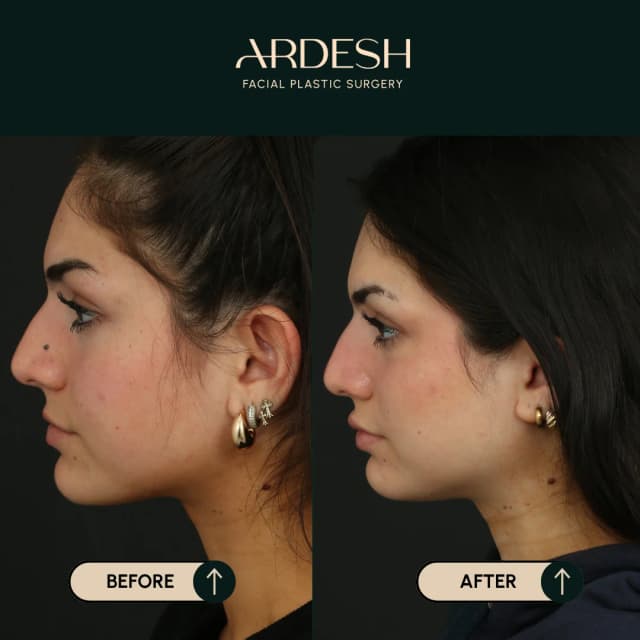
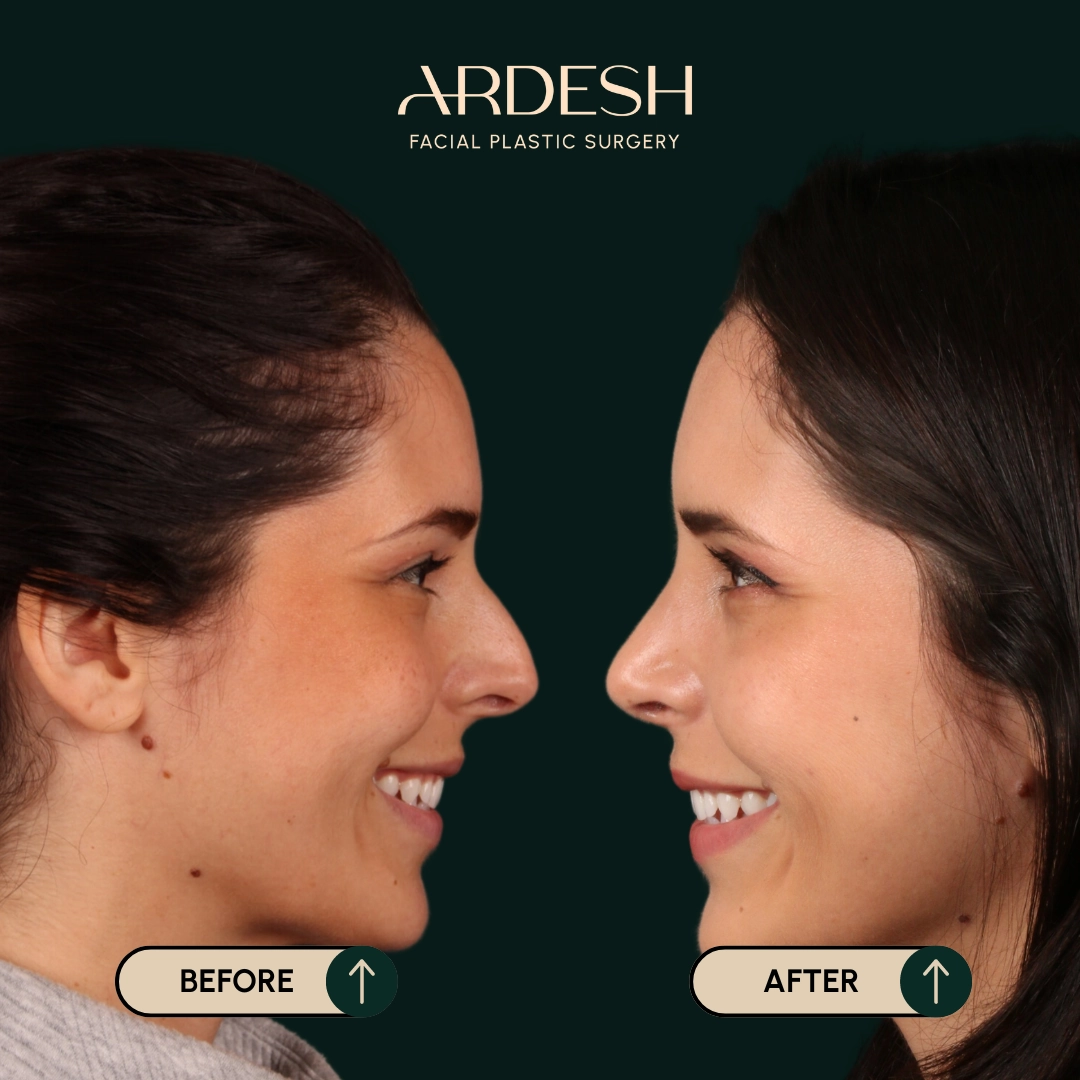
Red Flag #6: Before-and-After Results Lack Consistency
Reviewing before-and-after photographs is an important part of choosing a surgeon.
Look for results that show:
- Natural-looking outcomes
- Individualized treatment
- Preserved facial character
- Consistent quality
- Balanced proportions
Many patients researching rhinoplasty surgeons in Los Angeles compare galleries from multiple practices. Consistency across different patients often reflects thoughtful planning rather than a one-size-fits-all philosophy.
Red Flag #7: Risks Are Minimized
Every surgical procedure carries potential risks.
A thorough consultation should include discussion of:
- Swelling
- Healing variability
- Scar formation
- Breathing changes
- Revision surgery
- Recovery timeline
- Surgical limitations
A great rhinoplasty surgeon welcomes these discussions because informed patients make better decisions.
Red Flag #8: Revision Surgery Is Never Discussed
Although primary rhinoplasty has a high satisfaction rate, revision surgery is sometimes necessary.
Your surgeon should explain:
- Why revisions occasionally occur
- Healing variability
- Anatomical limitations
- Long-term tissue changes
- Factors beyond anyone's control
Avoid surgeons who imply that revision surgery is never needed, as this may indicate unrealistic counselling.
Red Flag #9: Decisions Are Based Only on Digital Imaging
Computer imaging can help communicate goals, but it cannot predict exactly how your nose will heal.
Digital simulations cannot account for:
- Scar maturation
- Skin contraction
- Cartilage memory
- Healing response
- Long-term tissue remodelling
These images should be treated as planning tools rather than guaranteed outcomes.
What Makes a Great Rhinoplasty Surgeon?
Instead of focusing solely on advertising or social media, look for qualities that consistently lead to better outcomes.
A great rhinoplasty surgeon typically demonstrates:
- Detailed facial analysis
- Advanced knowledge of nasal anatomy
- Preservation-focused techniques
- Attention to breathing function
- Personalized surgical planning
- Honest communication
- Comprehensive postoperative care
These characteristics are often far more important than marketing claims.
Choosing the right surgeon starts with asking the right questions to understand the discussion that can reveal a surgeon's approach to planning and patient care. If you're also worried about ending up with an unnatural-looking result, Why Do Some Rhinoplasties Look Fake? A Surgeon Explains explores the surgical decisions that often separate balanced, natural outcomes from those that appear overdone.
Choose Your Surgeon Carefully
Recognizing rhinoplasty red flags before surgery allows patients to make informed decisions and reduce the likelihood of revision procedures.
Whether you are comparing consultations locally or researching rhinoplasty surgeons in Los Angeles, take the time to evaluate experience, communication, surgical philosophy, and long-term patient care. Avoiding a bad rhinoplasty surgeon starts with asking the right questions and choosing someone who prioritizes both appearance and function.
Experience Matters When Choosing Your Rhinoplasty Surgeon
Understanding rhinoplasty red flags is the first step toward selecting the right surgeon. Dr. Farhad Ardesh is a board-certified facial plastic surgeon whose approach emphasizes structural preservation, functional integrity, and individualized facial analysis. Every treatment plan is designed around the patient's anatomy, goals, and long-term facial harmony.
Patients looking for experienced rhinoplasty surgeons in Los Angeles often seek a balance of technical expertise, natural-looking outcomes, and comprehensive postoperative care. If you're considering rhinoplasty, schedule a consultation with Dr. Ardesh to learn how a personalized, anatomy-driven approach can help you achieve refined and lasting results.