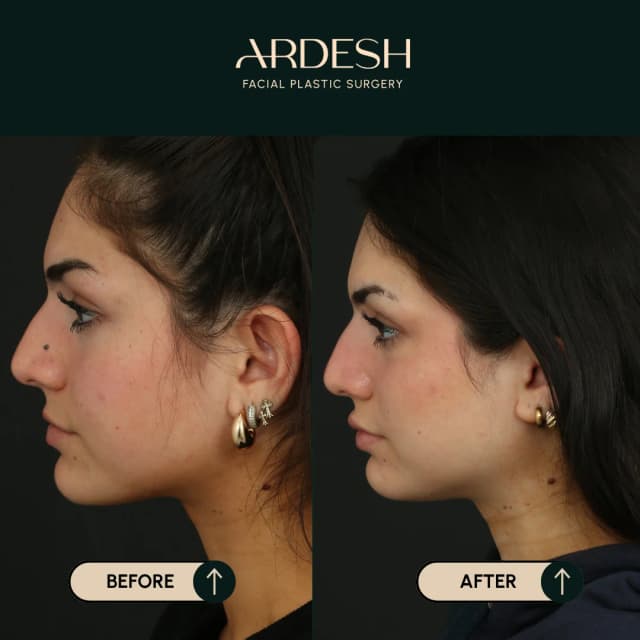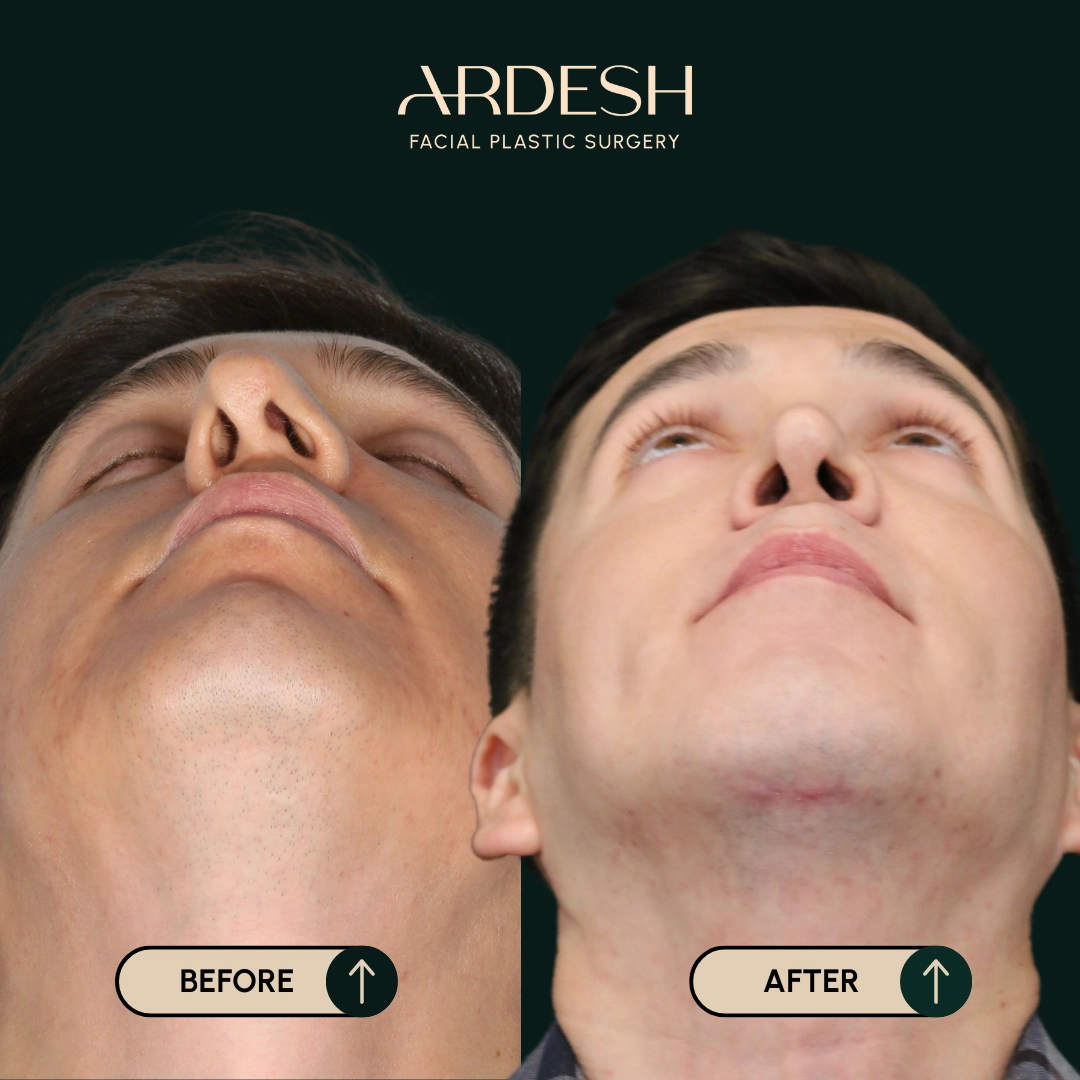
Adolescence is a period of continuous facial growth, and the nose is among the last facial structures to reach skeletal maturity. It is not uncommon for teenagers to become increasingly aware of their nasal appearance during these years, particularly if they have a prominent dorsal hump, asymmetry following trauma, or congenital nasal deformities. As a result, one of the most frequently asked questions during consultations is whether 15 is an appropriate age to undergo rhinoplasty nose surgery.
The answer is not determined by age alone.
The decision to proceed with surgery depends on skeletal maturity, nasal development, psychological readiness, functional concerns, and the stability of the patient's aesthetic goals. Understanding the minimum age rhinoplasty recommendations helps patients and parents make informed decisions while ensuring facial development is respected.
About Dr. Ardesh
Dr. Ardesh of Beauty Mark MD is a double board-certified facial plastic and reconstructive surgeon known for delivering thousands of refined, natural outcomes. With an academic background that includes teaching in head and neck surgery, ophthalmology, and dermatology at Loma Linda University, he later transitioned into private practice to focus on patient-centred care. His philosophy emphasises subtle enhancement rather than obvious alteration, earning him recognition as a leading plastic surgeon in Beverly Hills and Newport Beach.
Why Age Matters in Rhinoplasty
Unlike many cosmetic procedures, rhinoplasty and nose job procedures involve permanent modification of the osteocartilaginous framework of the nose. If surgery is performed before facial growth is complete, continued skeletal development may alter the surgical result and potentially affect both appearance and nasal function.
For this reason, facial plastic surgeons evaluate biological maturity rather than relying solely on chronological age.
The objective is not simply to achieve an aesthetically pleasing result today but to ensure the nose remains structurally stable and proportionate as the face reaches full maturity. This careful approach forms the basis of modern minimum age rhinoplasty guidelines.
When Does Nasal Growth Finish?
Facial growth occurs gradually throughout childhood and adolescence.
Although individual variation exists, research has shown:
- Most females reach nasal maturity between 15 and 16 years of age.
- Most males complete nasal growth between 16 and 18 years of age, sometimes slightly later due to prolonged skeletal development.
Because male facial growth often continues longer than female growth, surgeons are generally more cautious when considering rhinoplasty nose surgery in adolescent boys.
Growth completion is only one component of surgical planning. A comprehensive facial examination remains essential before determining candidacy.
Is 15 Too Young?
For many patients, 15 years of age is considered the lower threshold rather than the routine age for cosmetic rhinoplasty.
Whether surgery is appropriate depends on several clinical factors:
- Completion of nasal growth
- Stable facial skeletal development
- Absence of ongoing growth-related changes
- Emotional maturity
- Realistic expectations
- Understanding of the recovery process
A healthy 15-year-old with completed facial development and a well-defined anatomical concern may be considered differently from another teenager whose facial growth is still progressing.
Every assessment should therefore be individualized. Determining the minimum age rhinoplasty requires evaluating the whole patient rather than relying on age alone.
Cosmetic vs Functional Rhinoplasty
The reason for surgery also influences timing.
Cosmetic Rhinoplasty
Patients seeking improvement for concerns such as:
- Dorsal hump
- Nasal width
- Tip refinement
- Facial balance
are generally advised to wait until facial growth has stabilized before undergoing rhinoplasty and nose job procedures.
Functional Rhinoplasty
Earlier intervention may occasionally be appropriate when structural abnormalities significantly impair nasal function.
Examples include:
- Severe septal deviation
- Nasal obstruction
- Congenital deformities
- Traumatic nasal injuries affecting breathing
In these situations, improving nasal function may take priority while preserving future facial development whenever possible.
Assessing Skeletal Maturity
Chronological age alone cannot determine readiness for surgery.
During consultation, surgeons evaluate multiple anatomical and developmental factors, including:
|
Clinical Assessment |
Why It Matters |
|
Facial growth pattern |
Determines whether skeletal development is complete |
|
Nasal anatomy |
Guides surgical planning |
|
Septal development |
Preserves long-term structural support |
|
Skin thickness |
Influences postoperative definition |
|
Airway function |
Identifies functional concerns |
|
Facial proportions |
Ensures balanced aesthetic outcomes |
This comprehensive evaluation helps determine whether rhinoplasty nose surgery can be performed safely without compromising future development.
Psychological Readiness Is Equally Important
Successful surgery depends not only on anatomy but also on patient expectations.
Adolescents should understand that rhinoplasty and nose job procedures aim to improve facial harmony rather than achieve perfection.
Candidates should demonstrate:
- Personal motivation rather than external pressure
- Realistic expectations
- Emotional maturity
- Commitment to postoperative recovery
- Understanding of surgical limitations
Patients seeking surgery primarily because of social media trends or peer influence may benefit from additional time before making a permanent decision.
Why Waiting Can Improve Long-Term Results
One of the advantages of delaying surgery until facial maturation is complete is improved long-term predictability.
Operating after growth has stabilized allows the surgeon to:
- Evaluate final facial proportions
- Preserve structural integrity
- Reduce the likelihood of growth-related postoperative changes
- Improve long-term aesthetic stability
From a surgical standpoint, patience often contributes to a more durable outcome. This is one of the key reasons why minimum age rhinoplasty recommendations are based on individual development rather than a fixed number.
Every Teenager Is Different
There is no universal minimum age rhinoplasty recommendation that applies to every patient.
Two individuals of the same chronological age may differ significantly in:
- Skeletal maturity
- Facial growth
- Nasal anatomy
- Emotional readiness
- Surgical goals
For this reason, experienced facial plastic surgeons avoid making recommendations based solely on birth date.
Instead, the decision is guided by a comprehensive facial assessment and individualized treatment planning.
Age is only one part of the decision-making process. As facial features continue to change throughout life, it's worth understanding how timing can influence rhinoplasty at different stages. Our guide My Nose Is Still Changing After 30 – Here's What That Means for Surgery explains why age-related facial changes also matter later in adulthood. And when you're ready to meet a surgeon, The One Question You Must Ask Before Any Rhinoplasty Consultation can help you have a more informed and productive first consultation.
The Importance of Expert Evaluation
Adolescent rhinoplasty requires a careful balance between respecting ongoing facial development and addressing concerns that may significantly affect confidence or nasal function.
An experienced facial plastic surgeon understands the anatomical considerations unique to younger patients and develops treatment plans that prioritize both long-term structural stability and facial harmony.
Rather than focusing on achieving a smaller or trend-driven nose, the objective is to preserve normal anatomy while creating results that remain balanced as the face reaches full maturity after rhinoplasty nose surgery.
Discuss Your Options with Dr. Farhad Ardesh
Determining the appropriate minimum age rhinoplasty requires far more than considering chronological age alone. Dr. Farhad Ardesh performs comprehensive facial evaluations that assess skeletal maturity, nasal anatomy, airway function, and overall facial balance before recommending surgery. Whether patients are considering rhinoplasty and nose job treatment for cosmetic or functional reasons, his patient-centered approach ensures every treatment plan is based on long-term structural stability rather than short-term cosmetic trends.
If you or your family are considering adolescent rhinoplasty, schedule a consultation with Dr. Ardesh to receive an individualized assessment and expert guidance on the safest and most appropriate timing for surgery.