That skin tag on your neck isn't the size it used to be. It's hanging lower. Catching on your necklace more often. You can feel it's gotten bigger. So naturally you panic. Is it dangerous? The honest answer: probably not. But a skin tag growing isn't random.
Your body is responding to something specific. Understanding what triggers this change stops unnecessary worry and helps you decide if you need to do anything. Most of the time, a skin tag getting bigger is your body's way of saying something environmental is repeatedly irritating that spot, and you've got options.
About Dr. Ardesh
Dr. Ardesh of Beauty Mark MD is a double board-certified facial plastic and reconstructive surgeon known for delivering thousands of refined, natural outcomes. With an academic background that includes teaching in head and neck surgery, ophthalmology, and dermatology at Loma Linda University, he later transitioned into private practice to focus on patient-centred care. His philosophy emphasises subtle enhancement rather than obvious alteration, earning him recognition as a leading plastic surgeon in Beverly Hills and Newport Beach.
Why skin tags grow in the first place
Skin tags aren't tumors. They're not infectious. They're just extra skin.
They form where friction happens. Skin rubbing skin. Skin rubbing clothing. Sweat pooling underneath. Repeated pressure. Your skin responds by producing extra tissue, those soft, hanging flaps.
Once formed, a skin tag can stay exactly the same size forever. Many do. You get one, it sits there for years.
But sometimes they grow. Usually because the conditions that created them are still happening constantly.
Common growth triggers:
- Continued friction - Wearing the same necklace daily in the same spot
- Weight gain - New pressure zones; existing tags swell
- Increased sweating - More moisture under the tag, more irritation
- Constant catching - You keep snagging it on jewelry
- Hormonal changes - Pregnancy, menopause, hormonal shifts affect skin
If a skin tag growing happens alongside any of these, you've found your trigger.
What growing actually means
A skin tag that's getting bigger isn't becoming dangerous.
It's not turning into cancer. It's not spreading. It's just responding to repeated irritation by producing more tissue.
Think of it like a callus. Constant pressure creates a callus. More pressure creates a bigger one. Stop the pressure and it shrinks. Skin tags work the same way.
A skin tag getting bigger is your body saying: this area is experiencing repeated stress. The tag grows to accommodate it.
The question isn't whether growth is dangerous. It's whether you want to keep triggering growth.
The practical implications
A growing skin tag means one of three things:
- One: The original irritant is still there. Same necklace daily. Same bra underwire rubbing. Same friction zone happening. Your skin responds by building more tissue.
- Two: Something in your body changed. Weight gain. Hormonal shifts. You're sweating more. The environment around the tag altered, so the tag adapted.
- Three: You're not paying attention. You keep catching it. You're picking at it. You're creating fresh irritation repeatedly.
Usually it's a combination.
When to actually do something
A stable skin tag needs no action. Leave it.
A skin tag growing consistently is worth noting. Not because it's dangerous, but because it's telling you something needs to change.
If the necklace is the culprit, rotate jewelry. Stop wearing that piece daily.
If weight gain is the factor, the tag might shrink if the weight comes down. Or it might stay.
If hormonal changes caused it—pregnancy, menopause—the tag might shrink when hormones normalize. Or not.
If it's catching constantly, removal becomes practical. Not emergency. Just tired of it bothering you. That's valid.
When removal makes sense
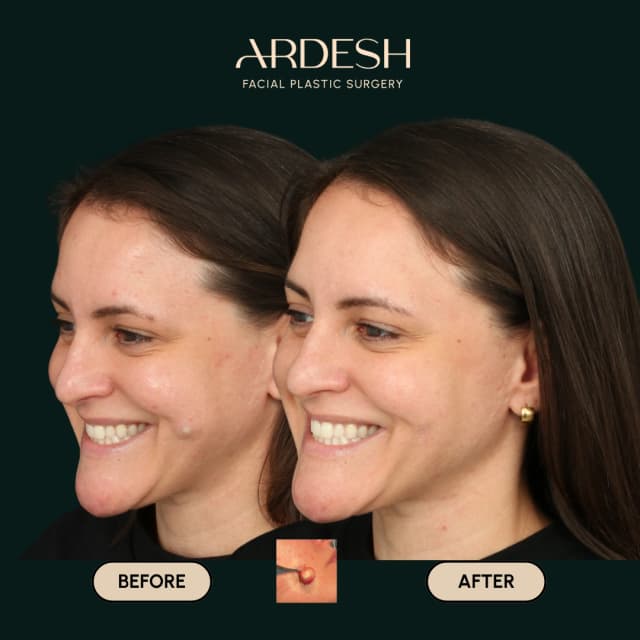
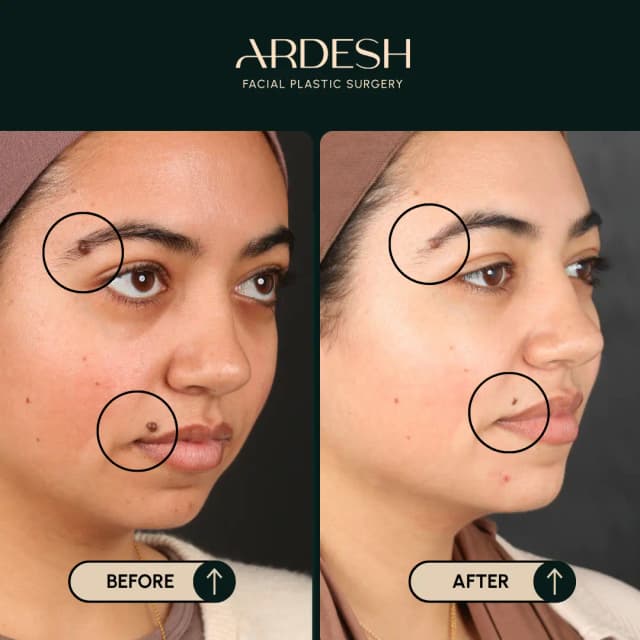
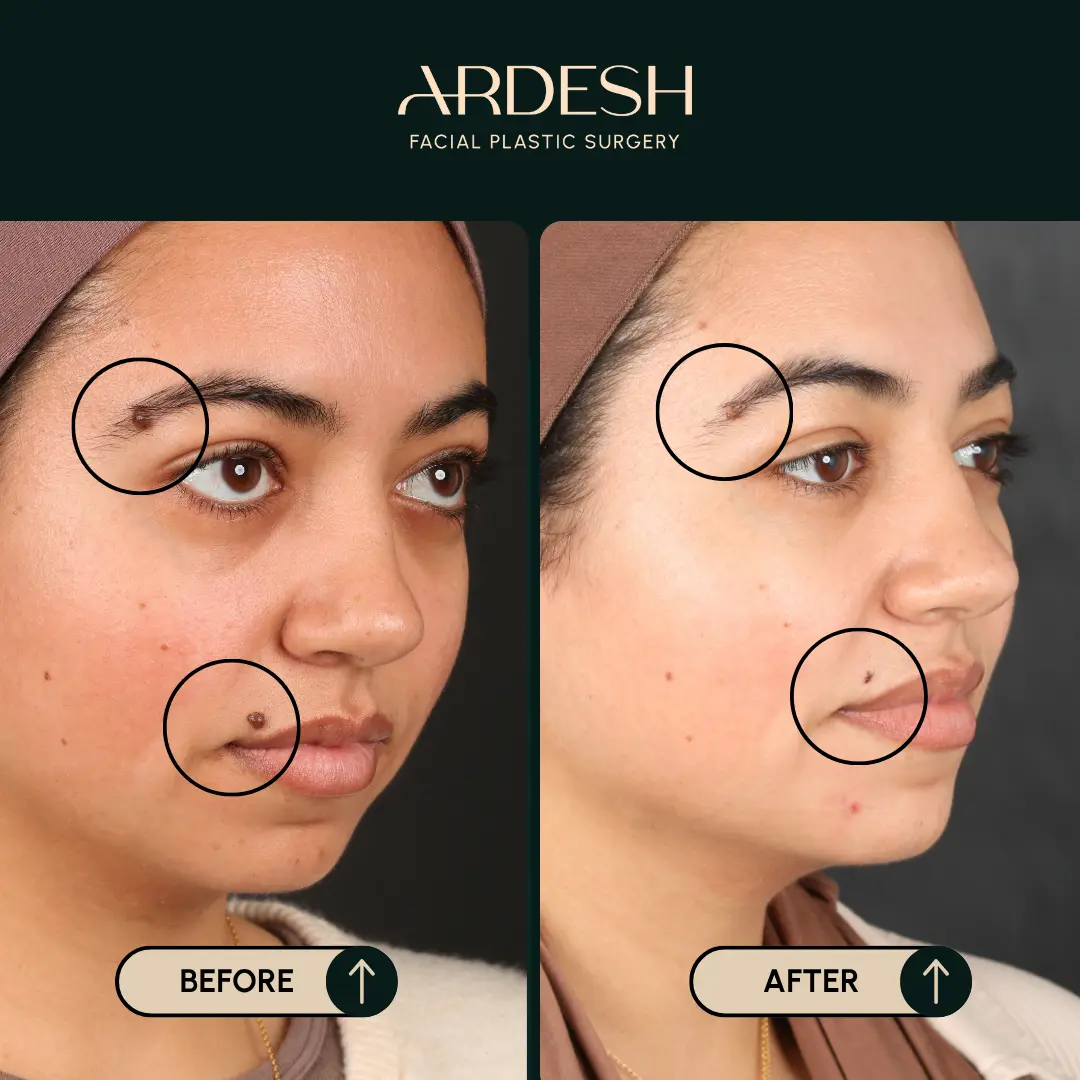
A growing skin tag that's bothering you can be removed. Quick procedure. Fast recovery. A surgeon who understands scar minimization can remove it without leaving a visible mark.
Most people wait until it's huge and inflamed. Earlier removal is simpler. Recovery is easier. Outcome is better.
What you should actually do
Assess why it's growing. Is the necklace still there daily? Have you gained weight? Did your hormones change? Are you constantly catching it?
Once you identify the trigger, you have options:
- Option one: Remove the trigger. Stop wearing the necklace. Change your bra. Give that area relief.
- Option two: Remove the skin tag. If the irritant is staying and you're tired of the tag, removal is straightforward.
- Option three: Leave it. If it's stable and not bothering you, you can do nothing.
A skin tag growing is your body responding to something. Not a medical emergency. But it is information.
For deeper guidance on what your body might be telling you when multiple tags suddenly appear, read Multiple Skin Tags Suddenly Appearing? A Surgeon Explains Wha.t Your Body Is Telling You.
If you decide removal makes sense, choosing a surgeon who understands how to remove skin tags without scarring—especially in visible areas like your neck—changes the outcome. Dr. Ardesh's approach focuses on clean, minimally invasive removal with attention to surrounding skin, so the removal site blends seamlessly.
Your skin tag is telling you something. Listen to what it's saying. Then decide what you want to do.
Discover The Molectomy™ Method by Beauty Mark MD™
The Molectomy™ Method by Beauty Mark MD™ is our signature approach to cosmetic mole removal and beauty mark refinement. Designed to prioritize natural-looking results, scar minimization, advanced healing, and facial harmony, it offers a refined solution for patients seeking comprehensive facial enhancement.
FAQs
1. Why is my skin tag getting bigger?
A skin tag may grow larger due to ongoing friction, repeated irritation, weight gain, hormonal changes, or increased sweating. These factors can continue to stimulate the area, causing the skin tag to gradually enlarge over time.
2. Does a growing skin tag mean cancer?
In most cases, no. Skin tags are generally benign growths and are not considered cancerous. However, any skin lesion that changes rapidly, develops unusual colours, bleeds unexpectedly, or causes concern should be evaluated by a healthcare professional.
3. Can hormonal changes cause skin tags to grow?
Yes. Hormonal fluctuations during pregnancy, menopause, or other hormonal changes may contribute to the development or enlargement of skin tags, particularly in areas prone to friction.
4. Will a skin tag stop growing if I remove the source of irritation?
Reducing friction or eliminating the source of irritation may help prevent further growth. However, an existing skin tag usually does not disappear on its own and may remain unless professionally removed.
5. When should I consider having a skin tag removed?
You may consider removal if the skin tag becomes irritated, frequently catches on clothing or jewellery, continues to grow, affects your confidence, or causes discomfort. A medical professional can recommend the most appropriate treatment option based on its size and location.