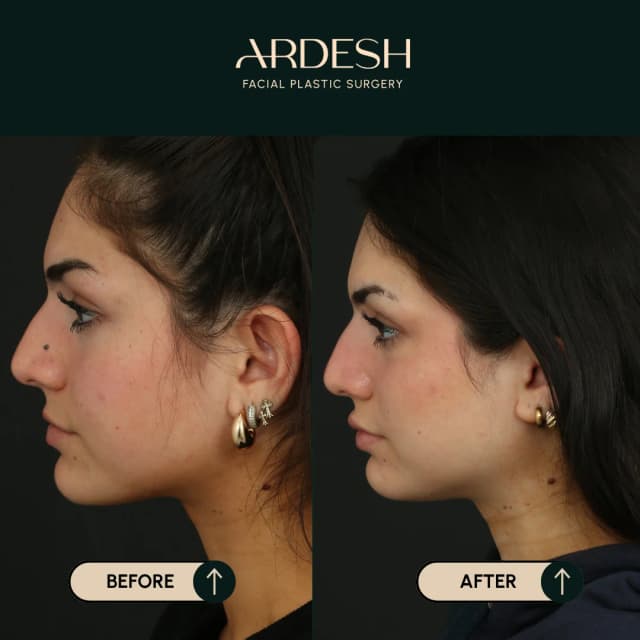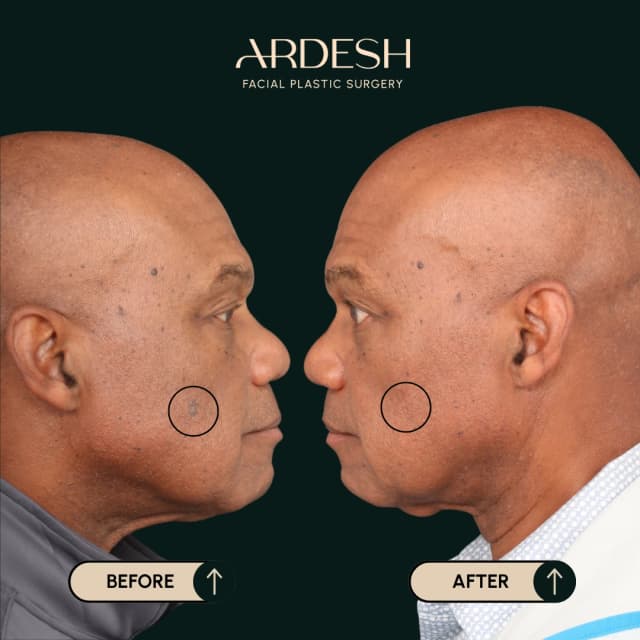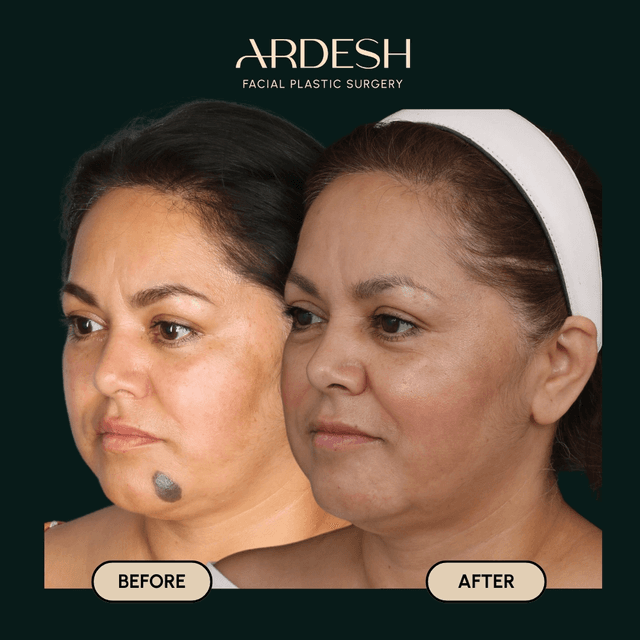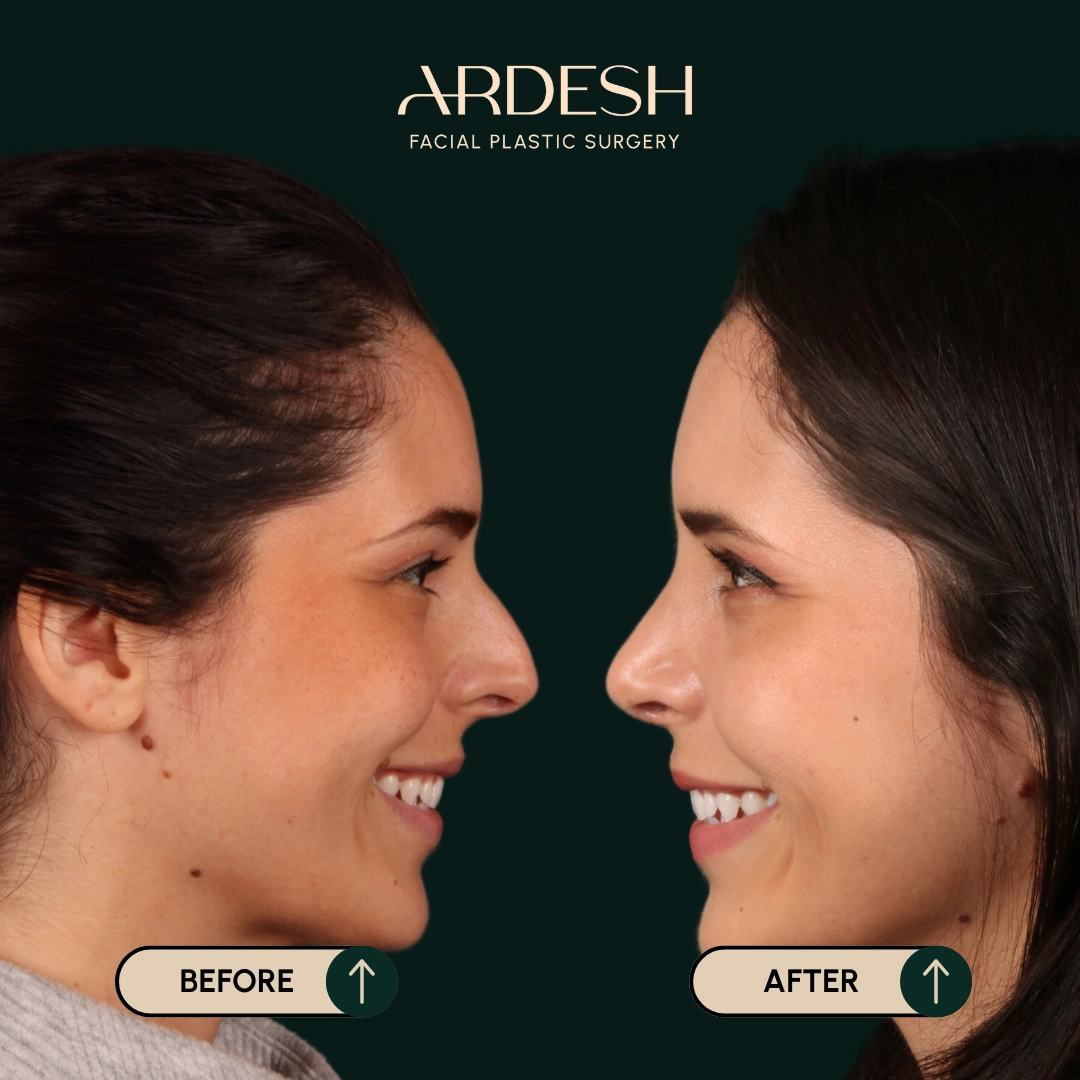
You may think your nose stopped changing once you reached adulthood. While the most significant facial growth happens during the teenage years, your nose continues to undergo subtle changes throughout life. If you've noticed your nose looking slightly different in your 30s, 40s, or beyond, you're not imagining it.
These gradual changes often lead people to reconsider their facial appearance or begin exploring Rhinoplasty Surgery. Understanding rhinoplasty age changes can help you decide whether surgery is appropriate now or whether waiting may produce a better outcome.
About Dr. Ardesh
Dr. Ardesh of Beauty Mark MD is a double board-certified facial plastic and reconstructive surgeon known for delivering thousands of refined, natural outcomes. With an academic background that includes teaching in head and neck surgery, ophthalmology, and dermatology at Loma Linda University, he later transitioned into private practice to focus on patient-centred care. His philosophy emphasises subtle enhancement rather than obvious alteration, earning him recognition as a leading plastic surgeon in Beverly Hills and Newport Beach.
Does Your Nose Really Change After 30?
Yes. Although the bones of the nose stop growing in early adulthood, the surrounding cartilage, skin, and soft tissues continue to change as part of the natural aging process.
Some of the most common changes include:
- The nasal tip may gradually droop.
- Cartilage can weaken over time.
- Skin may lose elasticity.
- The nose can appear longer or wider.
- Facial volume loss may make the nose seem more prominent.
These changes usually develop slowly, making them difficult to notice until you compare older photographs with recent ones.
Why Does the Nose Change with Age?
Several biological factors contribute to age-related changes in the nose.
Cartilage Loses Support
The cartilage that shapes the tip of the nose naturally becomes less supportive over time. As this framework weakens, gravity can cause the nasal tip to descend slightly, altering the overall appearance.
Skin Elasticity Declines
Collagen and elastin production decreases with age. As the skin becomes less firm, it no longer provides the same structural support to the nose, contributing to visible changes.
Facial Aging Changes Overall Balance
Aging affects the entire face, not just the nose. Volume loss in the cheeks, temples, and jawline can change facial proportions, making the nose appear larger even if its structure has changed only minimally.
Gravity Plays a Role
Like other facial tissues, the nose is affected by gravity over many years. Combined with cartilage changes, this can contribute to subtle downward movement of the nasal tip.
How Do These Changes Affect Rhinoplasty?
Understanding rhinoplasty age changes is important because age influences both surgical planning and expected outcomes. Whether someone is considering cosmetic refinement or functional improvement, rhinoplasty surgery should always be tailored to the individual's anatomy and long-term goals.
Rather than creating a "perfect" nose, an experienced facial plastic surgeon evaluates how the nose fits within your current facial structure.
This often means considering:
- Skin thickness
- Cartilage strength
- Overall facial aging
- Nasal function
- Long-term stability
The goal is to create natural balance while preserving facial identity rather than chasing trends or overly dramatic changes.
Is There an Ideal Age for Rhinoplasty?
There isn't one specific age that's considered perfect.
Instead, surgeons focus on whether facial growth is complete and whether the patient has realistic expectations before recommending rhinoplasty nose surgery.
Patients in Their 20s
Many seek rhinoplasty to address concerns they've had since adolescence, such as a dorsal hump, asymmetry, or nasal width.
Patients in Their 30s and 40s
This age group often notices subtle age-related changes in addition to long-standing cosmetic concerns. Rhinoplasty surgery at this stage may focus on improving appearance while maintaining facial harmony and structural support.
Patients Over 50
Healthy older adults can still be excellent candidates for rhinoplasty. Surgical planning may include age-related structural support techniques to maintain long-lasting, natural-looking results.
What If You've Already Had Rhinoplasty?
Even after a successful procedure, the nose continues to age along with the rest of the face.
While surgery can reshape the nasal framework, it cannot stop the natural aging process.
Some patients later seek revision rhinoplasty or complementary facial rejuvenation procedures if changes become noticeable over time.
Factors Your Surgeon Will Evaluate
Before recommending surgery, a facial plastic surgeon will assess much more than the appearance of your nose.
|
Evaluation Area |
Why It Matters |
|
Skin quality |
Influences healing and final definition |
|
Cartilage strength |
Determines structural support |
|
Facial proportions |
Ensures balanced, natural results |
|
Breathing function |
Preserves or improves nasal airflow |
|
Medical history |
Supports safe surgical planning |
|
Personal goals |
Aligns expectations with achievable outcomes |
A comprehensive facial assessment allows the surgical plan to be tailored to your anatomy rather than following a one-size-fits-all approach. This individualized planning is one of the most important aspects of successful rhinoplasty nose surgery.
Should You Wait if Your Nose Is Still Changing?
In most adults over 30, age-related nasal changes occur gradually and do not prevent rhinoplasty.
Instead, these changes often become part of the surgical planning process.
The right time for surgery depends less on age itself and more on:
- Stable overall health
- Completed facial development
- Clear aesthetic goals
- Realistic expectations
- Evaluation by a qualified facial plastic surgeon
Every patient ages differently, making an individualized consultation essential before proceeding with rhinoplasty surgery.
Age is only one factor that influences whether rhinoplasty is appropriate. If you're curious about how surgeons assess younger patients, I Am 15! Am I Too Young for a Nose Job? explains the role of facial development and timing before surgery is considered. And once you're ready to explore your options, The One Question You Must Ask Before Any Rhinoplasty Consultation can help you understand what to discuss with your surgeon before moving forward.
Choosing a Surgeon Who Understands Facial Aging
Rhinoplasty is one of the most technically demanding facial procedures because every adjustment affects overall facial balance.
When age-related changes are involved, experience becomes even more important.
A surgeon who specializes exclusively in facial plastic surgery understands how aging influences nasal structure and how to create results that remain balanced and natural for years to come. Careful planning helps ensure that rhinoplasty nose surgery complements your facial features instead of changing your natural identity.
Take the Next Step with Dr. Farhad Ardesh
If you've noticed subtle rhinoplasty age changes or are wondering whether your nose is changing as you get older, a personalized consultation can provide clarity. Dr. Farhad Ardesh is a board-certified facial plastic surgeon specializing in rhinoplasty and facial rejuvenation, with a philosophy centered on preserving your natural identity while enhancing facial harmony.
Whether you're considering your first rhinoplasty surgery or exploring options after age-related changes, Dr. Ardesh develops treatment plans tailored to your unique facial anatomy and long-term goals. Schedule a consultation to discuss your concerns and learn how a carefully planned rhinoplasty nose surgery can create refined, balanced, and natural-looking results.