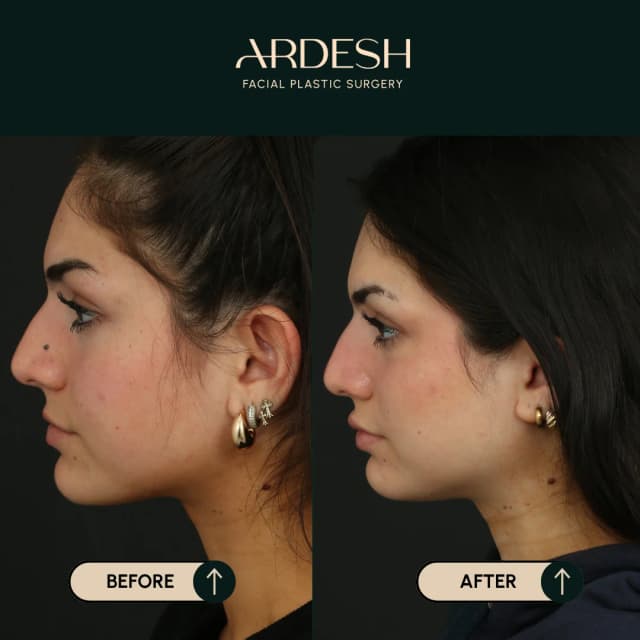
A lot of patients searching for rhinoplasty for breathing are not trying to change how they look first. And chronic mouth breathing is often a sign of underlying nasal airway obstruction. While temporary congestion caused by illness or allergies is common, persistent difficulty breathing through the nose may be associated with structural issues such as septal deviation, nasal valve collapse, turbinate enlargement, or previous nasal trauma.
When nasal airflow is compromised, the body frequently compensates by relying on oral breathing, particularly during sleep and physical activity. Over time, this may contribute to symptoms including dry mouth, snoring, disrupted sleep, exercise intolerance, and reduced overall quality of life.
For patients with structural nasal obstruction, functional rhinoplasty may help improve airflow by addressing the underlying anatomical causes of restricted breathing. However, determining whether surgery is appropriate requires a thorough assessment of nasal anatomy, airway function, and the specific factors contributing to a patient's symptoms.
About Dr. Ardesh
Dr. Ardesh of Beauty Mark MD is a double board-certified facial plastic and reconstructive surgeon known for delivering thousands of refined, natural outcomes. With an academic background that includes teaching in head and neck surgery, ophthalmology, and dermatology at Loma Linda University, he later transitioned into private practice to focus on patient-centred care. His philosophy emphasises subtle enhancement rather than obvious alteration, earning him recognition as a leading plastic surgeon in Beverly Hills and Newport Beach.
Mouth breathing is usually a symptom, not the diagnosis
Chronic mouth breathing often points to restricted airflow somewhere inside the nose.
That restriction may come from:
- a deviated septum
- collapsed nasal valves
- enlarged turbinates
- prior trauma
- structural asymmetry
- weakened cartilage support
This is where Functional rhinoplasty becomes relevant.
Unlike cosmetic rhinoplasty alone, functional rhinoplasty focuses on restoring airflow and structural stability while also considering appearance when appropriate. Many patients actually have both goals at the same time. They want to breathe better, but they also would not mind correcting a crooked bridge or post-injury asymmetry while they are already having surgery.
That overlap is extremely common now, especially in Los Angeles and Beverly Hills where patients are often highly informed before consultations.
The nose affects breathing more than people realize
The nose does not just move air.
It:
- filters particles
- warms incoming air
- regulates humidity
- helps airflow efficiency during sleep and exercise
When airflow becomes restricted, the body compensates. Mouth breathing becomes the backup system.
The problem is that chronic mouth breathing may contribute to:
- dry mouth
- poor sleep quality
- snoring
- exercise discomfort
- throat irritation
- daytime fatigue
A 2020 review published in the Journal of Clinical Medicine noted that persistent nasal obstruction can significantly affect sleep quality and overall quality of life, particularly when structural airway narrowing is involved.
That does not automatically mean surgery is necessary. Allergies, inflammation, and sinus disease can also contribute. But structural obstruction tends to behave differently:
it often stays constant regardless of season or medication.
What surgeons evaluate during a breathing consultation
Patients sometimes expect a quick “yes or no” answer during consultation.
In reality, airway evaluation tends to be more detailed.
A surgeon may assess:
- septal deviation
- internal nasal valve narrowing
- external valve collapse
- cartilage strength
- turbinate size
- previous injuries
- breathing asymmetry
- scar tissue from prior surgery
Sometimes the issue becomes obvious immediately. Sometimes it is more subtle.
For example, nasal valve collapse is commonly overlooked because the nose may appear relatively straight from the outside while airflow remains restricted internally.
Patients often describe it like this:
- “One side closes when I inhale deeply.”
- “I can breathe, but never fully.”
- “Exercise feels harder through my nose.”
- “I constantly sound congested.”
Those descriptions matter clinically.
Many patients seeking treatment for functional breathing concerns are surprised to learn that age-related changes can also influence nasal support and airway function over time. Our article, "Rhinoplasty at 25 vs 45: How Age Changes What's Possible and What to Expect," explores how anatomy, healing, and surgical planning may differ across age groups.
Functional rhinoplasty vs cosmetic rhinoplasty
Patients often confuse these procedures because they can happen together.
Here is the practical difference:
| Cosmetic Rhinoplasty | Functional Rhinoplasty |
|---|---|
| Focuses mainly on appearance | Focuses primarily on airflow and nasal function |
| May reshape the bridge or tip of the nose | May reinforce airway structure |
| Often performed to achieve aesthetic goals | Often addresses medical breathing concerns |
| External appearance is the priority | Internal support and airflow are prioritized |
| Can still affect breathing | Specifically aims to improve breathing |
The distinction matters because aggressive cosmetic reduction can sometimes worsen airflow if structural support is weakened too much.
Modern rhinoplasty philosophy has shifted away from over-resection partly for this reason.
Structural grafting has become more common for a reason
Older rhinoplasty techniques often focused heavily on reduction:
smaller bridge, narrower tip, thinner profile.
The problem is that cartilage removal without adequate support can eventually lead to:
- airway collapse
- pinching
- breathing difficulty
- visible contour irregularities
This is why many modern rhinoplasty for breathing procedures now use cartilage grafting techniques to stabilize the nasal valves and preserve airflow long term.
According to research published in Facial Plastic Surgery, spreader grafts and structural support techniques play an important role in maintaining the internal nasal airway after rhinoplasty.
That sounds technical, but the real-world takeaway is simple:
sometimes support matters more than reduction.
Recovery is usually gradual, not dramatic
People tend to expect one of two extremes:
either unbearable recovery or instant transformation.
Most rhinoplasty recoveries sit somewhere in the middle.
The first week often includes:
- swelling
- congestion
- temporary mouth breathing
- pressure sensation
- bruising around the eyes in some patients
Then healing slows down.
Patients undergoing Functional rhinoplasty may notice breathing improvement relatively early once internal swelling decreases. Cosmetic swelling, especially around the nasal tip, usually takes longer to fully settle.
Thicker skin tends to prolong swelling timelines. Previous trauma or revision surgery can also make healing less predictable.
Patience matters more than people expect.
Patients considering functional rhinoplasty should also understand that improvements in airflow often occur gradually as postoperative swelling resolves. For a detailed overview of the healing process, read "What Nobody Tells You About Rhinoplasty Recovery - A Week-by-Week Breakdown."
Risks should be discussed honestly
This is still surgery.
Even well-executed rhinoplasty carries potential risks:
- bleeding
- infection
- prolonged swelling
- scar tissue formation
- residual asymmetry
- persistent breathing complaints
- need for revision surgery
Some patients improve dramatically. Others improve partially. A small percentage may require additional correction later.
That variability is part of medicine, especially with healing-dependent procedures like rhinoplasty.
Patients should be cautious around marketing language that guarantees perfect breathing or “scarless” outcomes. Those claims usually oversimplify a very individualized process.
Can Functional Rhinoplasty Improve Chronic Mouth Breathing?
The answer depends on the underlying cause of nasal obstruction and whether the symptoms are primarily structural in nature.
The answer depends on whether the underlying issue is structural.
Patients with septal deviation, nasal valve collapse, cartilage weakness, or trauma-related obstruction may benefit significantly from rhinoplasty for breathing when surgery is planned appropriately. Patients whose symptoms come mainly from allergies or chronic inflammation may need a different treatment path altogether.
The important thing is getting an evaluation that looks at both function and anatomy, not just appearance.
Dr. Ardesh’s procedures are approached with attention to both structural balance and natural-looking aesthetics, particularly for patients seeking functional improvement alongside subtle refinement. For individuals considering Functional rhinoplasty, the goal is often straightforward: breathing more comfortably without creating a nose that feels disconnected from the rest of the face.
Discover The Molectomy™ Method by Beauty Mark MD™
The Molectomy™ Method by Beauty Mark MD™ is our signature approach to cosmetic mole removal and beauty mark refinement. Designed to prioritize natural-looking results, scar minimization, advanced healing, and facial harmony, it offers a refined solution for patients seeking comprehensive facial enhancement.
FAQs
1. Can rhinoplasty help with chronic mouth breathing?
Yes, rhinoplasty may help if mouth breathing is caused by structural problems inside the nose, such as a deviated septum, nasal valve collapse, or previous nasal trauma. A thorough evaluation is necessary to determine whether surgery is the most appropriate treatment option.
2. What is functional rhinoplasty?
Functional rhinoplasty is a surgical procedure designed to improve nasal airflow and breathing. Unlike cosmetic rhinoplasty, which focuses primarily on appearance, functional rhinoplasty addresses structural issues that may be restricting airflow through the nose.
3. How do I know if my mouth breathing is caused by a nasal obstruction?
Common signs include persistent difficulty breathing through the nose, chronic congestion, snoring, dry mouth, and feeling like one side of the nose is more blocked than the other. A specialist can assess your nasal anatomy to identify the underlying cause.
4. Will I be able to breathe normally immediately after rhinoplasty?
Not usually. Temporary swelling inside the nose often causes congestion during the first days or weeks after surgery. As healing progresses and swelling decreases, breathing typically improves gradually.
5. Can functional and cosmetic rhinoplasty be performed together?
Yes. Many patients choose to address breathing problems and cosmetic concerns during the same procedure. Combining functional and aesthetic goals can improve nasal airflow while also creating a balanced and natural-looking appearance.