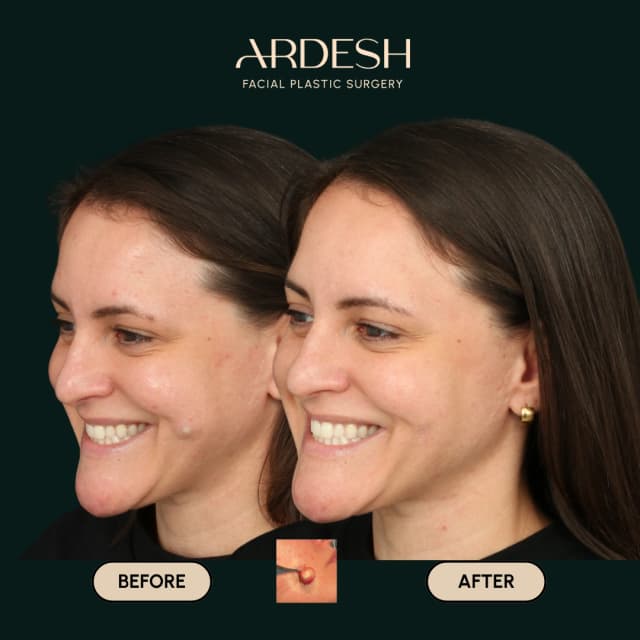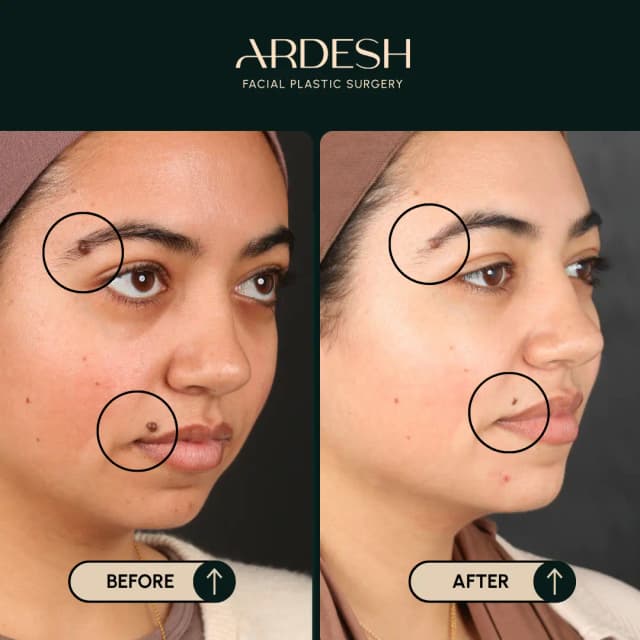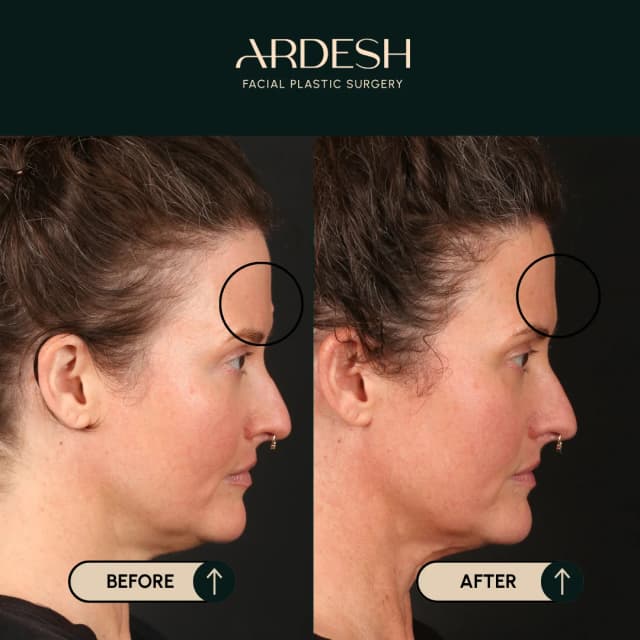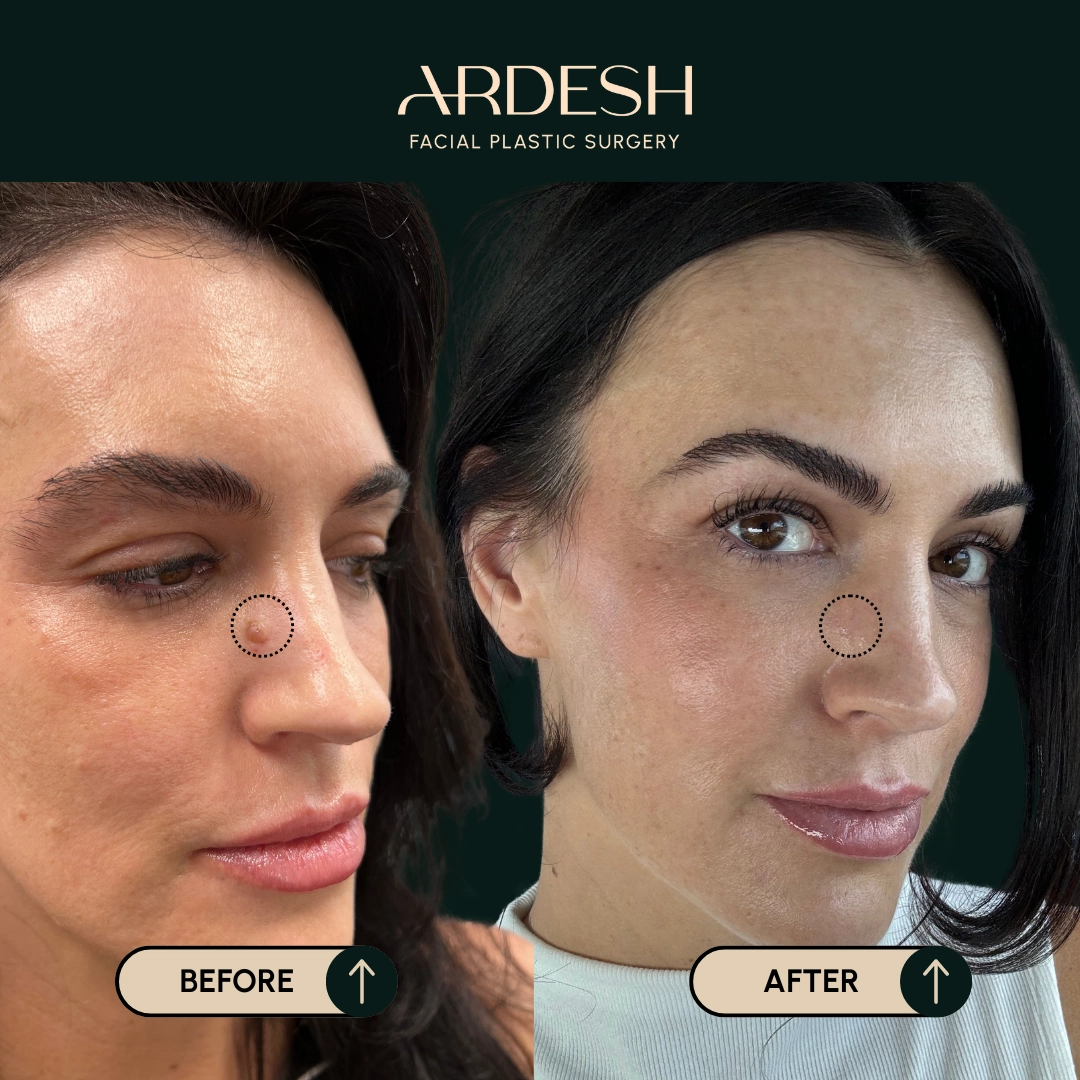
While moles are typically harmless, they can sometimes be a source of discomfort or impact your self esteem. Whether you’ve opted for face mole removal for cosmetic reasons or because skin cancer is suspected, proper aftercare is vital to a quick recovery and minimal scarring.
Dr. Ardesh and his team will provide complete aftercare instructions based on your unique situation, but here are our top tips for a smooth and successful recovery.
About Dr. Ardesh
Dr. Ardesh of Beauty Mark MD is a double board-certified facial plastic and reconstructive surgeon known for delivering thousands of refined, natural outcomes. With an academic background that includes teaching in head and neck surgery, ophthalmology, and dermatology at Loma Linda University, he later transitioned into private practice to focus on patient-centred care. His philosophy emphasises subtle enhancement rather than obvious alteration, earning him recognition as a leading plastic surgeon in Beverly Hills and Newport Beach.
Understanding Mole Removal Procedures
Before we discuss post-procedure care, let’s look at the different methods of mole removal. Common techniques include:
- Excision Surgery – This method is usually reserved for cancerous moles. With surgical excision, the mole and some surrounding tissue are cut out of the skin to be biopsied. Stitches are used to close the wound.
- Shave Removal – With this method, the mole is simply shaved from the surface of the skin. Shave removal is used for benign moles and typically results in minimal scarring.
The method Dr. Ardesh uses depends on factors like mole type, size, and location on the body. No matter which technique is used, proper aftercare is crucial.
Immediate Mole Removal Aftercare
Whether you have stitches or simply had a shave removal, you’ll want to follow basic wound care protocol to ensure your mole removal site heals properly.
Clean The Incision Site
Keeping the wound site clean reduces the risk of infection, making it one of the most important parts of aftercare. To clean your wound, use mild soap and water to gently rinse the area. Pat it dry with a clean, soft cloth and repeat 1 – 2 times per day.
Avoid scrubbing the open wound or using harsh skin cleansers or antibacterial chemicals like peroxide or alcohol. These can irritate the area and slow your recovery.
Keep the Wound Moist
After cleaning, you’ll want to keep the treated area moist with an over-the-counter antibiotic ointment or petroleum jelly. This helps prevent infection and speeds up healing. Apply the ointment after each cleaning.
Protect the Wound Site With a Bandage
After cleaning your incision site and applying petroleum jelly or an antibiotic ointment, keep the area covered with a sterile bandage. Dr. Ardesh will provide bandages at your mole removal appointment, but over-the-counter bandages are perfectly acceptable as long as they cover the entire area. Be sure to change the bandage after each cleaning.

Mole Removal Aftercare: The First Weeks
In most cases, mole removal aftercare is simple, but there are a few things you’ll need to be mindful of to ensure your wound heals quickly and with minimal scarring.
Stay Out of the Sun
When you’re in the sun, keep the wound covered. Direct contact with sunlight can make scar tissue darker and thicker, which will obviously make your scar more noticeable. After the initial healing period, use sunscreen on the mole removal site.
Skip Strenuous Activity
While it’s not necessary to completely avoid exercise after a mole removal procedure, avoid any activity that will irritate the area or cause sweat to get into the wound. For example, a mole removal from your shoulder means avoiding upper body workouts until the area is healed. Typically, you’ll need to be careful with exercise for 2-3 weeks following your procedure.
Dr. Ardesh and his team are happy to answer questions about what types of exercise are approved for you while you’re healing.
Avoid Irritation
Avoiding irritation in the treated area will help keep you as comfortable as possible and ensure everything heals properly. To keep irritation at bay, wear loose-fitting clothing made of soft fabrics, resist the urge to scratch the wound, and watch for signs of infection. If you notice increased redness or swelling, bleeding, or discharge, notify Dr. Ardesh as soon as possible.
Long-Term Aftercare for Mole Removal
Long term, there are a few things you can do to promote healing.
- To minimize scarring, use silicone gel or sheets once the wound has healed and any stitches are removed.
- Keep scheduled follow-up appointments with Dr. Ardesh and/or your dermatologist.
- If you experience persistent pain, redness, or other concerning symptoms, contact Dr. Ardesh as soon as possible.
Nurturing a Healthy Recovery
If you need to have a mole removed, it’s important to understand the aftercare involved since it’s a commitment to your long-term healing and well-being. Follow these guidelines—and any additional advice from The Mole Doctor TM or The Beauty Mark Doctor TM —to ensure a healthy recovery process. Whether the mole removal was for medical or cosmetic reasons, the long-term goal is healthy skin. If you’re ready to discuss your mole removal procedure, give our southern California office a call at (424) 242-8608 or request your appointment online