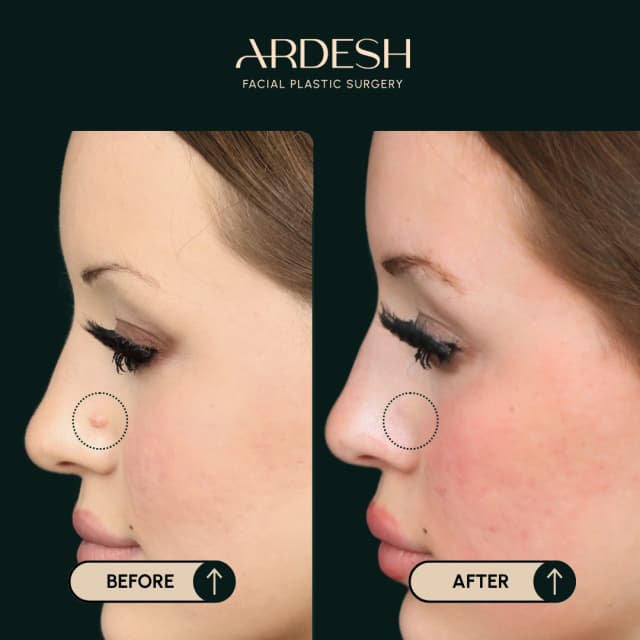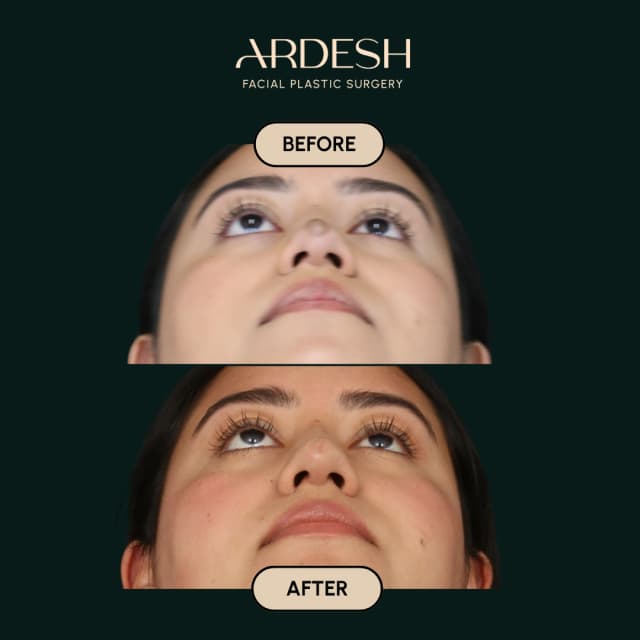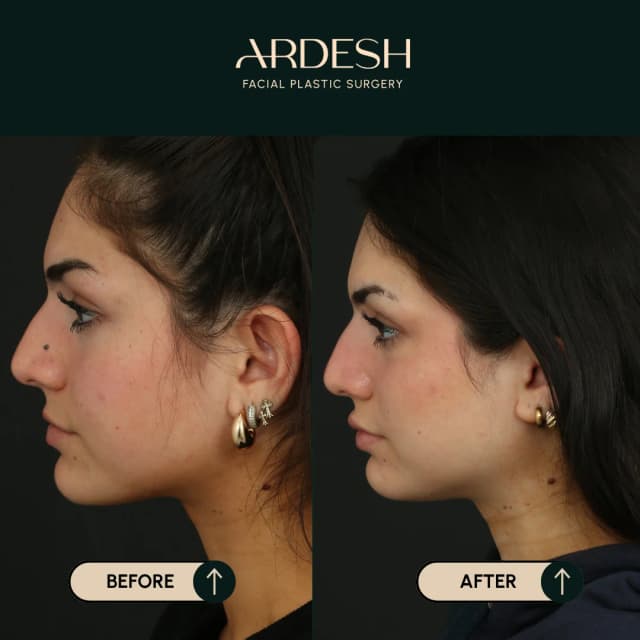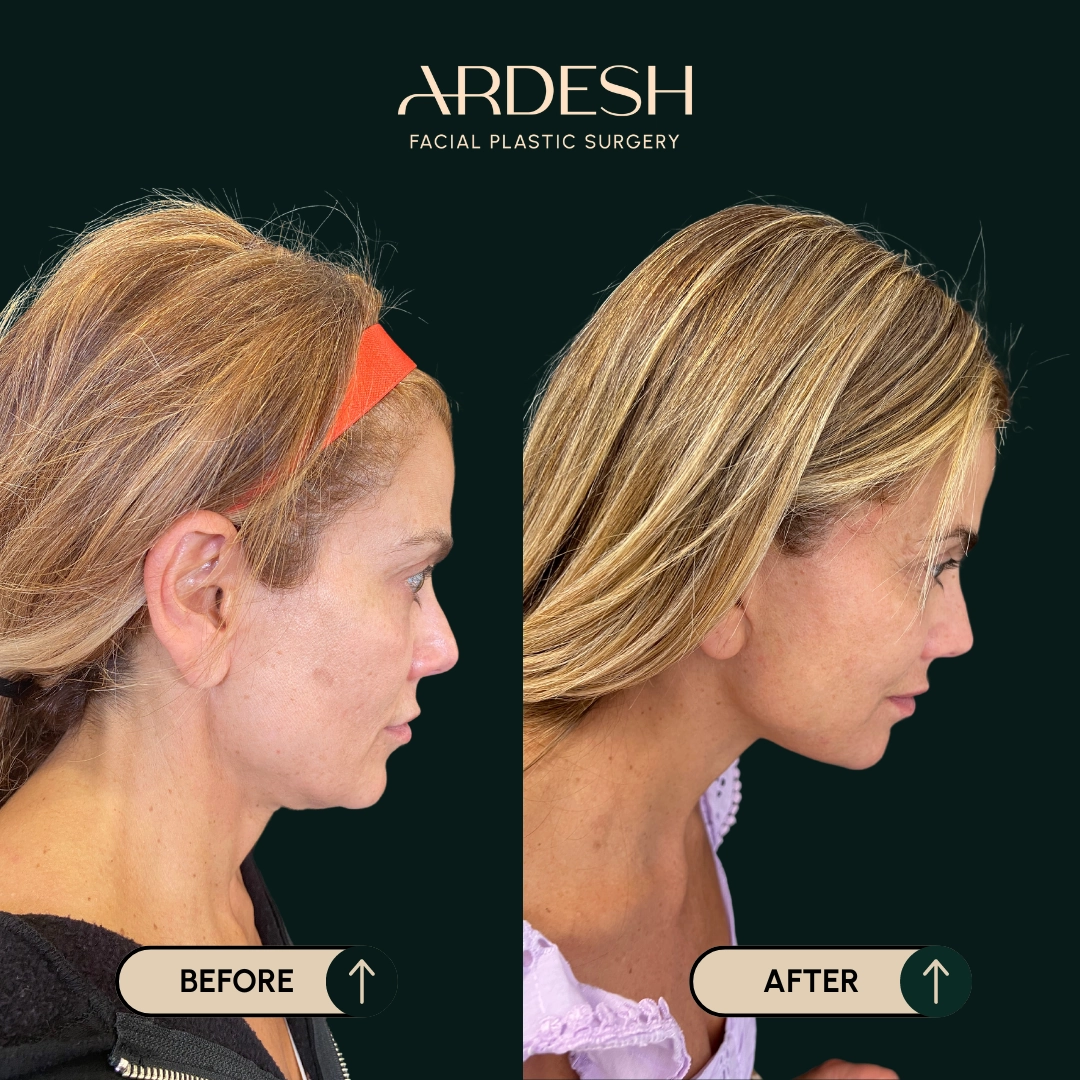
Neck aging is often one of the earliest visible signs of facial aging, even in patients who otherwise maintain youthful facial features. Changes in skin elasticity, submental fat distribution, platysmal muscle laxity, and soft tissue support can gradually alter the contour of the neck and jawline, creating a heavier or less defined appearance beneath the chin.
Some start looking for turkey neck treatment options. Others search for Neck lift age 40, wondering if they're somehow too young to even be considering surgery.
Many patients become aware of these changes in their forties, leading them to question whether they are too young to consider a neck lift. However, candidacy for facial rejuvenation procedures is not determined by chronological age alone. Surgeons evaluate anatomical factors such as skin quality, cervical contour, platysmal banding, fat accumulation, and overall facial balance when determining whether treatment may be appropriate.
The term "turkey neck" is commonly used to describe loose skin, neck banding, or loss of jawline definition, but it is not a medical diagnosis. Multiple anatomical factors can contribute to this appearance, and each may require a different treatment approach. While some patients may benefit from observation or less invasive options, others may be candidates for surgical correction even at a relatively young age.
Understanding what is causing the change is often more important than focusing on age itself. This article explores why neck aging can become noticeable around age 40, when treatment may be appropriate, and how surgeons determine whether a neck lift is the right solution.
About Dr. Ardesh
Dr. Ardesh of Beauty Mark MD is a double board-certified facial plastic and reconstructive surgeon known for delivering thousands of refined, natural outcomes. With an academic background that includes teaching in head and neck surgery, ophthalmology, and dermatology at Loma Linda University, he later transitioned into private practice to focus on patient-centred care. His philosophy emphasises subtle enhancement rather than obvious alteration, earning him recognition as a leading plastic surgeon in Beverly Hills and Newport Beach.
Why the neck often ages before the rest of the face
The neck has a habit of revealing age earlier than expected.
Part of the reason is simple biology. Skin gradually loses elasticity over time. Collagen production slows. Muscle structure changes. Fat distribution shifts.
The result isn't usually dramatic at first.
It's subtle.
You may notice that your jawline doesn't look quite as sharp. You might catch yourself pulling the skin back slightly while looking in the mirror. Some people begin avoiding side-profile photos altogether.
Then there's genetics.
Many patients who seek turkey neck treatment aren't dealing with a problem they created. They've inherited a tendency toward neck laxity from parents or grandparents.
Weight fluctuations can also accelerate changes in the neck. Even when someone successfully loses weight, the skin doesn't always tighten to the degree they expected.
This often creates frustration because the effort and the outcome don't seem to match.
This often raises questions about whether exercise, weight loss, or lifestyle changes can meaningfully improve neck contour. In "Can Exercise Fix a Saggy Neck or Do You Actually Need Surgery? A Surgeon Answers," we discuss the anatomical limitations of non-surgical approaches to neck aging.
What exactly is a "turkey neck"?
It's a term people use all the time, but it means different things to different people. For some individuals, it refers to loose skin hanging beneath the chin. For others, it describes vertical neck bands that become more visible with age. Sometimes excess fat contributes to the appearance. Sometimes it doesn't.
In many cases, several factors exist at the same time.
Common concerns include:
- Loose or crepey skin beneath the chin
- Loss of jawline definition
- Visible neck bands
- Fullness under the chin
- A heavier profile appearance despite maintaining a healthy weight
The important thing to understand is that "turkey neck" describes how something looks.
It doesn't explain why it looks that way.
That distinction matters because different causes require different solutions.
Understanding the underlying cause of neck aging is essential because excess fat, skin laxity, and lower facial descent are treated differently. Our article "Neck Lift vs. Facelift vs. Neck Liposuction: Which One Actually Fixes YOUR Problem?" explains how surgeons determine which procedure best addresses a patient's specific anatomy.
Is 40 actually a common age for neck concerns?
More common than most people realize.
There's a misconception that neck lifts are procedures primarily performed on people in their sixties or seventies. While many patients pursue treatment later in life, concerns often begin much earlier.
Around age forty, people frequently reach a point where changes become noticeable enough to pay attention to.
Not necessarily severe.
Just noticeable.
This is often when patients start researching Neck lift age 40 because they're trying to understand whether their concerns are normal, premature, or worth addressing.
The truth is that forty sits in an interesting middle ground.
Many individuals still have good skin quality. Healing is generally favorable. Aging changes are present but often not as advanced as they may become later.
For some patients, this timing creates an opportunity to address concerns before they become more pronounced.
For others, observation and non-surgical approaches may still be reasonable.
There is no universal answer.
What treatment might be appropriate?
One of the biggest mistakes people make is assuming every neck concern requires the same solution.
It doesn't.
The recommendation depends on what is creating the appearance.
|
Primary Concern |
Possible Treatment Direction |
|
Excess fat beneath the chin |
Liposuction or fat reduction procedures |
|
Mild skin laxity |
Depending on anatomy, non-surgical options may be considered |
|
Significant loose skin |
Neck lift evaluation |
|
Neck bands and skin laxity |
Neck lift evaluation |
|
Combined neck and jawline aging |
Comprehensive facial rejuvenation assessment |
This table isn't a diagnosis tool.
It simply illustrates why treatment decisions should be based on anatomy rather than age alone.
Someone searching for turkey neck treatment may discover their primary issue is excess fat. Another person may learn that loose skin is the main contributor.
The treatment plan can look very different even when the concern appears similar.
When waiting makes sense
Not every concern requires immediate intervention.
In fact, many patients benefit from simply understanding what's happening and monitoring changes over time.
Waiting may be reasonable if:
- The concern is mild
- The neck still maintains good definition
- Skin elasticity remains strong
- The appearance isn't causing significant frustration
There's value in patience when the issue is minimal.
At the same time, waiting isn't automatically the right choice either.
If loose skin is already present, additional time generally doesn't reverse it. Aging tends to move in one direction.
That's why many people researching Neck lift age 40 are not looking for permission to have surgery.
They're looking for clarity.
They want an honest assessment of whether their concern is likely to improve, remain stable, or continue progressing.
The real question isn't age
People often become fixated on the number.
Forty.
Forty-five.
Fifty.
But surgery doesn't care about birthdays.
A surgeon evaluates skin quality, tissue position, muscle structure, fat distribution, and overall facial balance.
Those factors determine candidacy far more than age itself.
A healthy forty-year-old with significant neck laxity may be a stronger candidate than someone older with relatively minor concerns.
That's why the conversation around Neck lift age 40 can be misleading.
The number isn't the deciding factor.
The anatomy is.
Looking at the mirror a little differently
Most people begin researching neck procedures because something feels different. The jawline isn't as defined. The neck looks heavier. Photographs reveal changes they hadn't fully noticed before.
Those observations are valid.
The next step is understanding what's causing them.
Whether the concern involves loose skin, excess fat, or structural aging, identifying the source of the problem is far more useful than focusing on a specific age.
For patients exploring turkey neck treatment options, a personalized evaluation can help separate assumptions from reality. At Dr. Ardesh's practice, the focus is on natural-looking facial enhancement and individualized treatment recommendations based on each patient's anatomy and goals, not a one-size-fits-all approach to aging.
Discover The Molectomy™ Method by Beauty Mark MD™
The Molectomy™ Method by Beauty Mark MD™ is our signature approach to cosmetic mole removal and beauty mark refinement. Designed to prioritize natural-looking results, scar minimization, advanced healing, and facial harmony, it offers a refined solution for patients seeking comprehensive facial enhancement.
FAQ’s
1. Is age 40 considered too young for a neck lift?
No. Neck lift candidacy is determined primarily by anatomical findings rather than age. Patients in their forties may be appropriate candidates when skin laxity, platysmal banding, or loss of neck definition are present and cannot be effectively addressed through non-surgical measures.
2. What anatomical changes contribute to the appearance of a "turkey neck"?
The appearance may result from a combination of factors, including skin laxity, platysmal muscle separation, submental fat accumulation, loss of soft tissue support, and age-related changes in collagen and elastin. A comprehensive evaluation is necessary to identify the primary contributors.
3. Can significant weight loss eliminate a turkey neck?
Weight loss may reduce excess fat beneath the chin; however, it does not reliably correct loose skin or platysmal muscle laxity. In some patients, weight loss may make skin redundancy more noticeable.
4. How do surgeons determine whether a neck lift is appropriate?
Evaluation typically includes assessment of skin elasticity, cervical contour, platysmal banding, submental fat volume, jawline definition, and overall facial aging patterns. Treatment recommendations are based on these anatomical findings rather than age alone.
5. Are non-surgical treatments effective for early neck aging?
Non-surgical treatments may provide modest improvement in select patients with mild skin laxity and good tissue quality. However, significant skin redundancy, platysmal banding, and structural neck aging generally require surgical correction to achieve meaningful and long-lasting improvement.