Rhinoplasty recovery is a complex biological process involving tissue healing, swelling resolution, scar maturation, and structural adaptation. While surgical techniques continue to advance, recovery remains an essential part of achieving a successful outcome and is often the aspect patients underestimate most.
Many patients focus extensively on surgical planning but have limited understanding of how healing progresses in the weeks and months that follow. Temporary swelling, nasal congestion, asymmetry, numbness, and fluctuating appearance are common stages of recovery and do not necessarily indicate a problem with the result. Understanding the expected healing timeline can help patients approach recovery with realistic expectations and greater confidence throughout the process.
The truth is that the Rhinoplasty recovery timeline is slower, less linear, and more emotionally unpredictable than most patients expect.
This week-by-week guide outlines the typical rhinoplasty recovery timeline, including common physical changes, healing milestones, and factors that may influence the speed and appearance of recovery.
About Dr. Ardesh
Dr. Ardesh of Beauty Mark MD is a double board-certified facial plastic and reconstructive surgeon known for delivering thousands of refined, natural outcomes. With an academic background that includes teaching in head and neck surgery, ophthalmology, and dermatology at Loma Linda University, he later transitioned into private practice to focus on patient-centred care. His philosophy emphasises subtle enhancement rather than obvious alteration, earning him recognition as a leading plastic surgeon in Beverly Hills and Newport Beach.
The first 72 hours usually feel more congested than painful
This surprises people.
Most patients describe pressure and congestion more than severe pain. The nose feels blocked because swelling inside the airway increases immediately after surgery.
Common experiences during the first few days:
- facial puffiness
- difficulty breathing through the nose
- pressure around the eyes
- swelling around the cheeks
- mild bleeding or drainage
- fatigue from anesthesia and poor sleep
Patients often panic because they cannot breathe normally yet.
That part is expected.
The internal tissues are swollen, and the body is reacting to surgical trauma. Even patients undergoing relatively conservative rhinoplasty procedures can feel heavily congested during this phase.
Week 1 is socially awkward more than medically difficult
This is usually the hardest week emotionally.
Patients tend to feel stuck between:
- visible swelling
- bruising
- uncertainty
- boredom
- hyper-fixation on every small change
The cast becomes psychologically strange too. People start imagining what the final result will look like underneath it. Some become convinced they already hate the outcome before the cast even comes off.
That reaction is extremely common.
During the first week of the Rhinoplasty recovery timeline, surgeons typically advise patients to:
- avoid strenuous activity
- sleep with the head elevated
- reduce sodium intake
- avoid pressure on the nose
- avoid glasses if instructed
- avoid smoking and alcohol
The emotional side of recovery honestly deserves more discussion than it gets online.
People stare at themselves constantly during this phase. Usually too early.
Cast removal creates unrealistic expectations
Patients often imagine cast removal as the “final reveal.”
It is not.
The nose usually still looks swollen at that point. Sometimes very swollen. Especially:
- around the tip
- along the bridge
- near the supratip area
- in thick-skinned patients
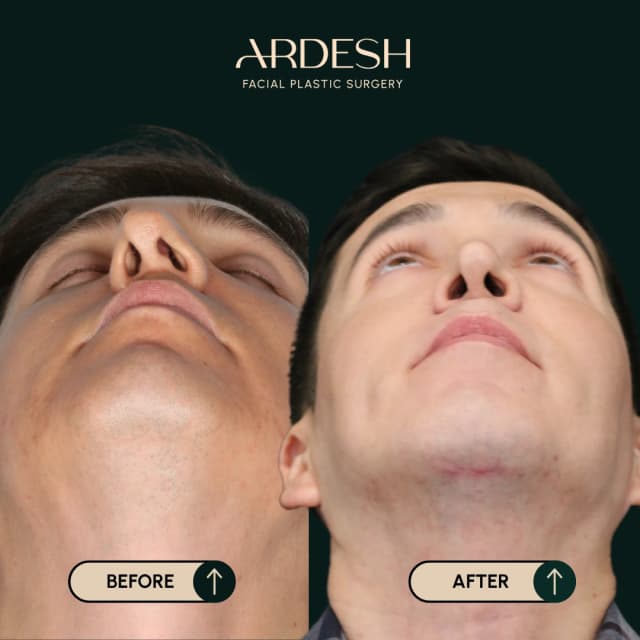
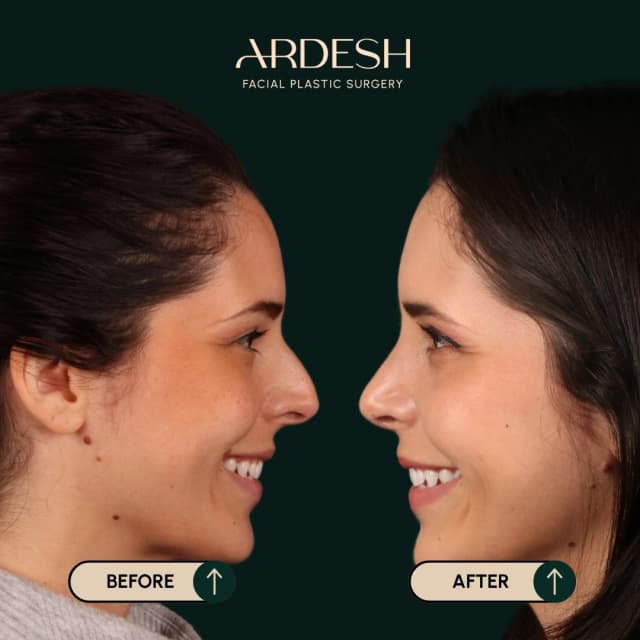
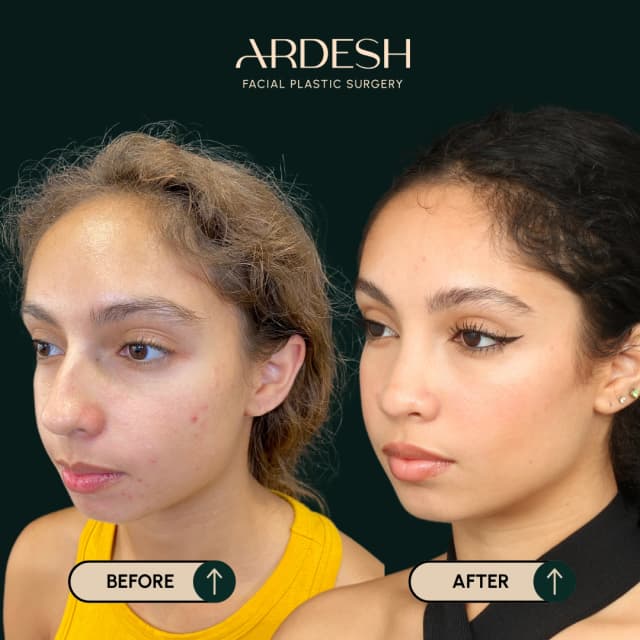
This is where online rhinoplasty content becomes misleading. Many before-and-after galleries show patients months or years after surgery, not one week afterward.
Immediately after cast removal, patients may notice:
- asymmetrical swelling
- stiffness
- numbness
- tip puffiness
- uneven contour changes
Swelling rarely resolves evenly.
One side may improve faster than the other. The tip may appear larger before it appears smaller. Morning swelling may differ from nighttime swelling.
That inconsistency is part of the normal Rhinoplasty recovery timeline.
Weeks 2 to 4 feel psychologically better, but healing is still early
By this point:
- bruising often improves significantly
- public visibility becomes easier
- swelling starts decreasing gradually
- breathing may improve internally
This is usually when patients start returning to work, social activities, and normal routines.
But healing is still active underneath the skin.
Cartilage, scar tissue, and soft tissue remodeling continue evolving quietly for months. Patients often make the mistake of judging final results too early during this stage.
One thing surgeons notice constantly:
patients become obsessed with millimeter-level asymmetries during recovery.
The nose heals unevenly because humans heal unevenly.
That is normal.
Thick skin changes recovery timelines dramatically
This matters more than many patients realize before surgery.
Patients with thicker sebaceous skin often retain swelling much longer, particularly around the nasal tip. Definition appears more gradually because thicker skin takes longer to contract around the reshaped structure.
In practical terms:
- thin skin shows definition faster
- thick skin hides definition longer
- swelling lasts longer in thicker tissue
This is why some patients continue seeing changes for a year or more after surgery.
The Rhinoplasty recovery timeline is not identical for everyone.
Recovery expectations can also vary depending on age-related factors such as skin quality, tissue elasticity, and healing capacity. For a closer look at how age may influence surgical planning and outcomes, read "Rhinoplasty at 25 vs 45, How Age Changes What's Possible (and What to Expect)."
Months 2 through 6 are when subtle refinement begins appearing
This stage is quieter.
Friends may stop noticing changes entirely while patients continue noticing small improvements weekly.
Common changes during this period:
- tip softening
- bridge refinement
- reduced stiffness
- better contour visibility
- gradual swelling reduction
Breathing may continue improving too, especially in patients who had functional correction alongside cosmetic reshaping.
For patients considering rhinoplasty to address functional concerns rather than aesthetics alone, understanding how nasal structure affects airflow can be equally important. Our article, "I Breathe Through My Mouth Because of My Nose - Can Rhinoplasty Actually Fix That?", explores how rhinoplasty may help improve breathing in appropriately selected patients.
But even here, healing still fluctuates.
Some mornings the nose may appear swollen again temporarily. Salt intake, stress, exercise, heat exposure, and sleep position can all affect swelling patterns.
Patients are often surprised by how “alive” the recovery process feels for months afterward.
Recovery is partly emotional management
This probably deserves more honesty.
Rhinoplasty recovery tends to create emotional highs and lows because the face changes gradually. People often expect certainty early on and instead experience ambiguity for months.
Patients commonly cycle through:
- excitement
- panic
- over-analysis
- relief
- frustration
- reassurance
- renewed anxiety
Especially during the middle phase when swelling improves slowly rather than dramatically.
The patients who tend to handle recovery best are usually the ones who understand beforehand that healing is not perfectly linear.
Things nobody tells patients enough beforehand
A few realities rarely get discussed openly enough:
- the tip often stays swollen the longest
- breathing may temporarily feel worse before improving
- numbness can persist for months
- final definition takes time
- swelling shifts throughout the day
- recovery photos often create unrealistic expectations
- perfection is not realistic anatomy
That last point matters.
The nose is not manufactured symmetry. Small irregularities exist in natural noses too. Some patients become hyper-focused on tiny details during recovery that nobody else would ever notice.
Patience usually becomes the hardest part
Not pain.
Not bruising.
Not the cast.
Patience.
The body heals according to biology, not social media timelines.
And honestly, the noses that tend to look most natural long term are often the ones shaped conservatively enough to age well over time, not the aggressively sculpted results that look dramatic immediately after surgery.
At Dr. Ardesh, the procedures are approached with an emphasis on individualized planning and natural-looking refinement, including realistic conversations around healing expectations and recovery progression. Patients researching the Rhinoplasty recovery timeline are often less worried about surgery itself than whether recovery will feel manageable, predictable, and worth the patience it requires.
FAQs
1. How long does it take to recover from rhinoplasty?
Most patients can return to work and social activities within 1 to 2 weeks, but rhinoplasty recovery continues for several months. While bruising and major swelling improve early, subtle swelling and tissue refinement can continue for up to a year or longer.
2. Is swelling normal after rhinoplasty?
Yes. Swelling is a normal part of the healing process and often peaks during the first week after surgery. The nasal tip typically remains swollen the longest, and swelling may fluctuate throughout the day during recovery.
3. When will I see the final results of my rhinoplasty?
Initial improvements become noticeable within the first few weeks, but final results take much longer to develop. Most patients see significant refinement between 6 and 12 months after surgery, depending on their skin type and healing response.
4. Why does my nose look uneven during recovery?
Temporary asymmetry is common after rhinoplasty because swelling rarely resolves evenly on both sides of the nose. Uneven swelling, stiffness, and contour changes are often part of normal healing and usually improve as recovery progresses.
5. Can rhinoplasty affect my breathing during recovery?
Yes. Many patients experience temporary nasal congestion and difficulty breathing through the nose during the early stages of recovery due to internal swelling. Breathing typically improves as swelling decreases, although recovery timelines vary between individuals.