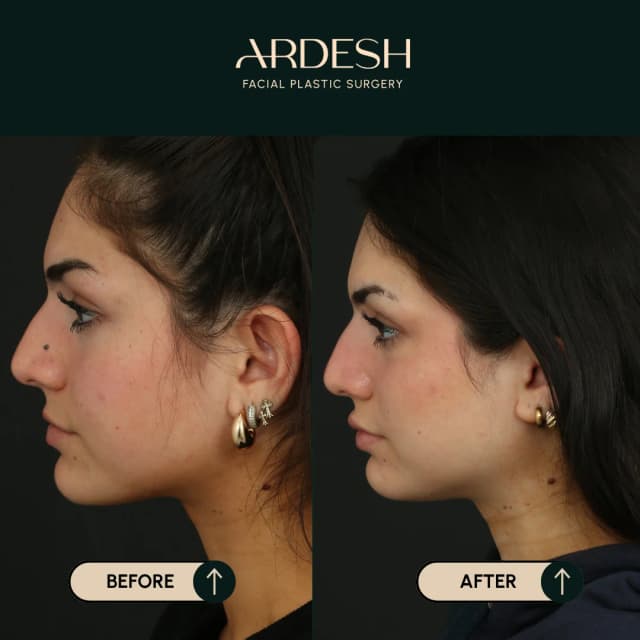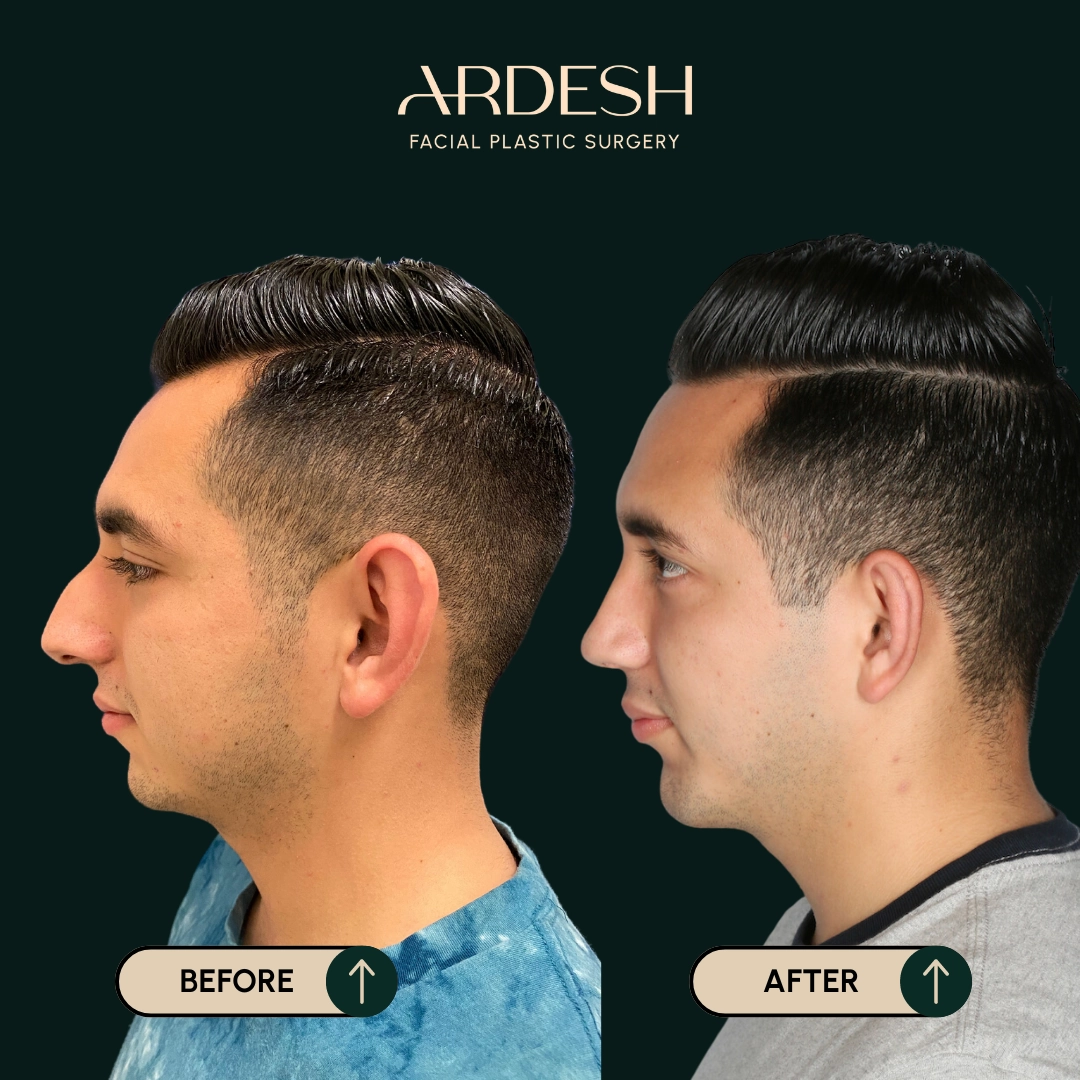
Ethnic rhinoplasty is a specialized approach to nasal surgery that considers the unique anatomical characteristics, skin quality, cartilage structure, and facial proportions associated with different ethnic backgrounds. And people searching for rhinoplasty in Beverly Hills usually arrive with a very specific fear. While the fundamental principles of rhinoplasty remain consistent, surgical planning may vary significantly depending on a patient's anatomy and aesthetic goals.
Historically, rhinoplasty techniques often emphasized reduction and standardization of nasal features. Modern rhinoplasty philosophy has evolved toward a more individualized approach that prioritizes facial harmony, structural preservation, functional integrity, and the maintenance of ethnic identity when desired by the patient.
For many individuals, the goal is not to create a different nose, but to achieve refinement while preserving the features that remain consistent with their overall facial appearance. Understanding how ethnic rhinoplasty differs from traditional rhinoplasty can help patients make more informed decisions when considering surgery.
About Dr. Ardesh
Dr. Ardesh of Beauty Mark MD is a double board-certified facial plastic and reconstructive surgeon known for delivering thousands of refined, natural outcomes. With an academic background that includes teaching in head and neck surgery, ophthalmology, and dermatology at Loma Linda University, he later transitioned into private practice to focus on patient-centred care. His philosophy emphasises subtle enhancement rather than obvious alteration, earning him recognition as a leading plastic surgeon in Beverly Hills and Newport Beach.
Ethnic rhinoplasty is not a completely separate surgery
This part gets misunderstood online.
Ethnic rhinoplasty still uses the same surgical foundations as traditional rhinoplasty:
- cartilage reshaping
- bridge modification
- structural grafting
- septal correction
- tip refinement
- breathing preservation
The difference is surgical strategy.
The procedure changes depending on:
- skin thickness
- cartilage strength
- nostril shape
- facial proportions
- healing patterns
- ethnic facial identity
That last part matters more than people think.
A nose does not exist in isolation. It sits between the cheeks, lips, forehead, and chin. A highly sculpted “Instagram nose” may look unnatural if it conflicts with the patient’s overall bone structure or skin characteristics.
That becomes especially important in rhinoplasty in Beverly Hills, where patients are often trying to achieve refinement without obvious cosmetic surgery signals.
Why skin thickness changes everything
Patients with thicker sebaceous skin usually heal differently than patients with thin skin.
The swelling lasts longer. Definition appears more gradually. Tip refinement can take months to settle properly.
This is one reason ethnic rhinoplasty often requires stronger structural support rather than aggressive cartilage removal.
According to research published in Facial Plastic Surgery Clinics of North America, thick-skinned rhinoplasty patients may benefit from structural grafting techniques because the soft tissue envelope places greater weight on the underlying nasal framework.
That sounds technical, but the real-world implication is simple:
over-reduction can backfire.
If the framework becomes too weak, the nose may lose definition during healing instead of gaining it.
Common anatomical differences surgeons evaluate
Not every patient falls neatly into one category, especially in Los Angeles where mixed ethnic backgrounds are common. Still, there are patterns surgeons often assess during consultation.
| Anatomical Factor | Common Consideration in Ethnic Rhinoplasty |
|---|---|
| Thick skin | Longer swelling timeline and softer visible definition |
| Weak lower cartilage | May require grafting for long-term tip support |
| Low nasal bridge | Sometimes addressed with augmentation techniques |
| Wide nostrils | Alar base refinement may be discussed carefully |
| Strong dorsal hump | Conservative reduction may preserve facial character |
The important thing here is restraint.
Patients usually look better when surgeons preserve proportion instead of chasing dramatic reduction.
Breathing function should stay part of the conversation
For patients whose concerns extend beyond appearance alone, functional evaluation may play an important role in surgical planning. Our article, "I Breathe Through My Mouth Because of My Nose - Can Rhinoplasty Actually Fix That?", explains how structural nasal issues can affect airflow and when functional rhinoplasty may be recommended alongside aesthetic refinement.
One thing social media has distorted a bit is the idea that rhinoplasty is purely cosmetic.
Functional issues matter too.
Some patients already have:
- septal deviation
- valve collapse
- chronic nasal obstruction
- prior trauma
- breathing asymmetry
And aggressive cosmetic changes can sometimes worsen airflow if structural support is weakened too much.
The American Academy of Otolaryngology notes that preservation of the internal nasal valve is critical in maintaining healthy airflow after rhinoplasty. That area is narrow to begin with, and over-narrowing can create long-term breathing complaints.
This is partly why revision rhinoplasty exists.
A patient may initially focus on appearance, then realize months later that breathing changed too.
Good surgical planning tries to balance both.
Social media noses rarely age naturally
This is probably the part patients do not hear enough.
Extremely sculpted rhinoplasty results can look sharp in photos immediately after swelling resolves. That does not always mean they age well over 10 or 15 years.
Over-resection of cartilage may eventually lead to:
- pinching
- collapse
- asymmetry
- visible contour irregularities
- breathing compromise
Modern rhinoplasty has shifted more toward preservation techniques partly because surgeons saw what happened long term with overly aggressive reduction procedures performed decades ago.
Subtle surgery often ages better.
Not flashy. Just stable.
Ethnic rhinoplasty vs standard rhinoplasty: Quick comparison
| Standard Rhinoplasty | Ethnic Rhinoplasty |
|---|---|
| Historically reduction-focused | More preservation-focused |
| Often aims for narrower contours | Maintains ethnic facial harmony |
| May prioritize smaller appearance | Prioritizes proportion and identity |
| Traditional aesthetic templates | More anatomy-specific planning |
| Can involve aggressive refinement | Usually favors structural balance |
That does not mean one is “better.”
Some patients genuinely want dramatic refinement. Others want barely noticeable changes. The right approach depends on anatomy, expectations, and surgical judgment.
Recovery expectations need to be realistic
One of the biggest mistakes patients make is expecting final results too early.
Recovery after rhinoplasty tends to happen in phases:
- bruising improves first
- swelling gradually decreases
- tip definition evolves slowly
- scar tissue settles over time
Patients with thicker skin often need more patience. Sometimes a lot more patience.
Age-related factors can also influence healing characteristics, tissue quality, and long-term surgical planning. Our article, "Rhinoplasty at 25 vs 45: How Age Changes What's Possible and What to Expect," explores how rhinoplasty considerations may differ across different stages of adulthood.
That does not mean the surgery failed. It simply means soft tissue healing moves at its own pace.
That timeline surprises many people.
Recovery patterns can vary significantly based on factors such as skin thickness, surgical technique, and individual healing characteristics. Patients interested in understanding the postoperative healing process in greater detail can read "What Nobody Tells You About Rhinoplasty Recovery - A Week-by-Week Breakdown."
How Is the Appropriate Rhinoplasty Approach Determined?
The most appropriate surgical approach depends on a comprehensive assessment of nasal anatomy, skin characteristics, functional concerns, facial proportions, and the patient's aesthetic objectives.
Some patients are excellent candidates for traditional rhinoplasty techniques. Others benefit from a more preservation-oriented ethnic rhinoplasty approach that accounts for skin thickness, cartilage support, and facial identity.
The important part is finding a surgeon who understands that natural-looking outcomes usually require restraint, not maximal change.
Dr. Ardesh’s procedures are approached with an emphasis on individualized planning and balanced facial aesthetics rather than one-size-fits-all cosmetic trends. Patients exploring rhinoplasty in Beverly Hills often want refinement that still feels recognizable in the mirror, which is a very different goal from chasing dramatic transformation.
Discover The Molectomy™ Method by Beauty Mark MD™
The Molectomy™ Method by Beauty Mark MD™ is our signature approach to cosmetic mole removal and beauty mark refinement. Designed to prioritize natural-looking results, scar minimization, advanced healing, and facial harmony, it offers a refined solution for patients seeking comprehensive facial enhancement.
FAQ’s
1. What is the difference between ethnic rhinoplasty and standard rhinoplasty?
Ethnic rhinoplasty uses the same surgical principles as standard rhinoplasty but places greater emphasis on preserving ethnic facial characteristics, skin considerations, cartilage structure, and overall facial harmony. The goal is often refinement rather than dramatic alteration.
2. Does ethnic rhinoplasty change my ethnic appearance?
Not necessarily. Modern ethnic rhinoplasty is typically designed to enhance balance and proportion while maintaining features that reflect a patient's ethnic identity. Surgical goals are customized based on individual preferences and facial anatomy.
3. Who is a candidate for ethnic rhinoplasty?
Patients from diverse ethnic backgrounds who want to improve the appearance or function of their nose while preserving natural facial characteristics may be candidates. A consultation helps determine the most appropriate surgical approach for each individual.
4. Is recovery different after ethnic rhinoplasty?
Recovery timelines can vary depending on factors such as skin thickness, surgical technique, and individual healing patterns. Patients with thicker skin may experience swelling for a longer period and may see final definition develop more gradually.
5. Can ethnic rhinoplasty improve breathing problems?
Yes. If structural issues such as a deviated septum, nasal valve collapse, or previous nasal trauma are present, functional corrections can often be incorporated into the procedure to improve airflow while also addressing aesthetic concerns.